
















Independent Sports Science Research
Independent Research. Measurable Results.
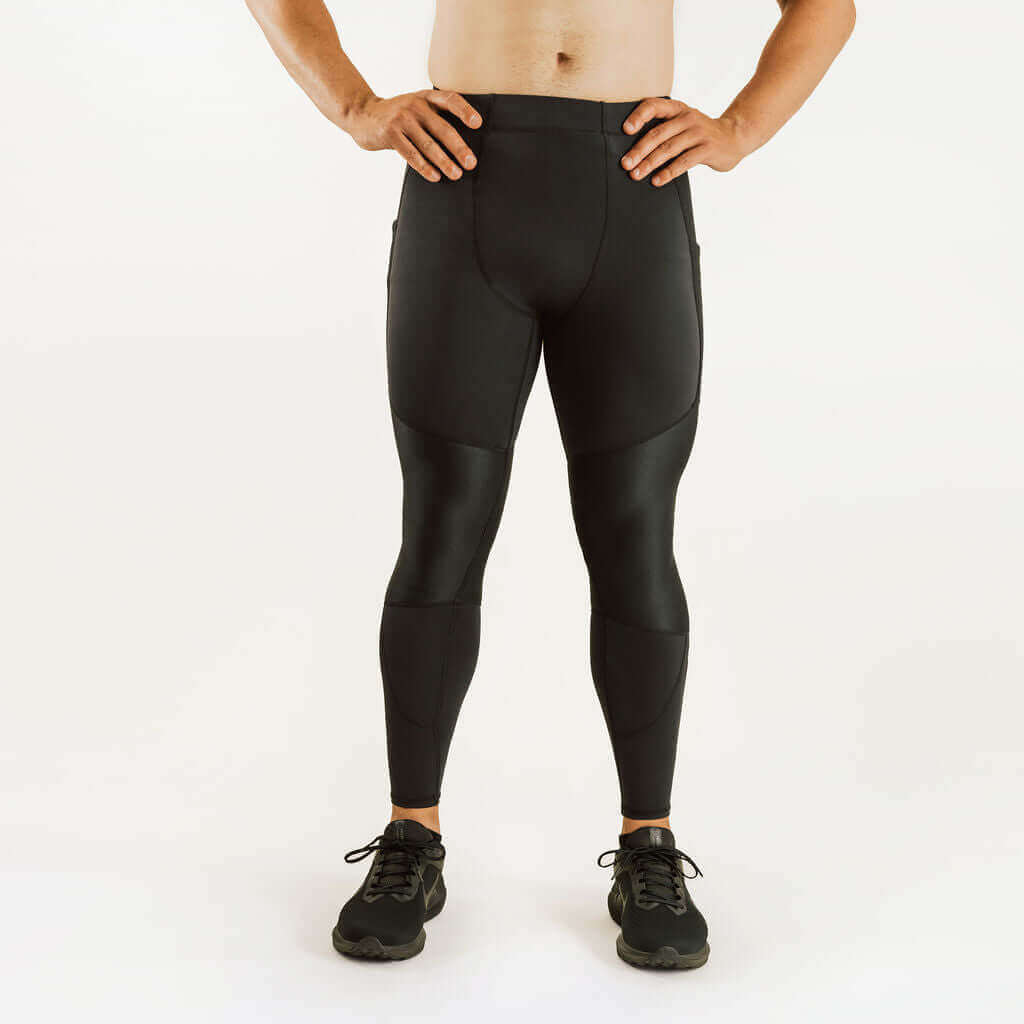
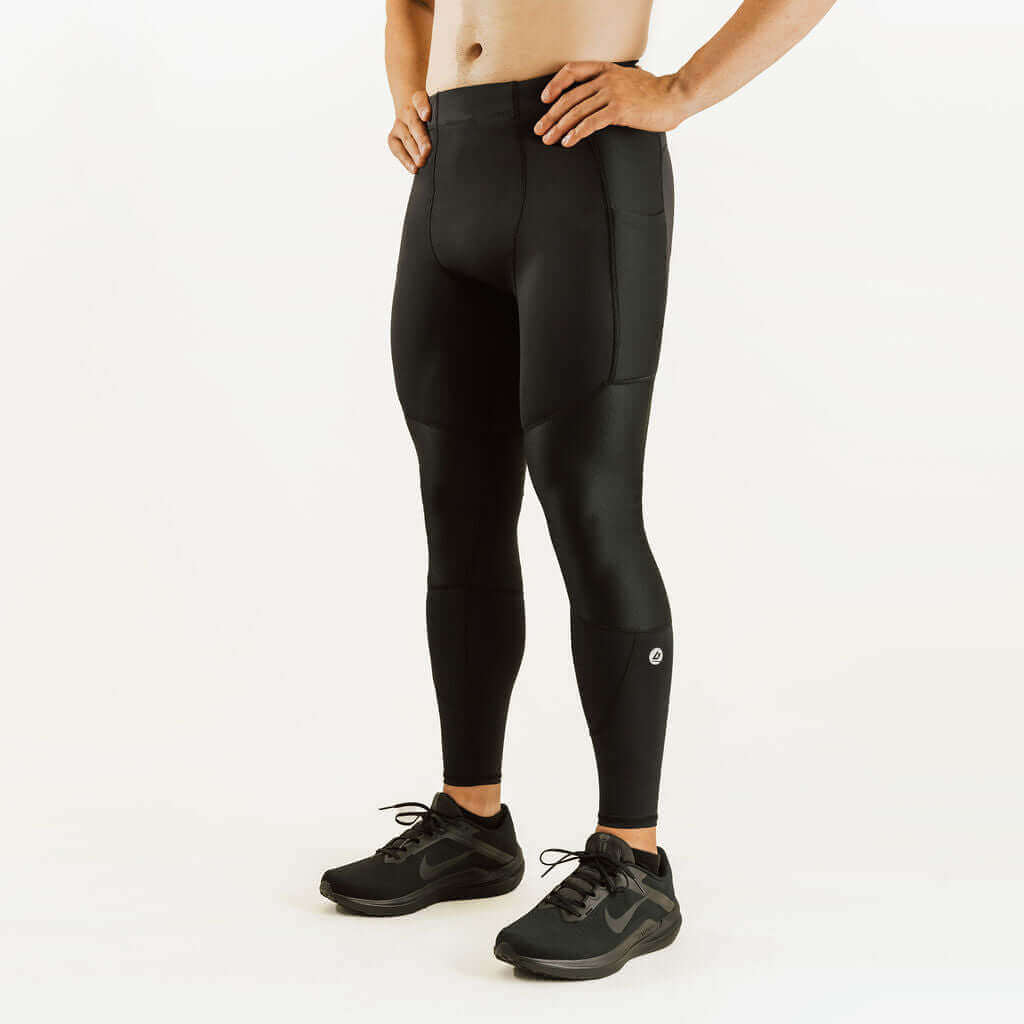
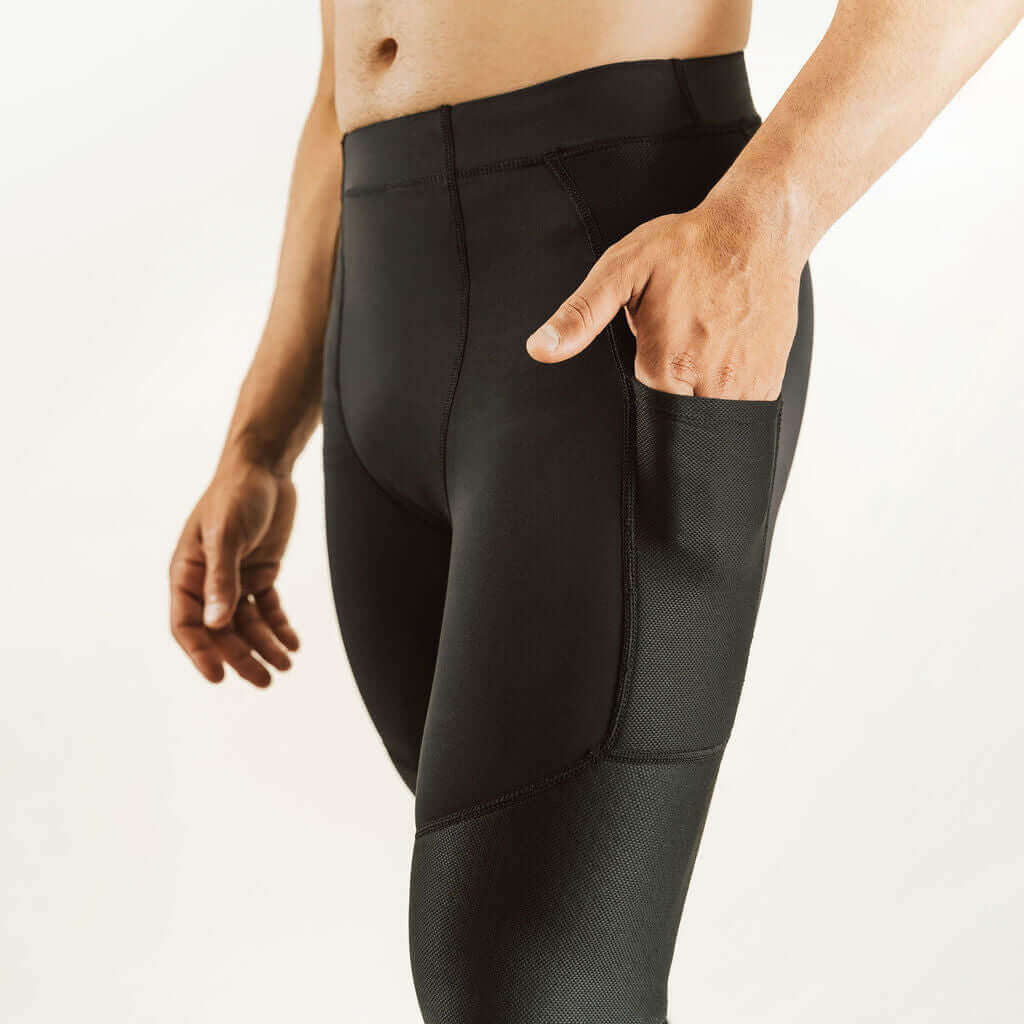
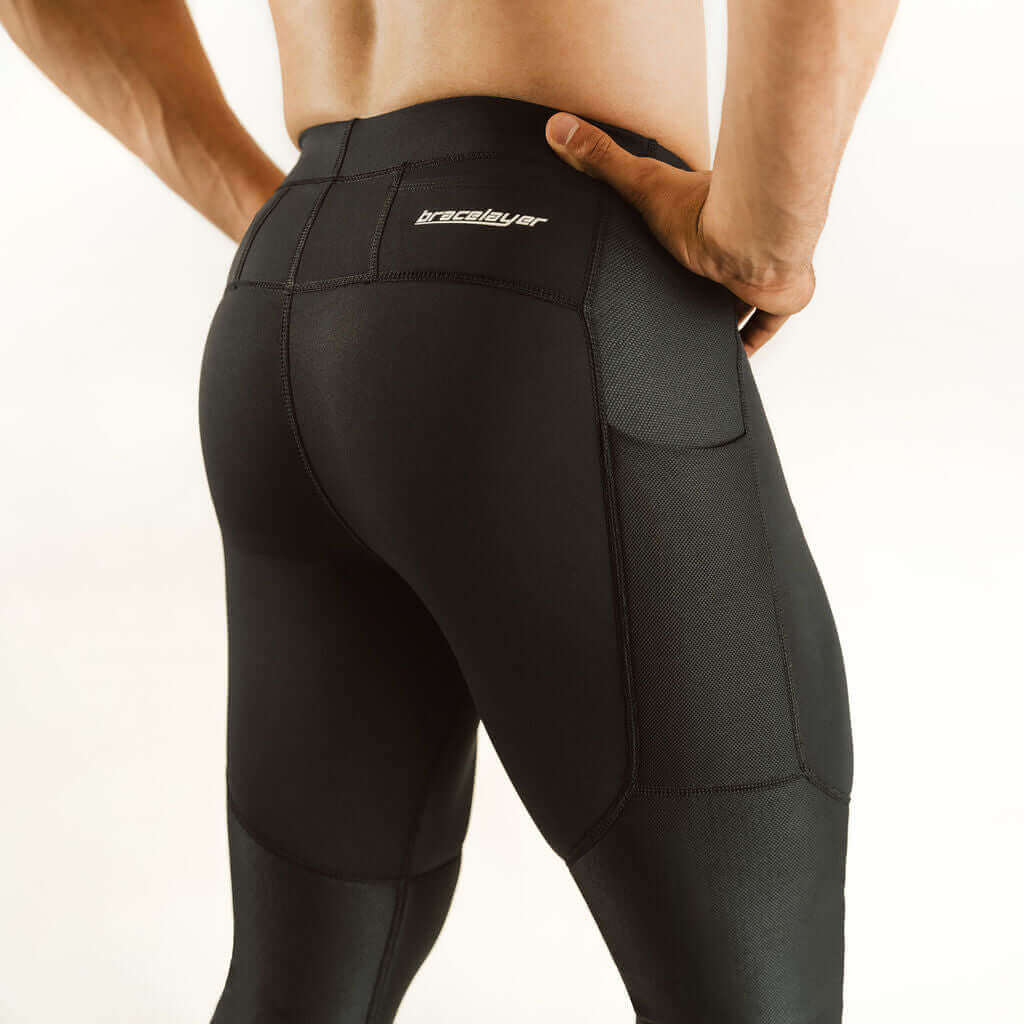
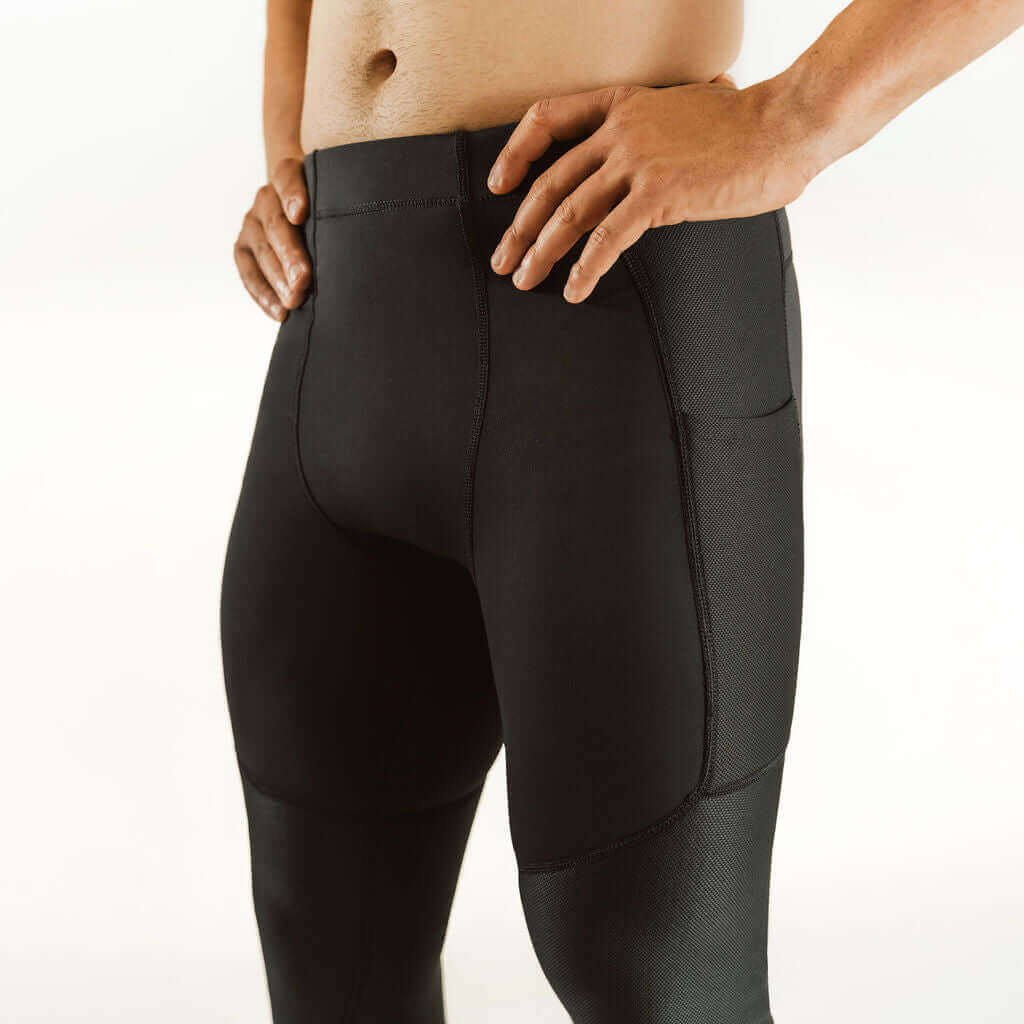
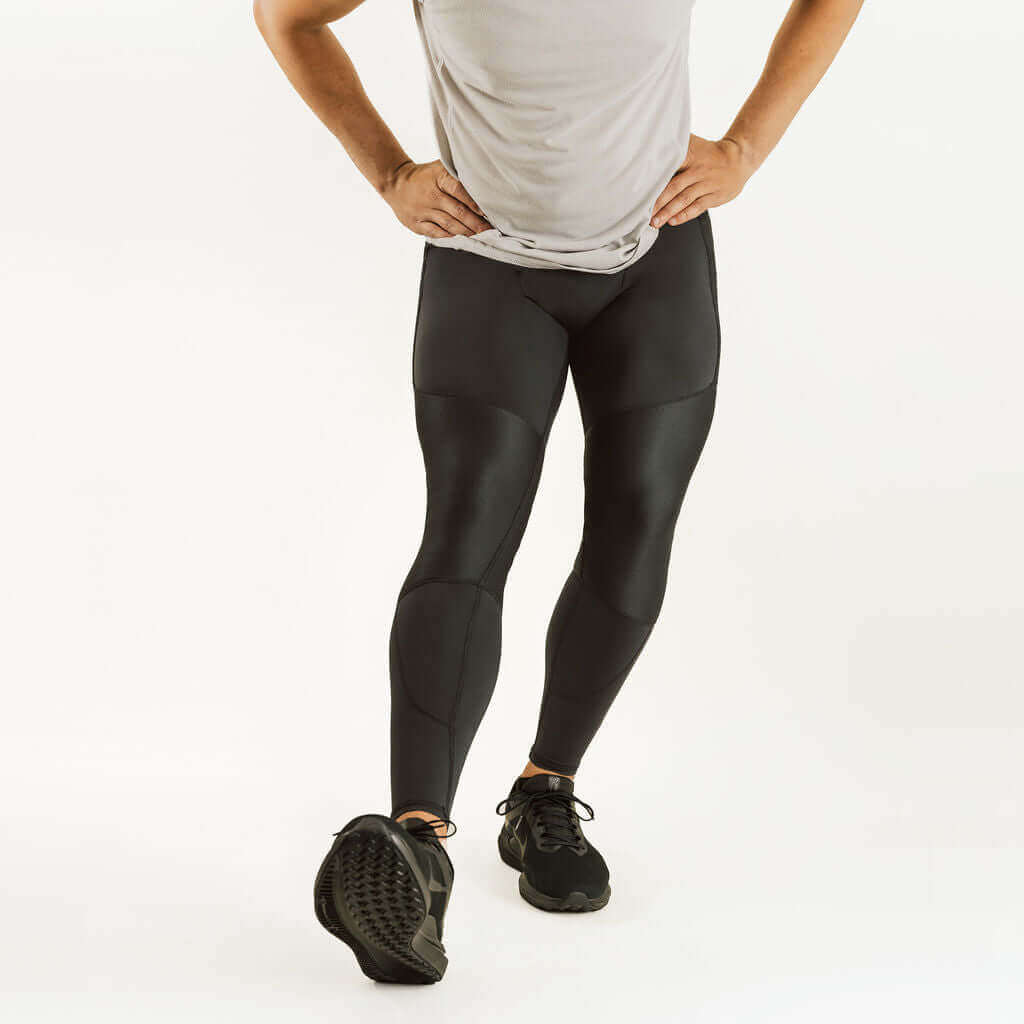
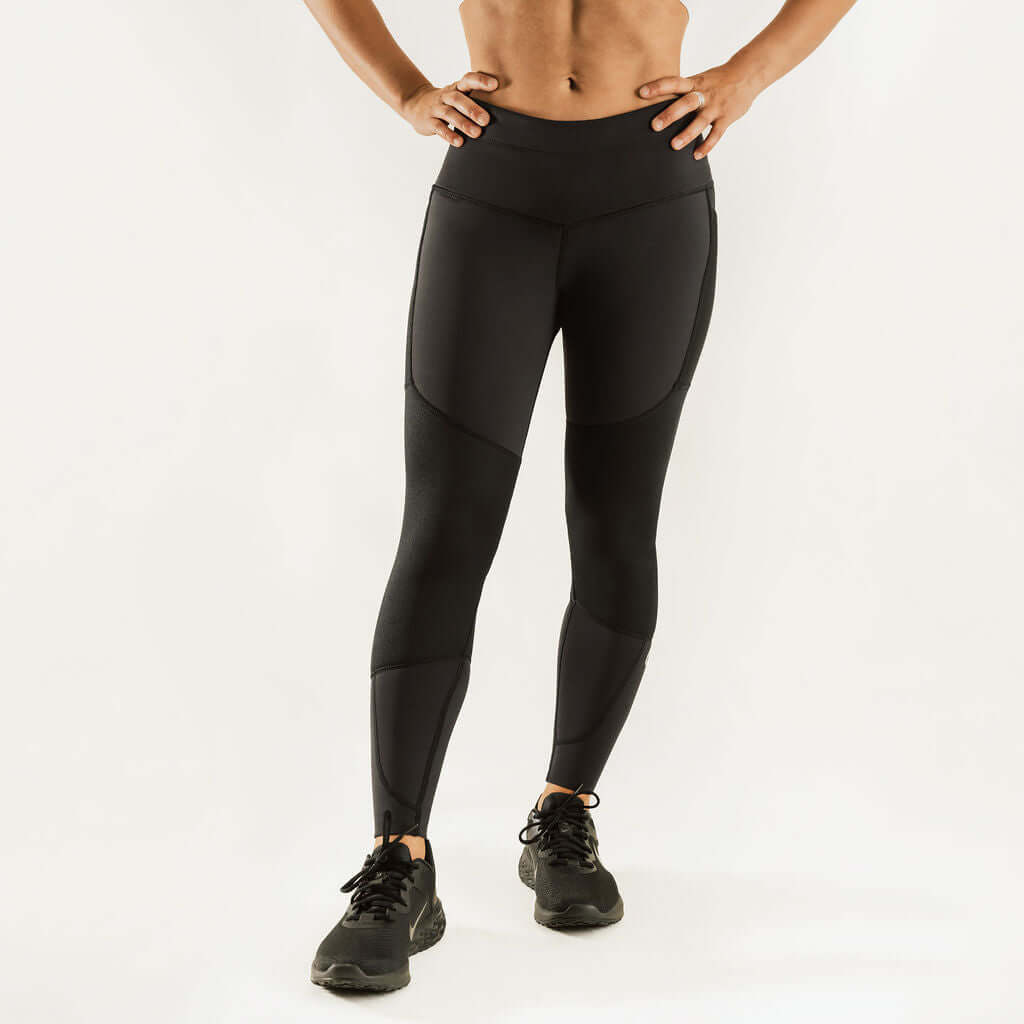
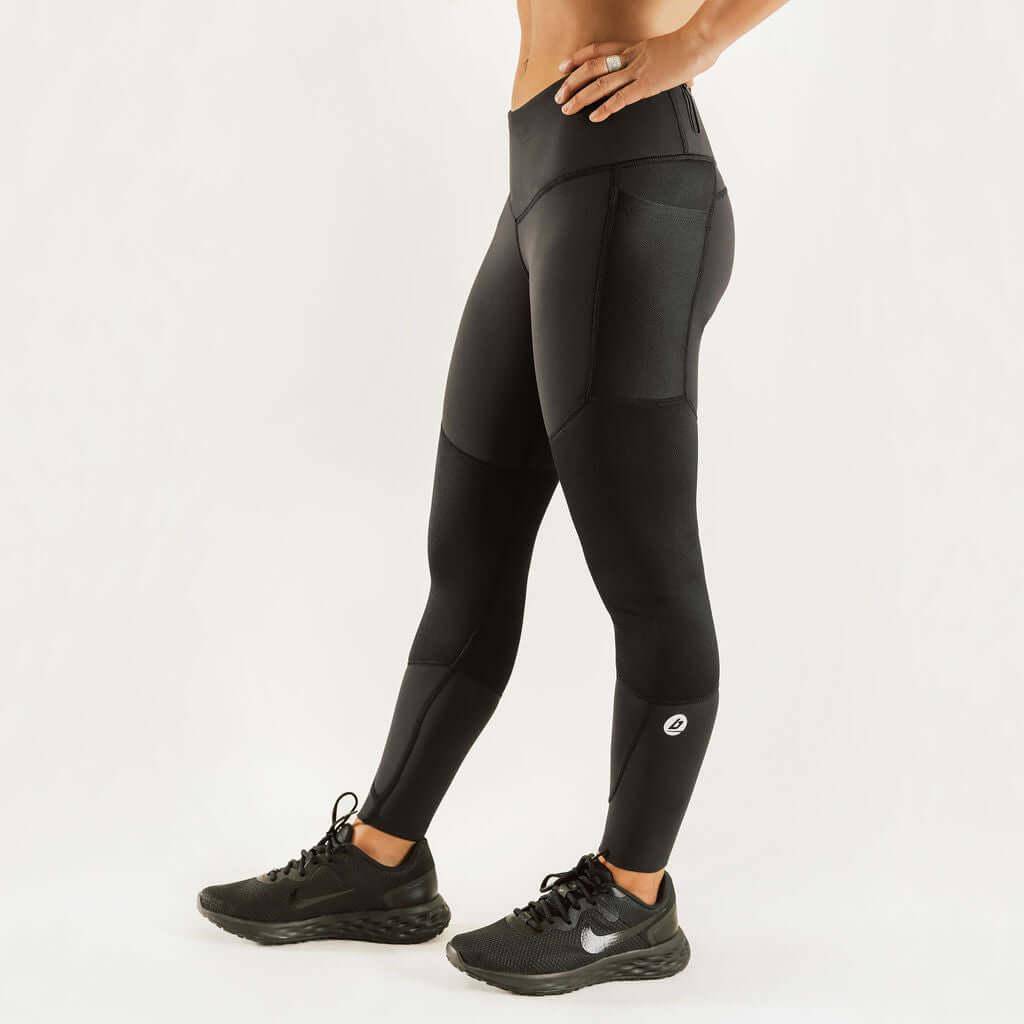
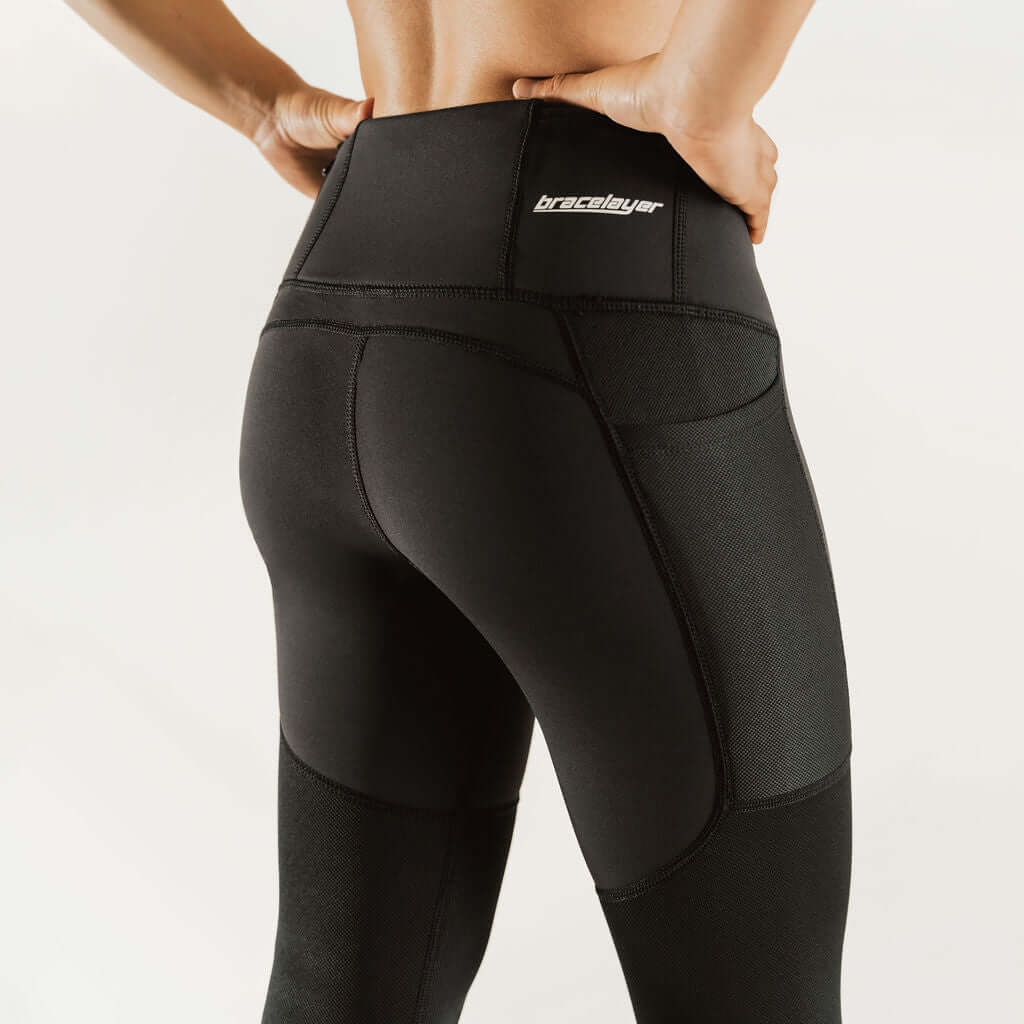
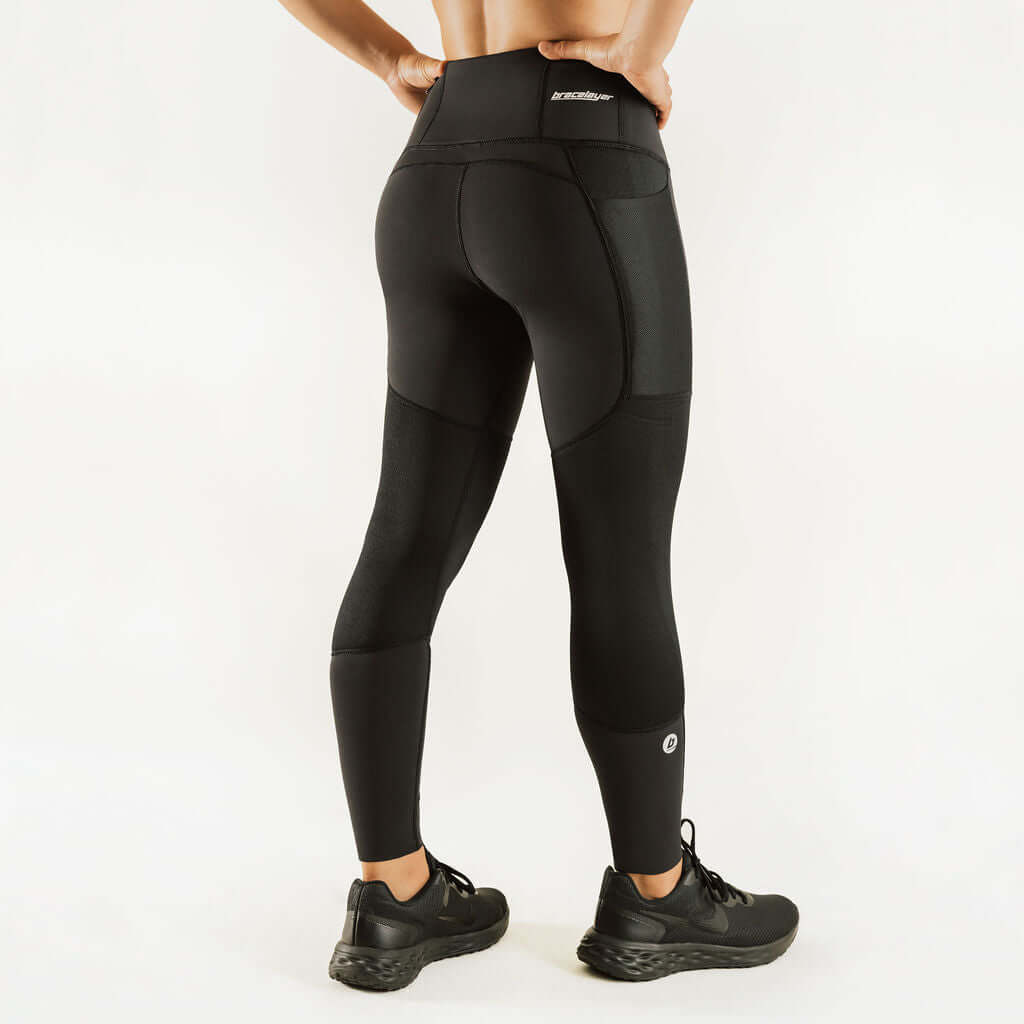
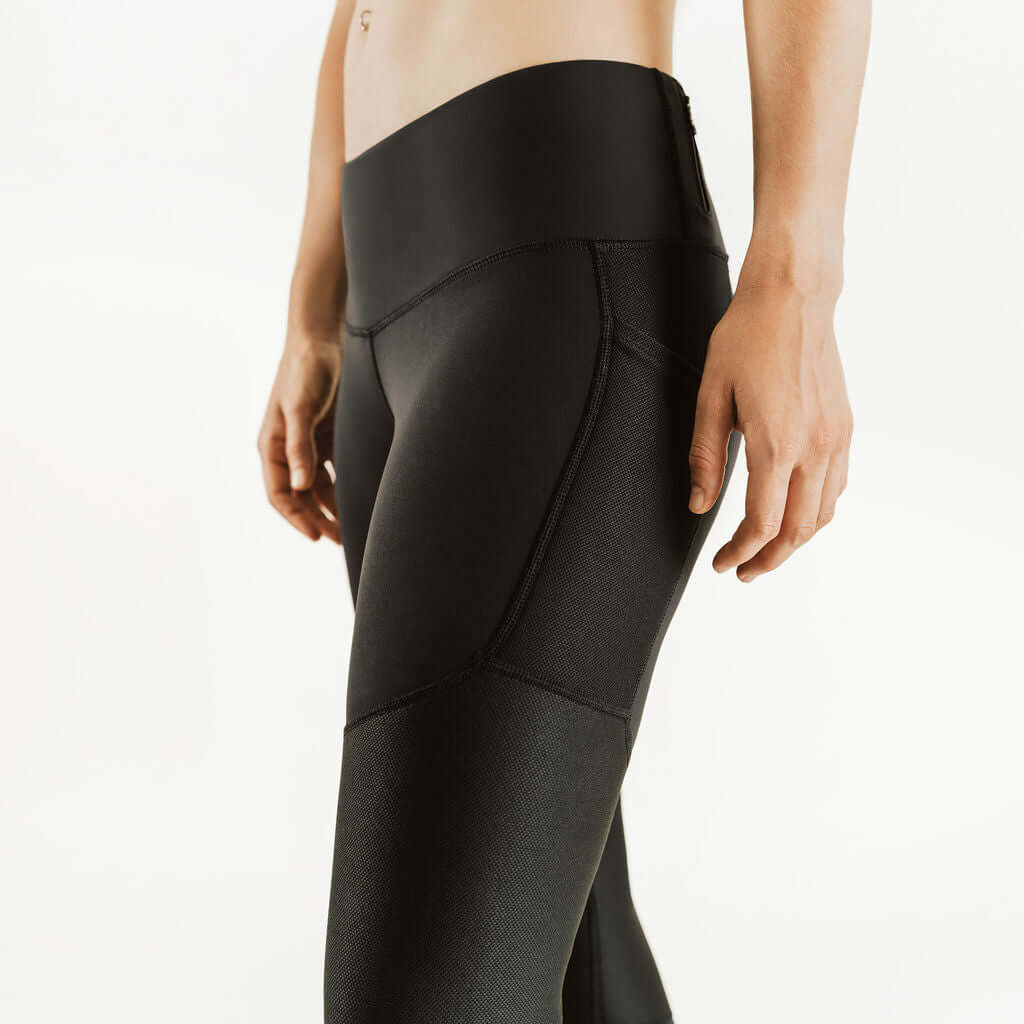
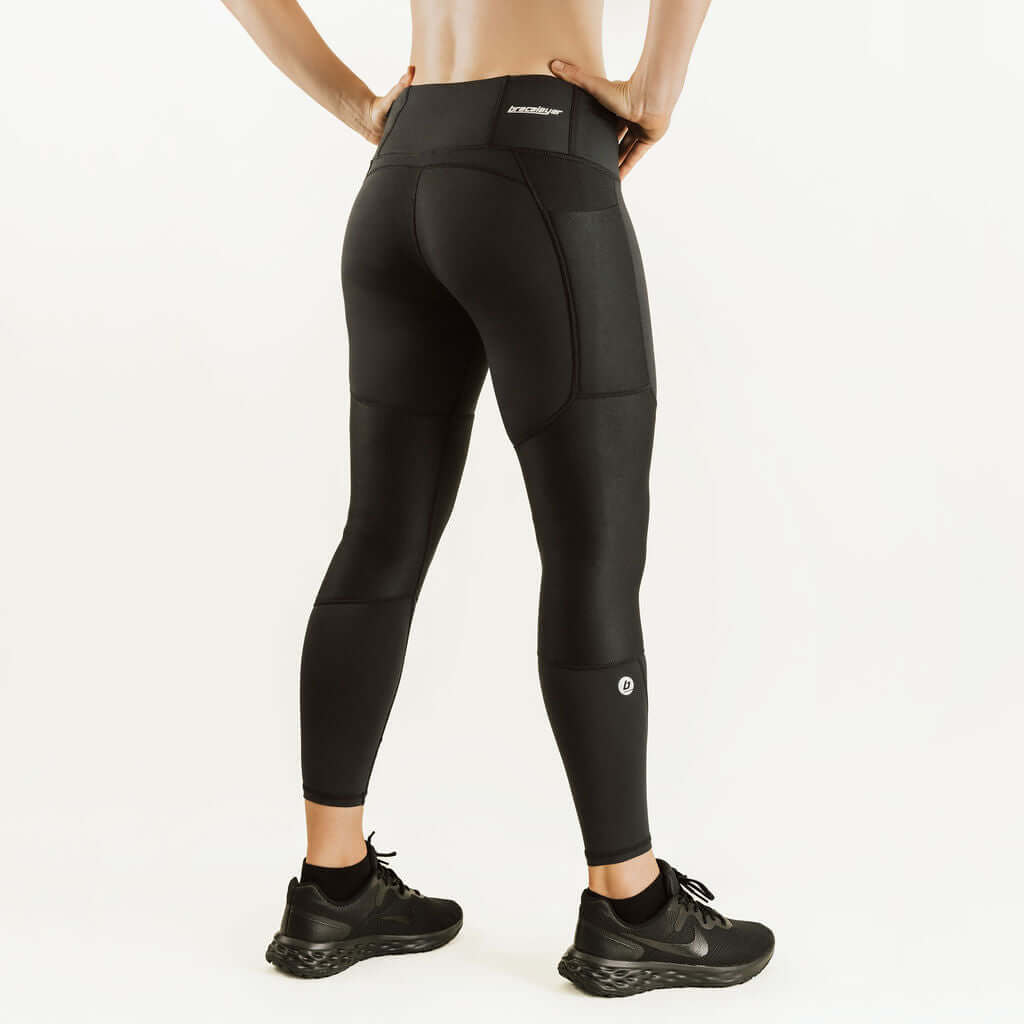
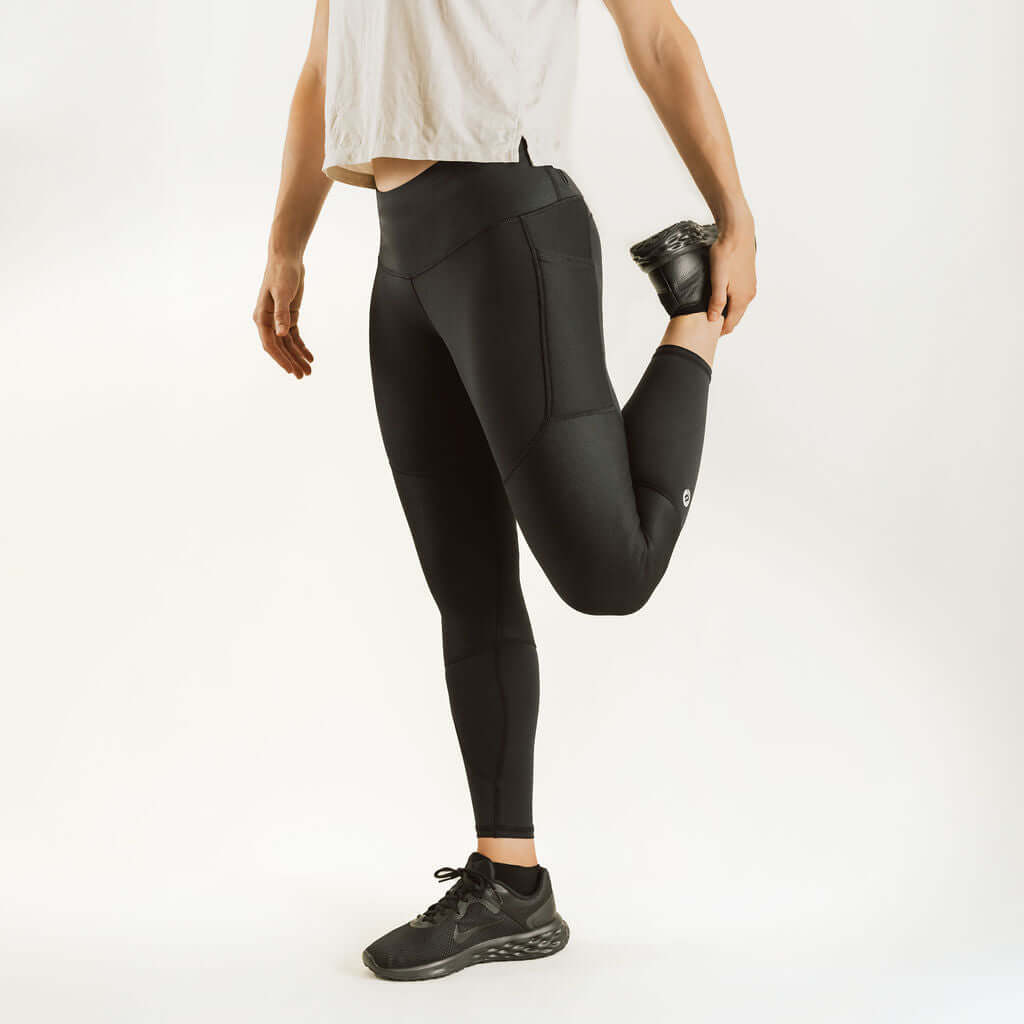
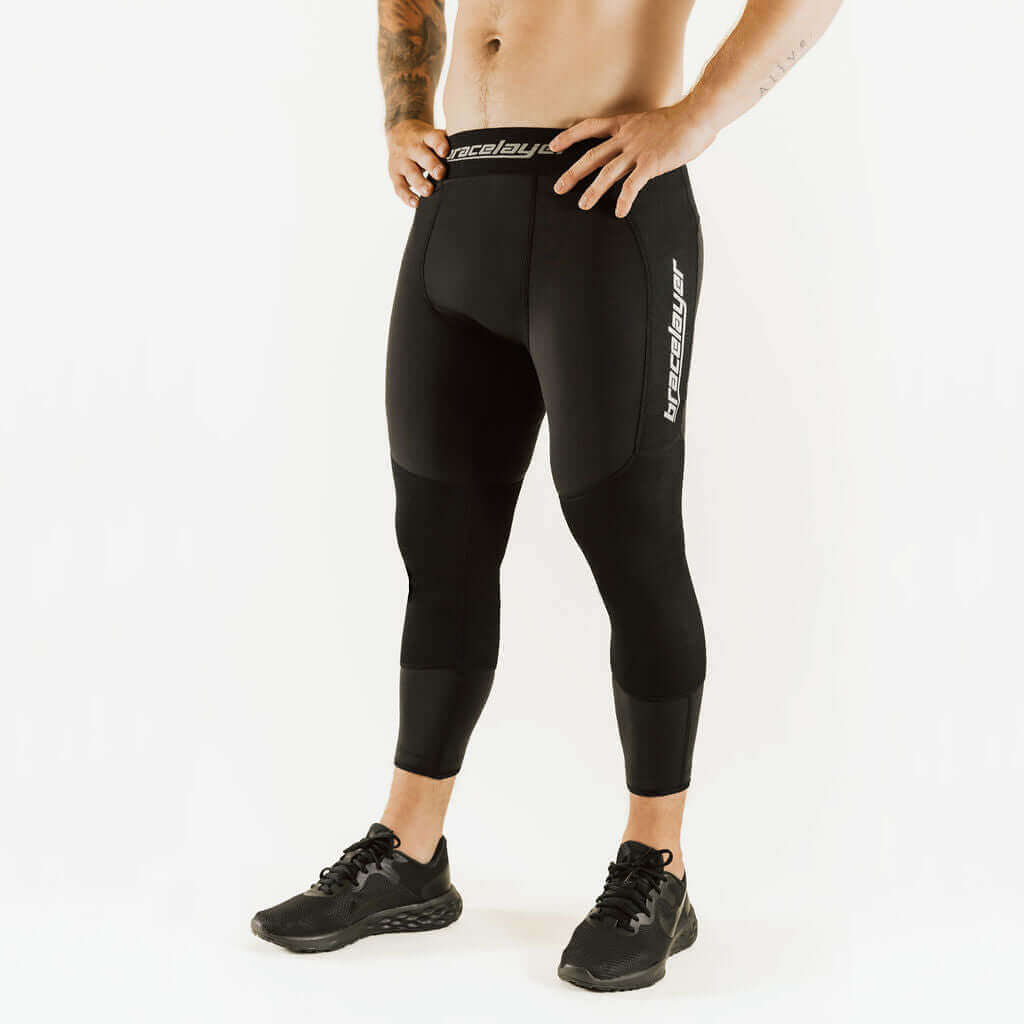
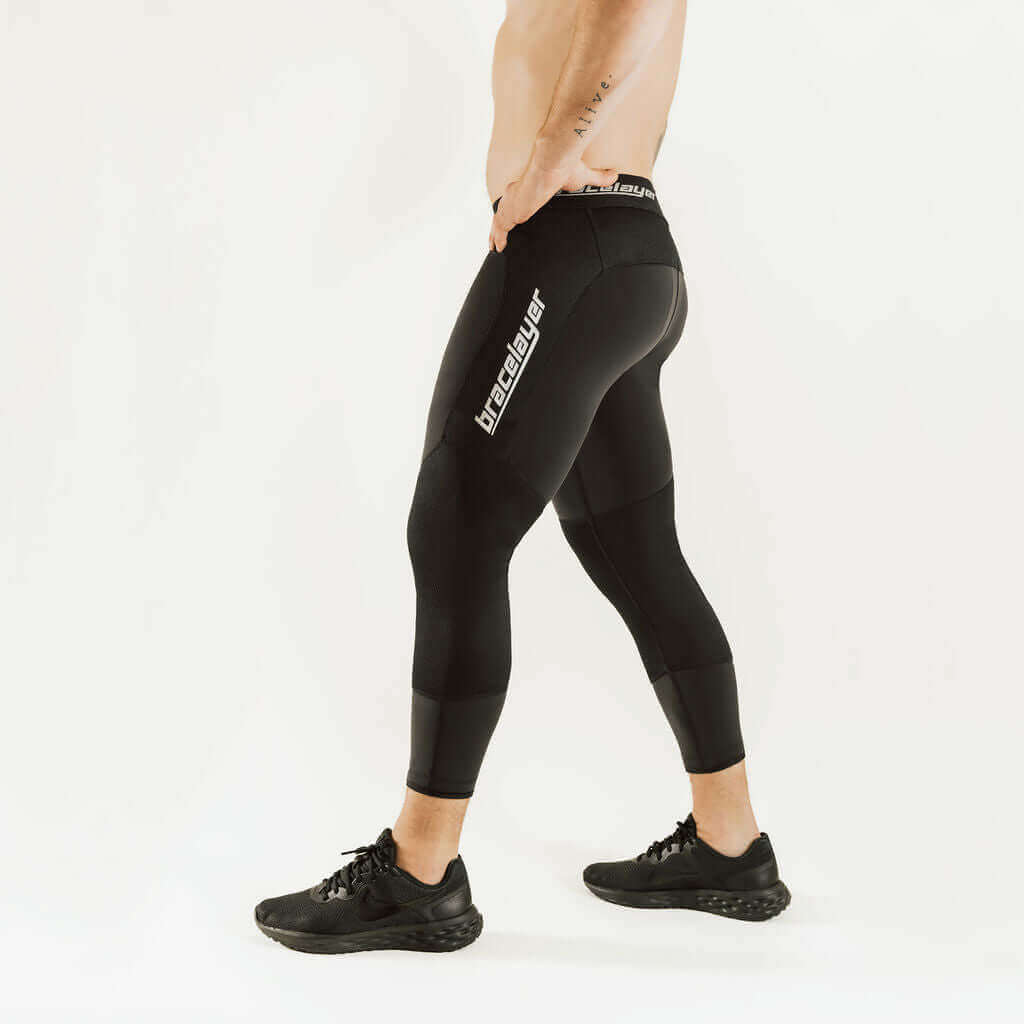
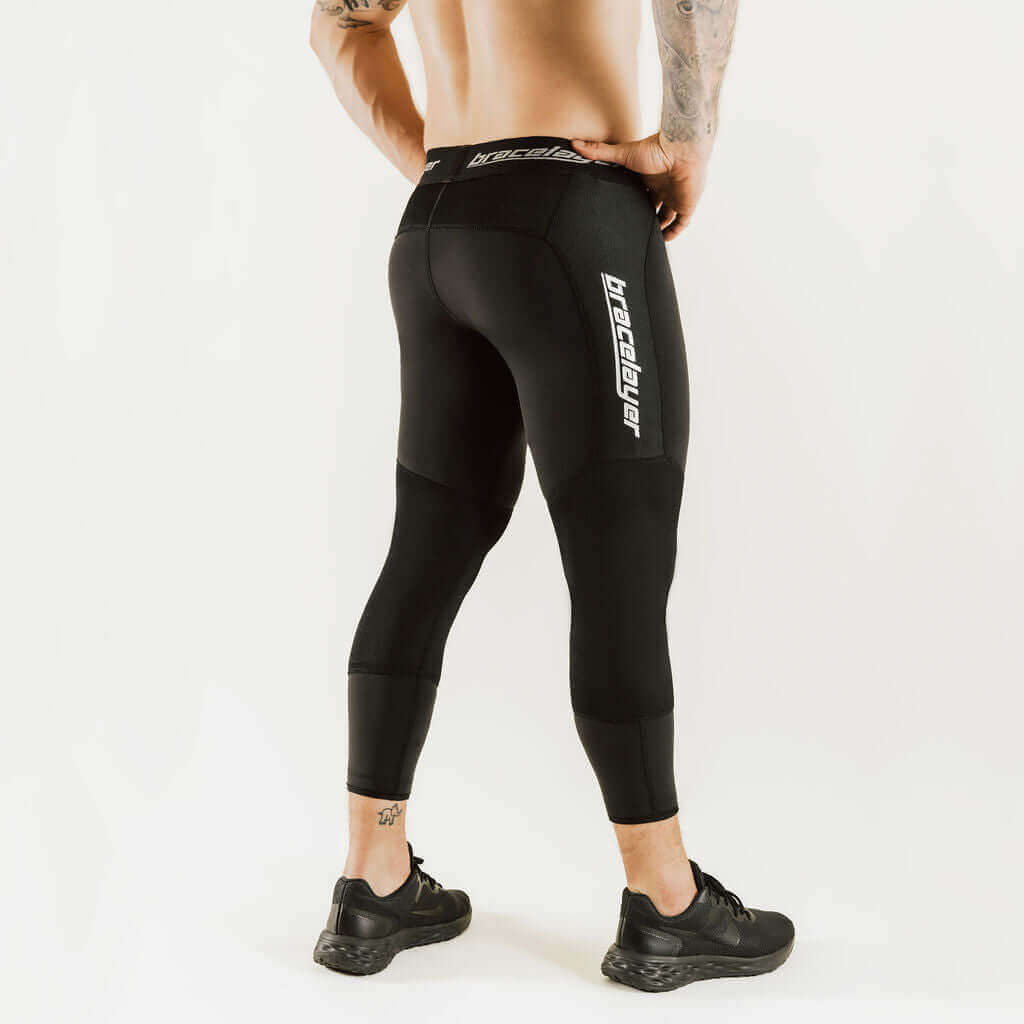
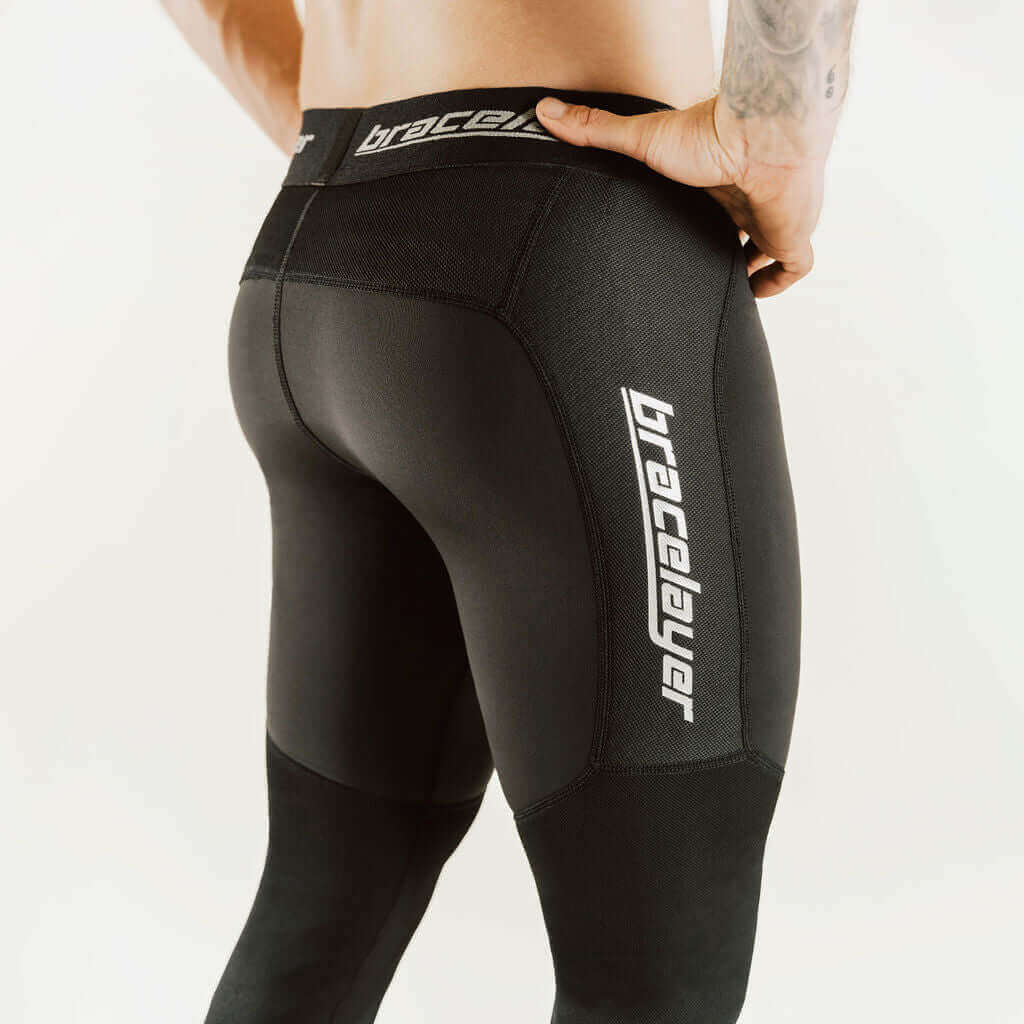
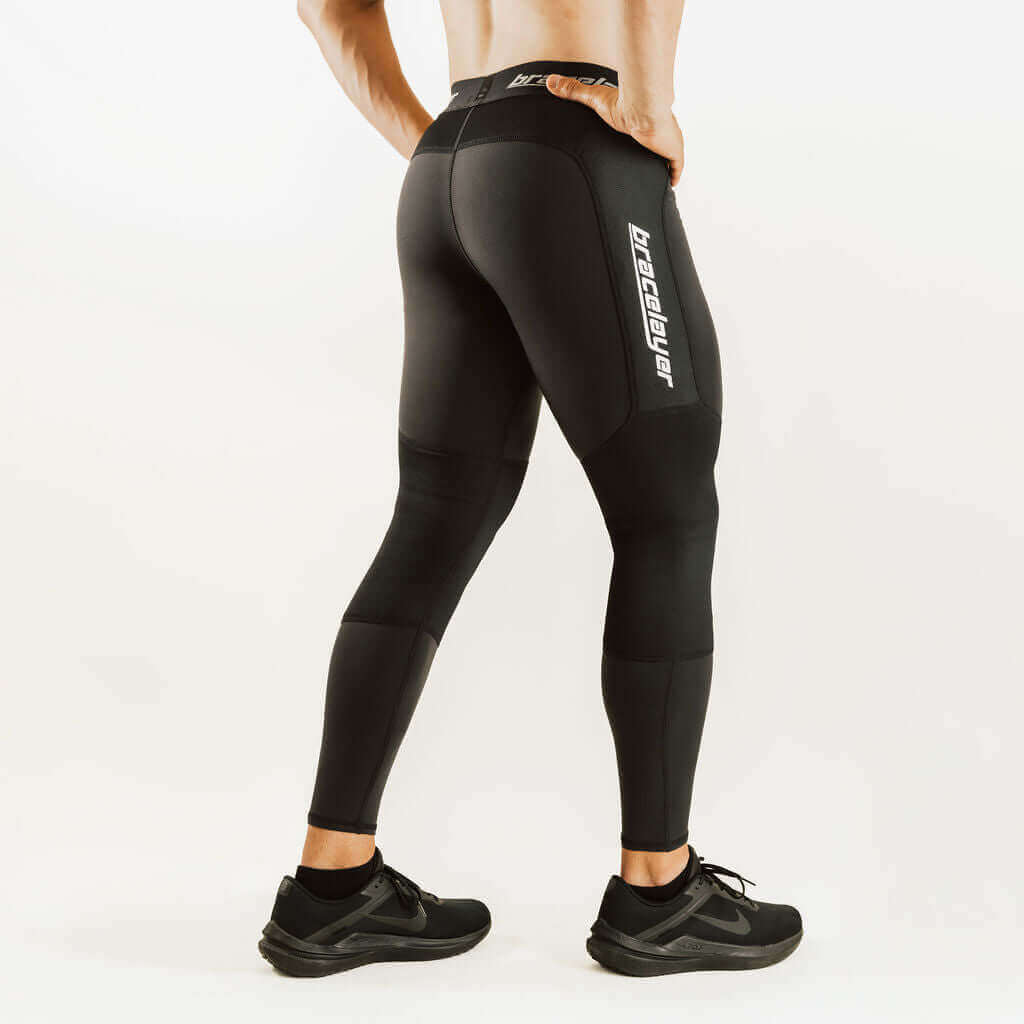
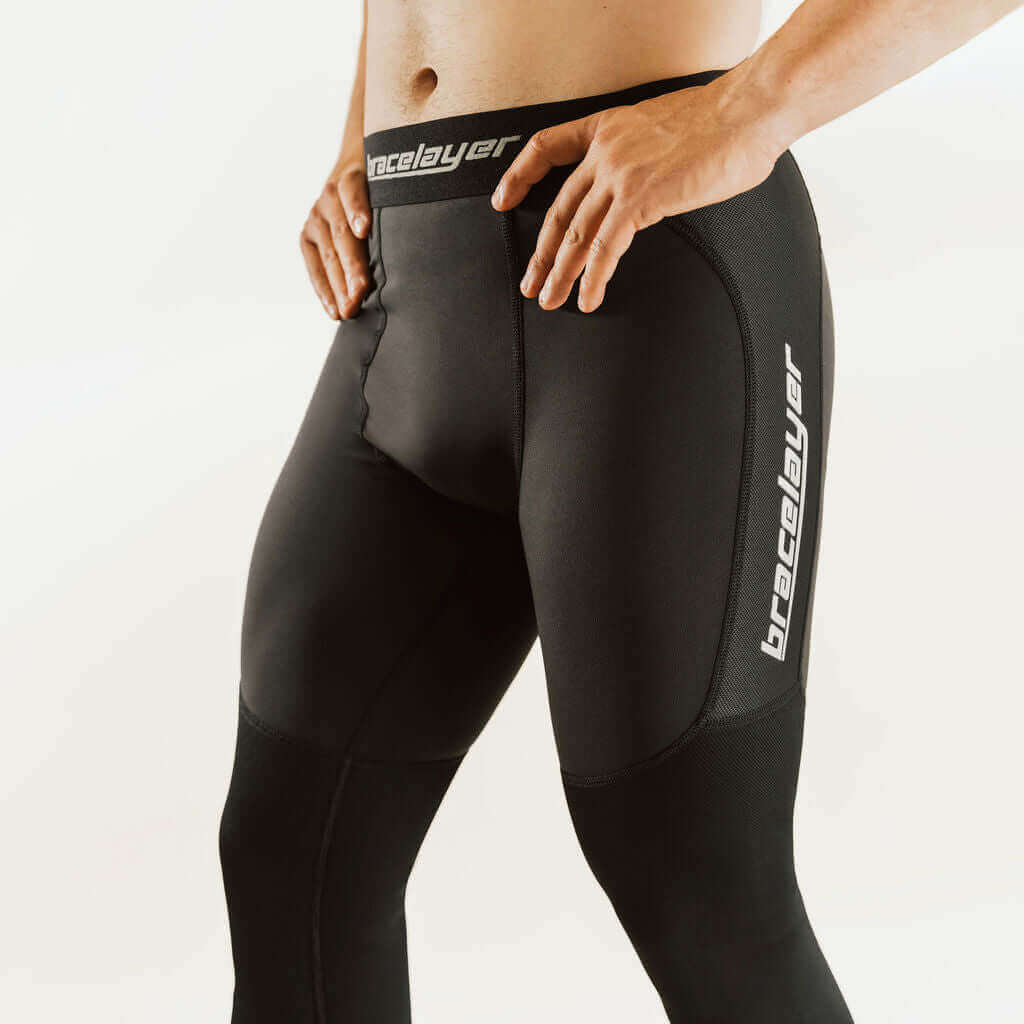
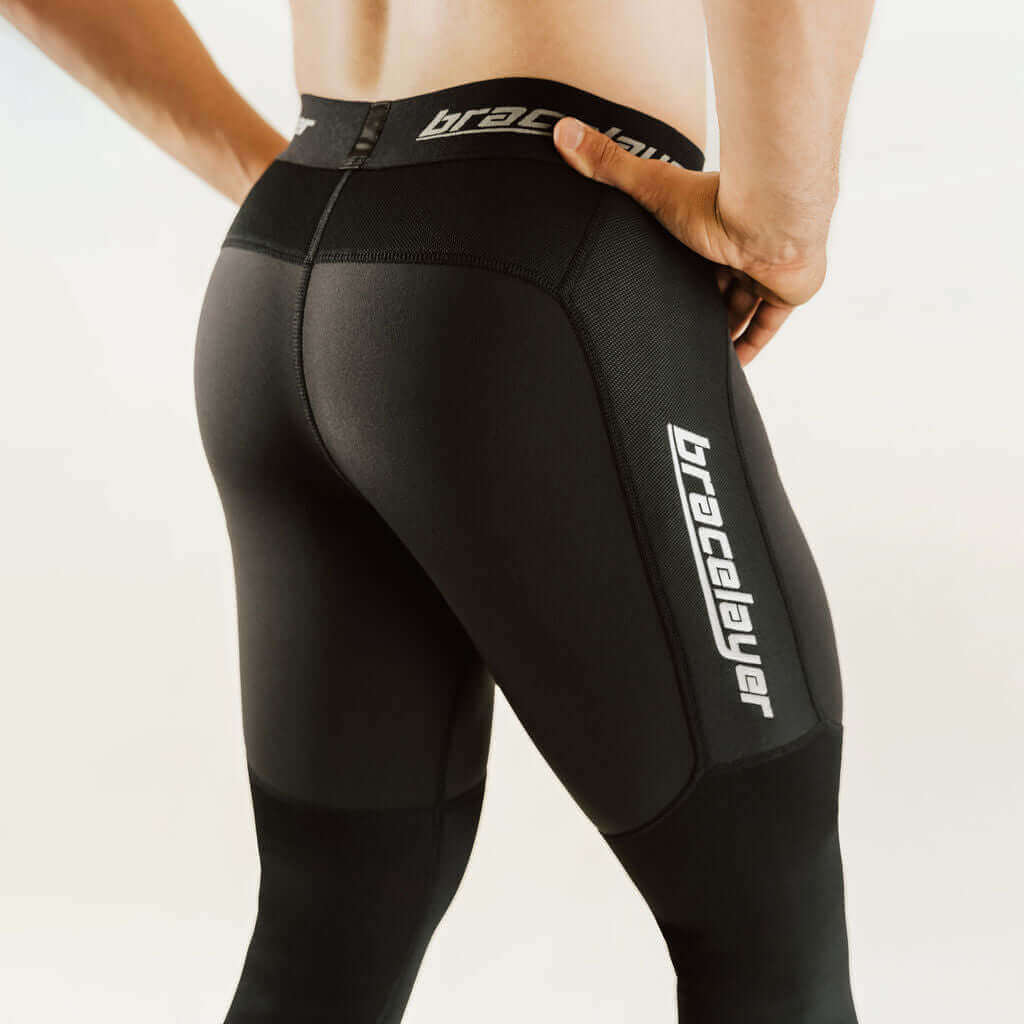
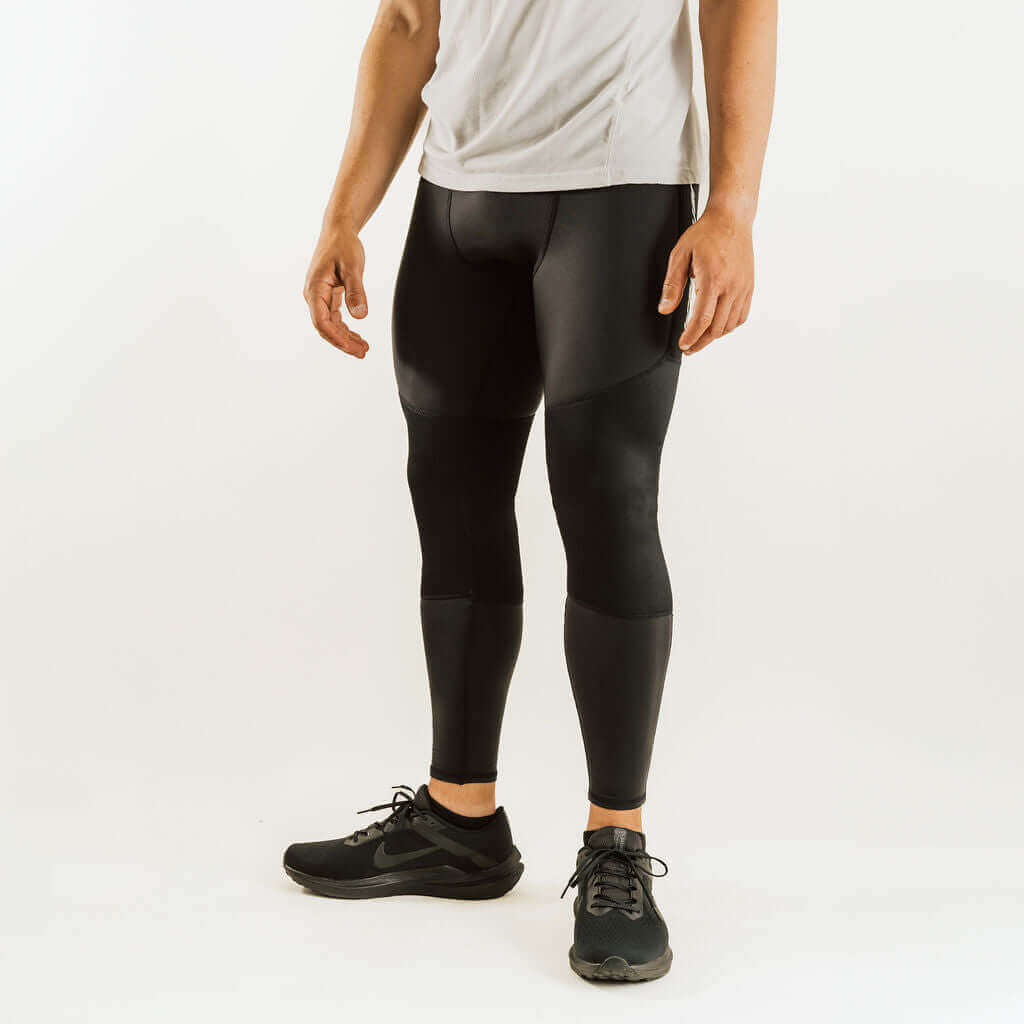
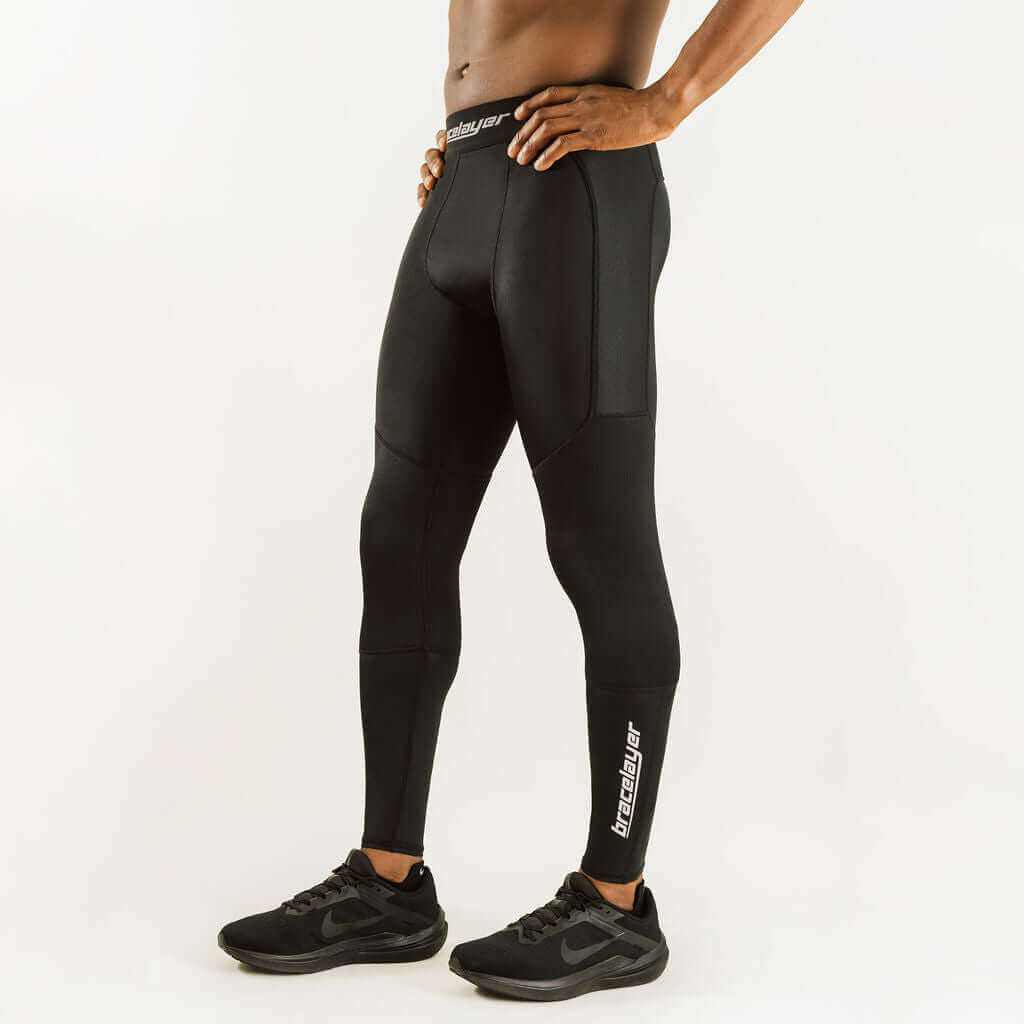
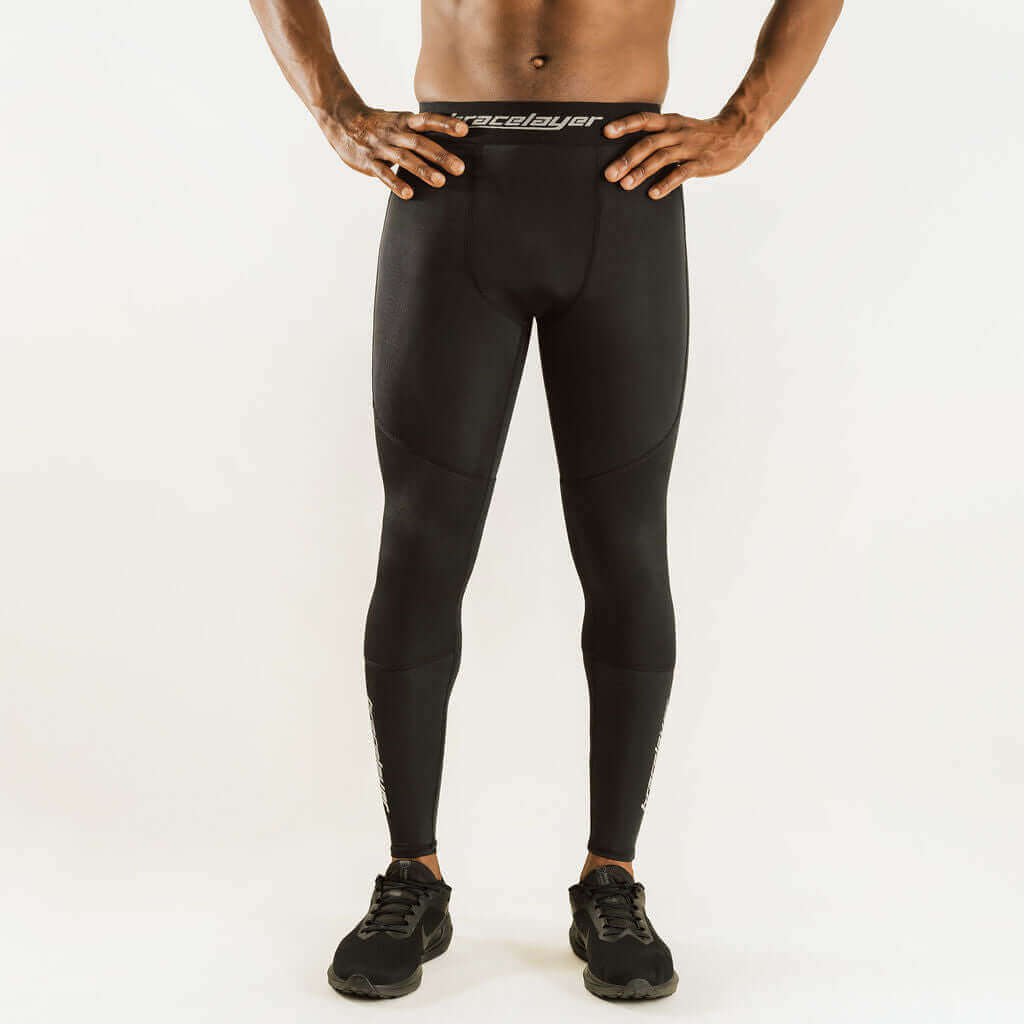
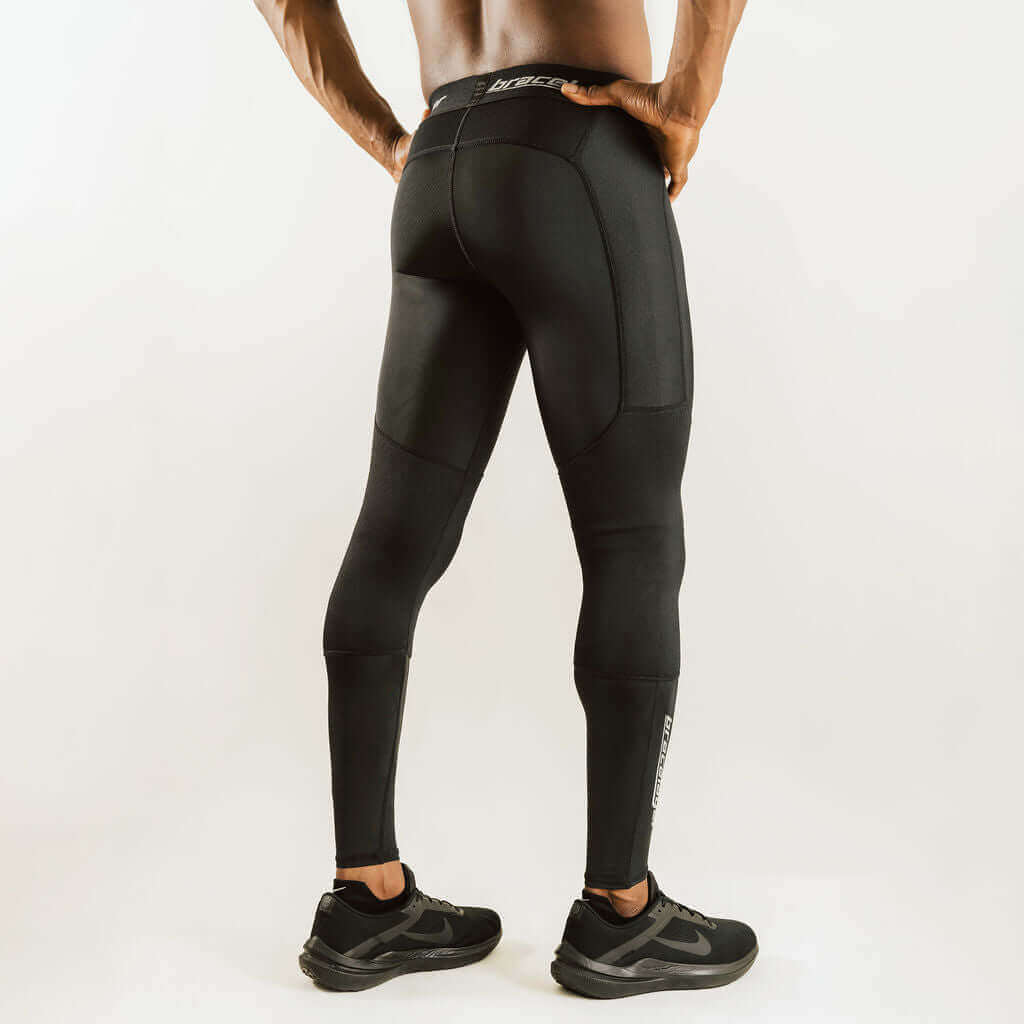
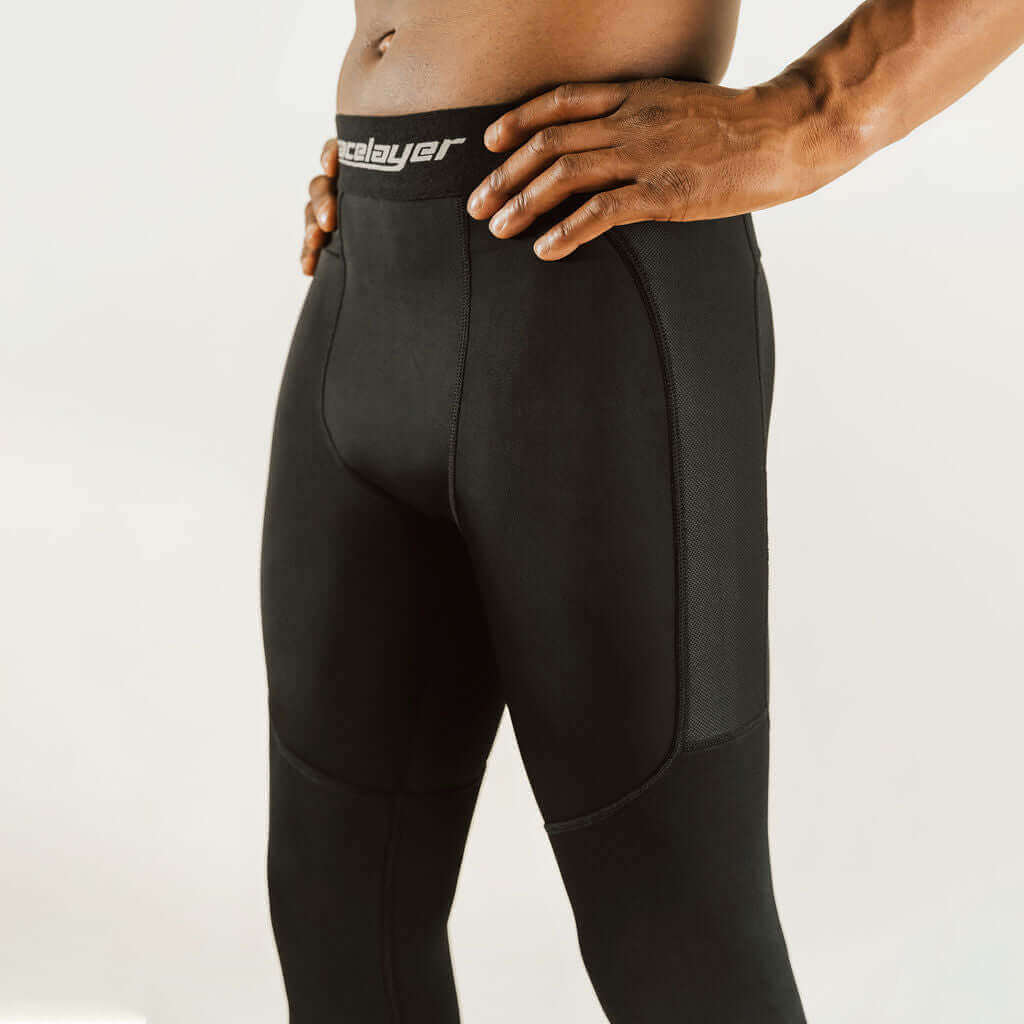
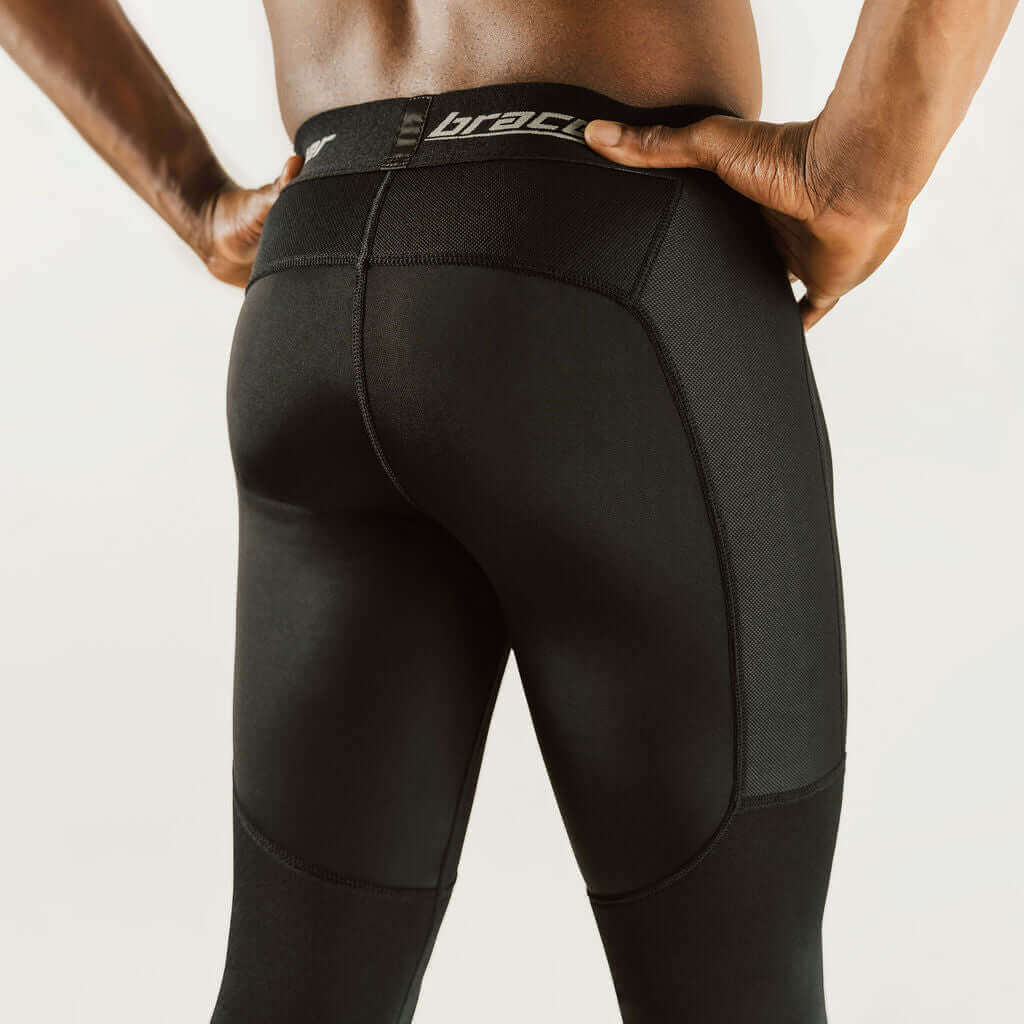
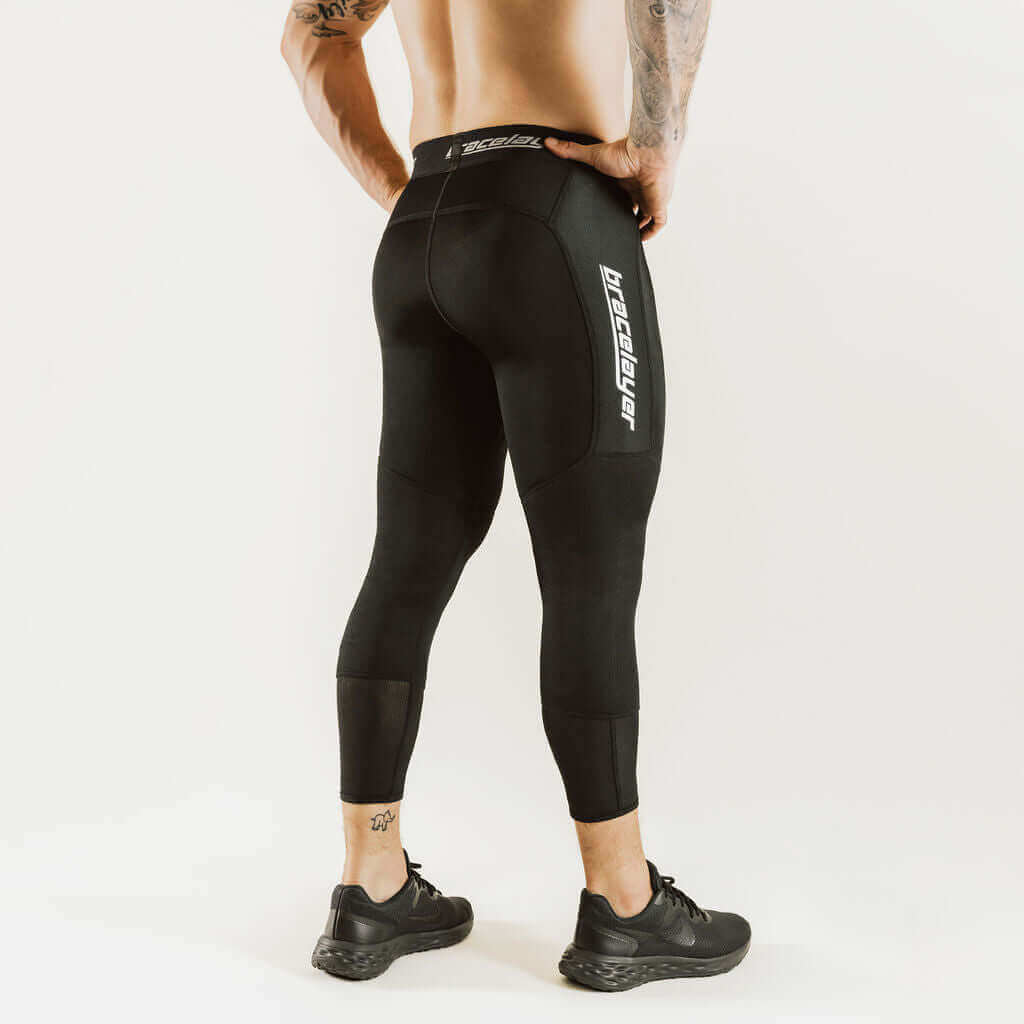
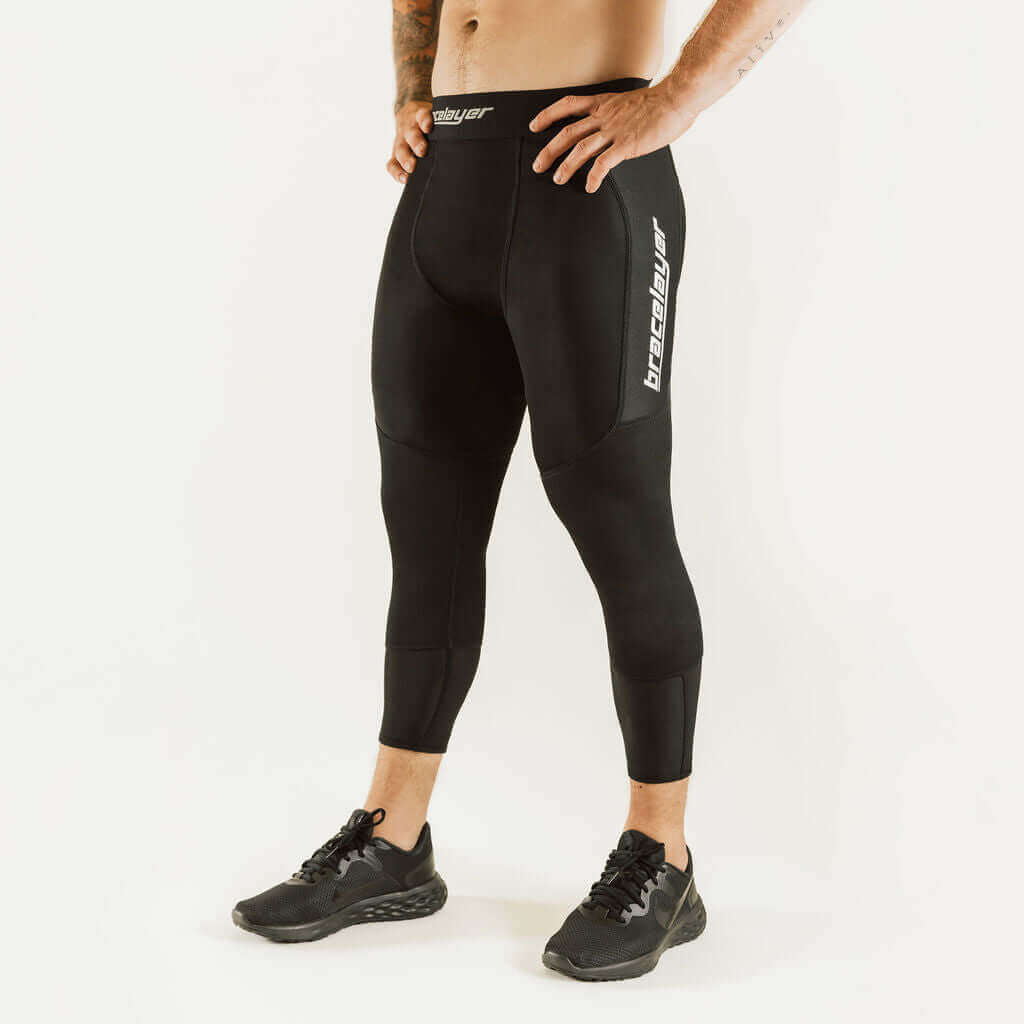
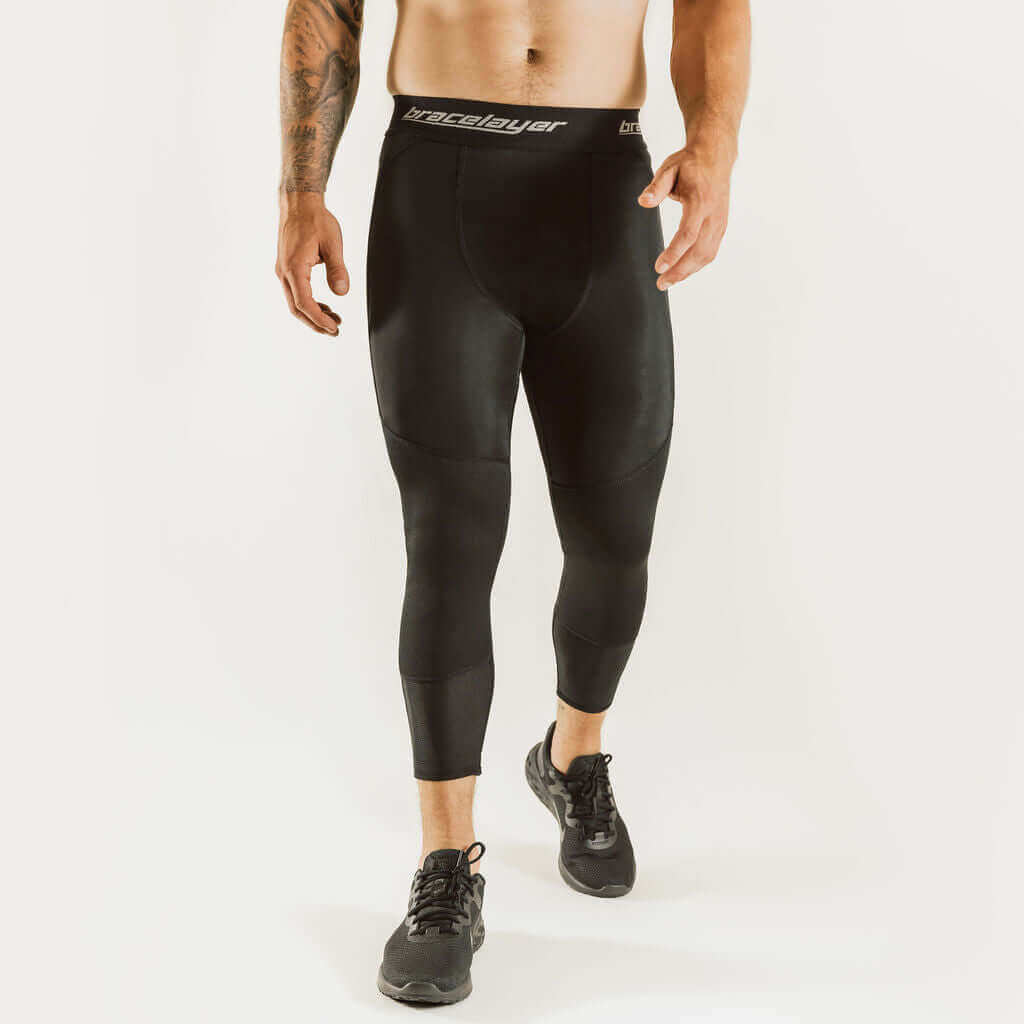
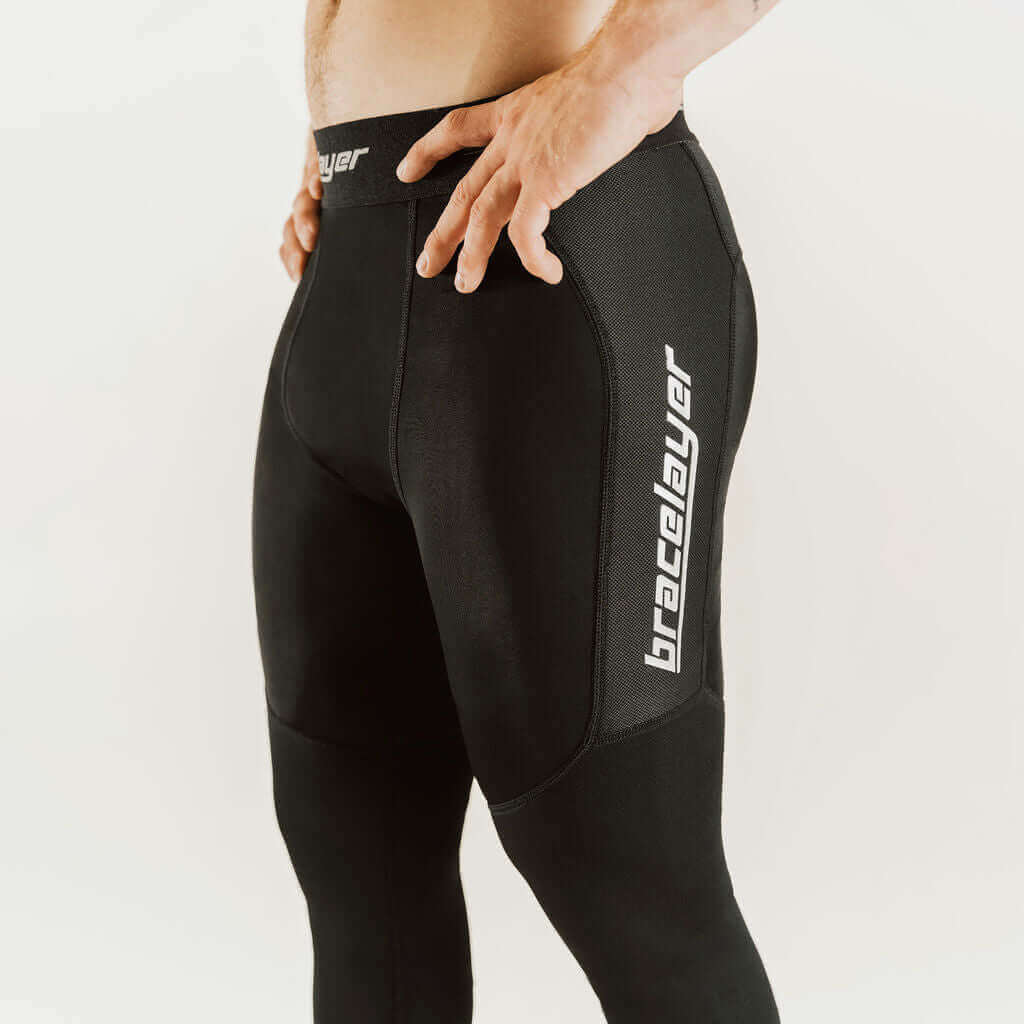
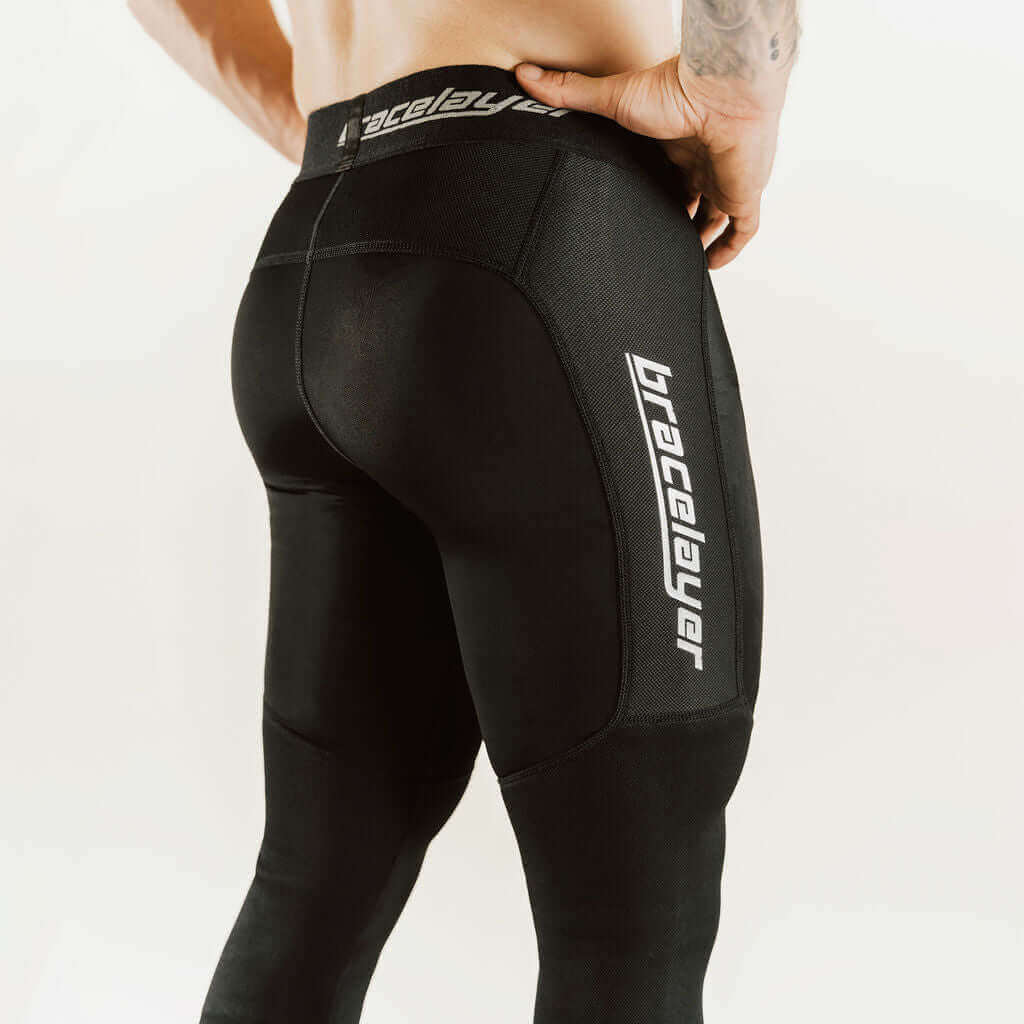
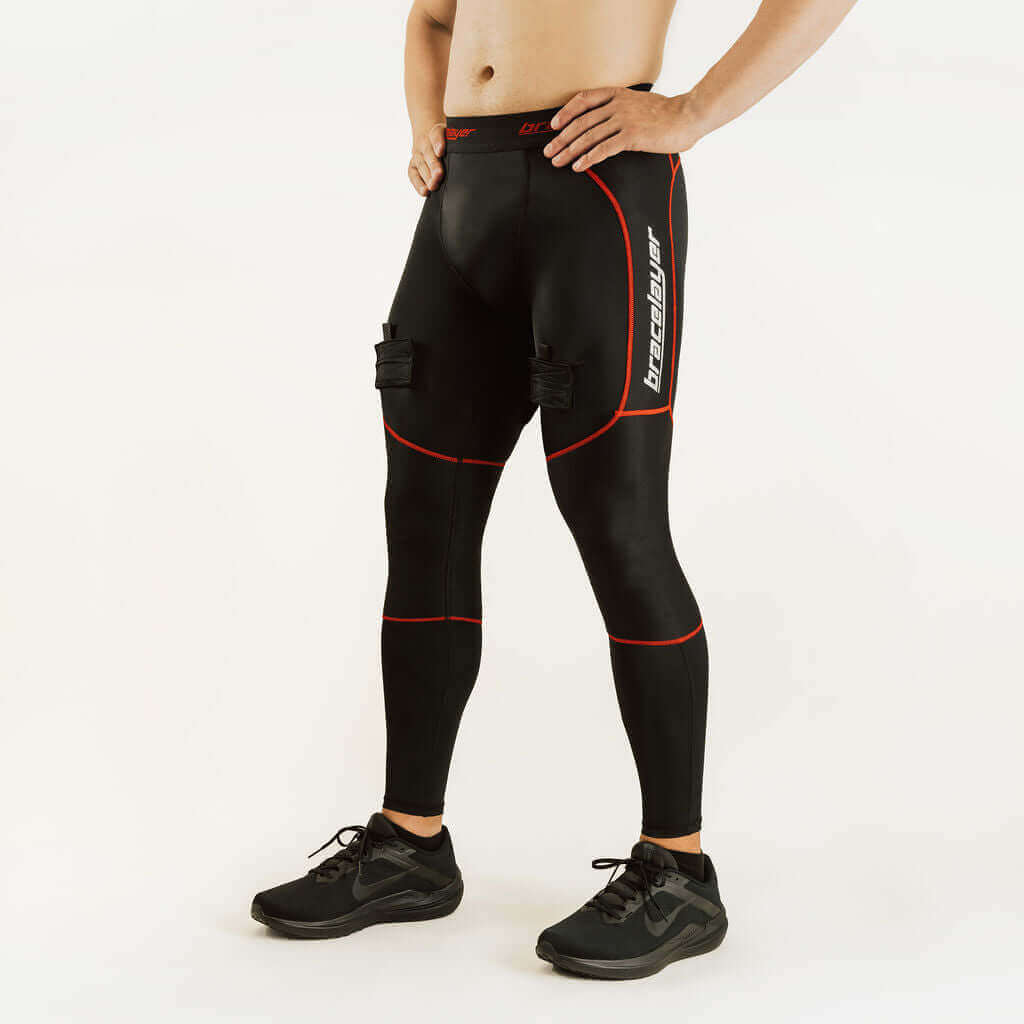
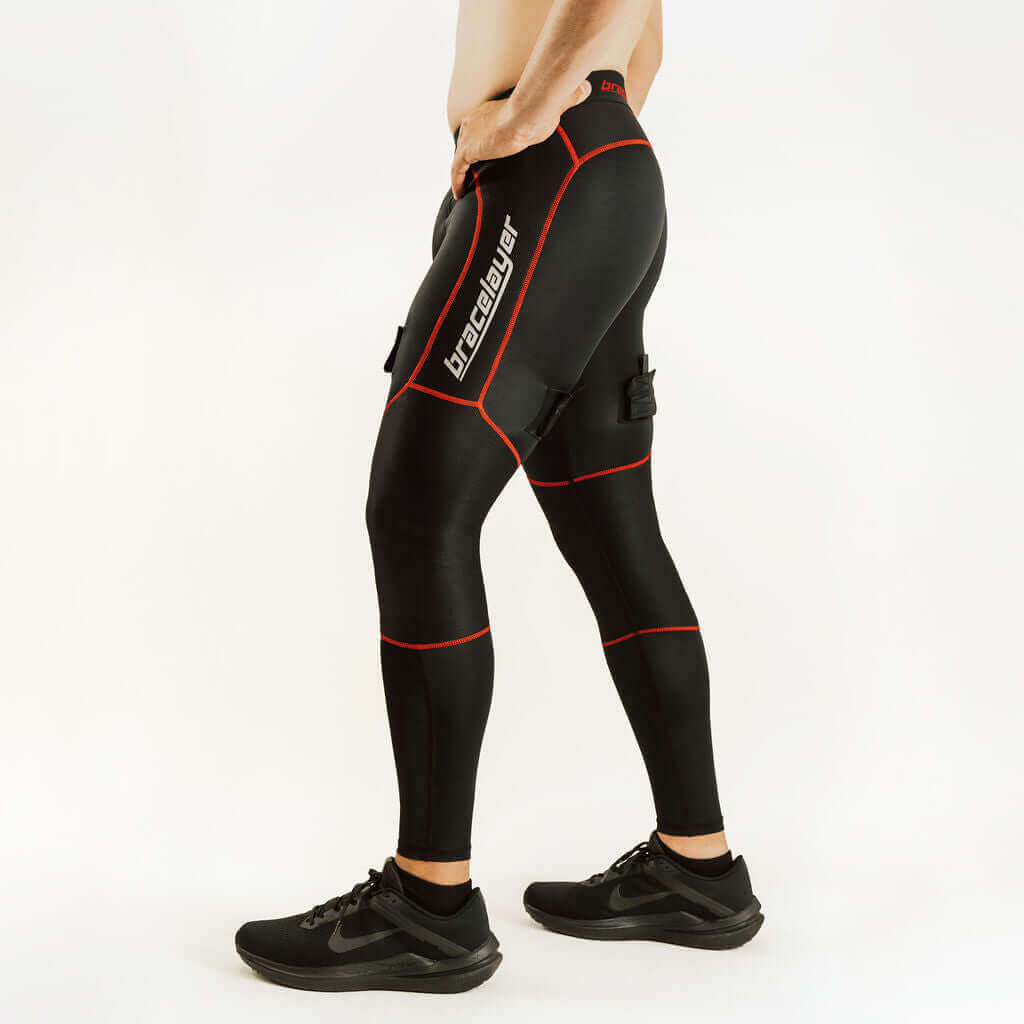
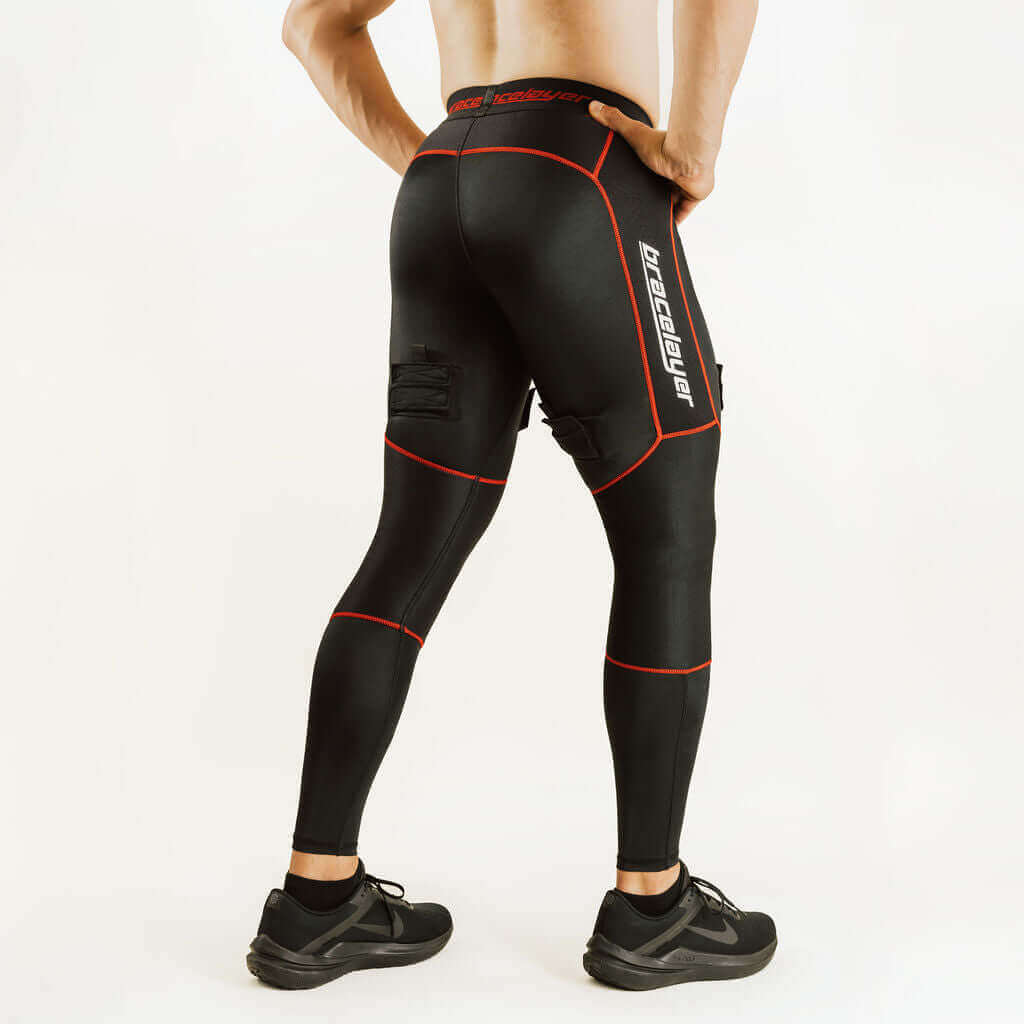
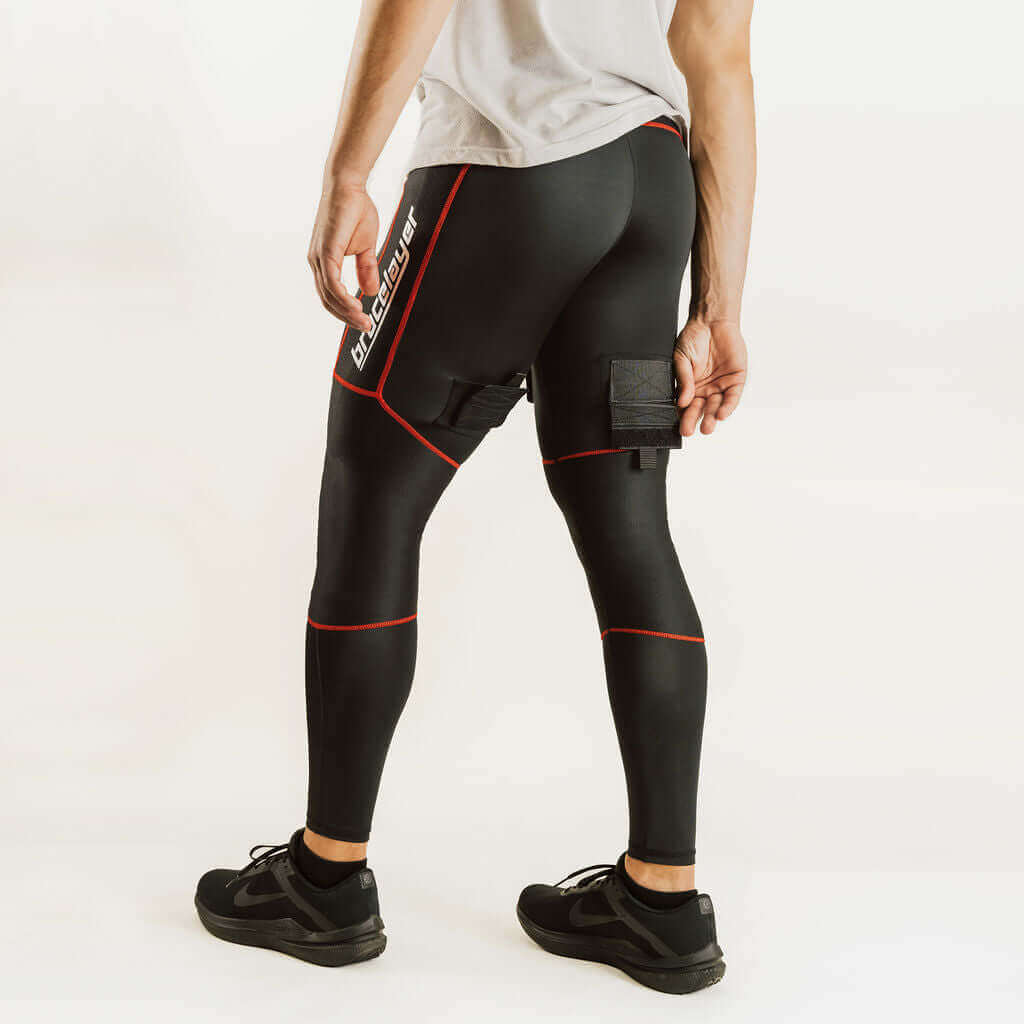
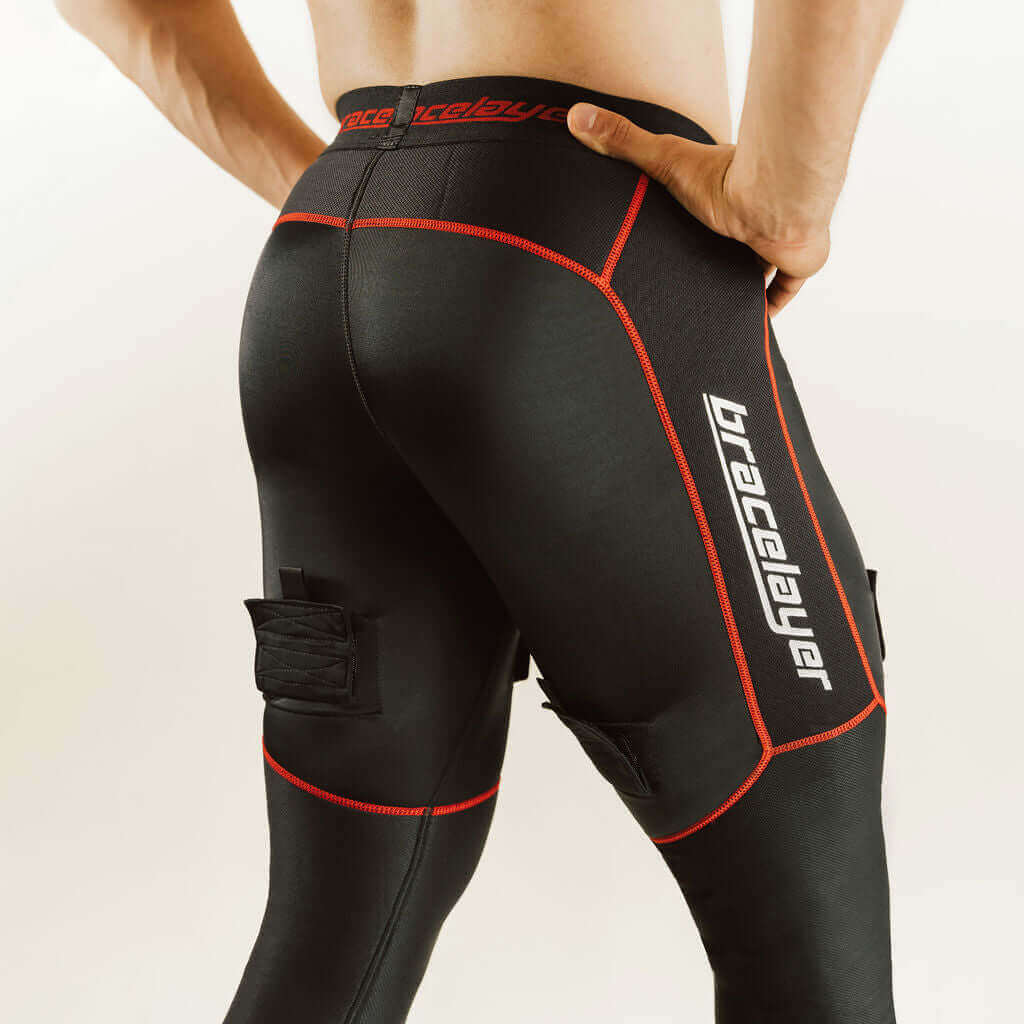
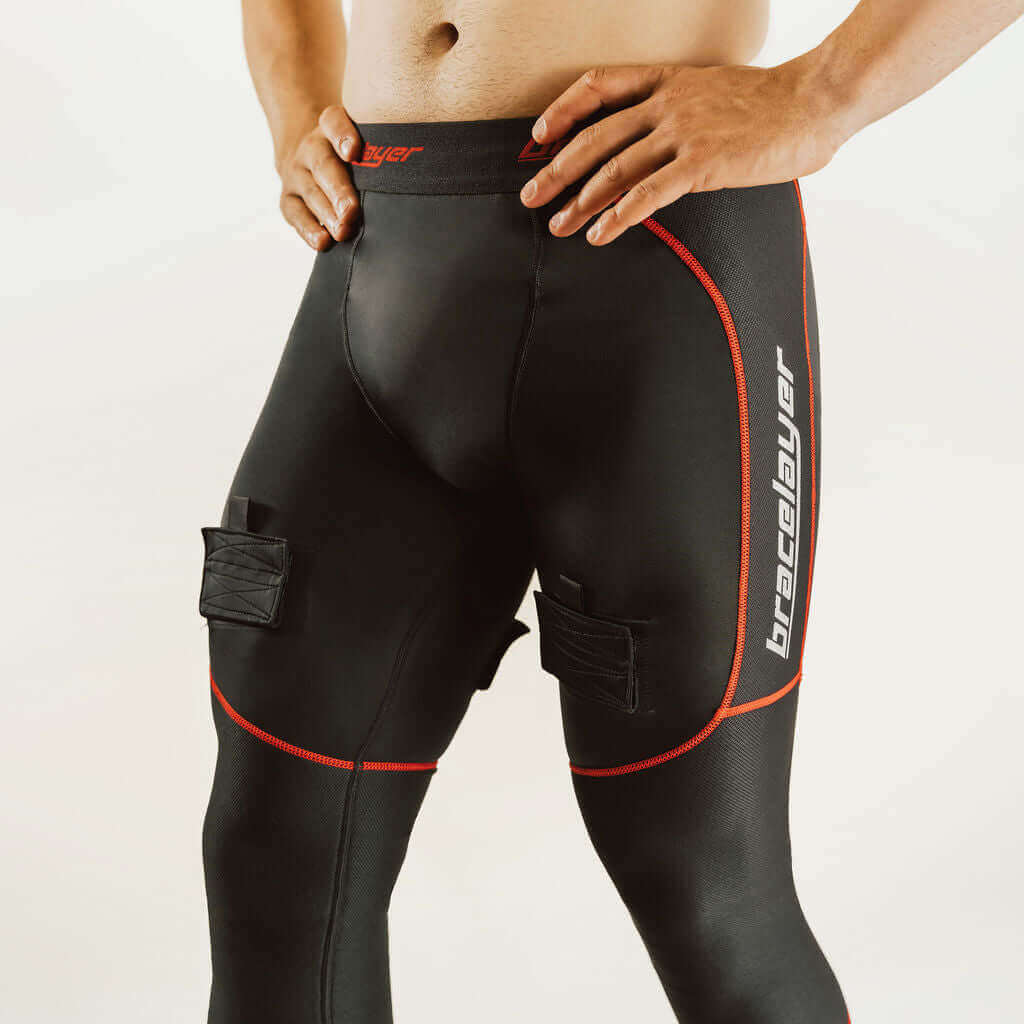
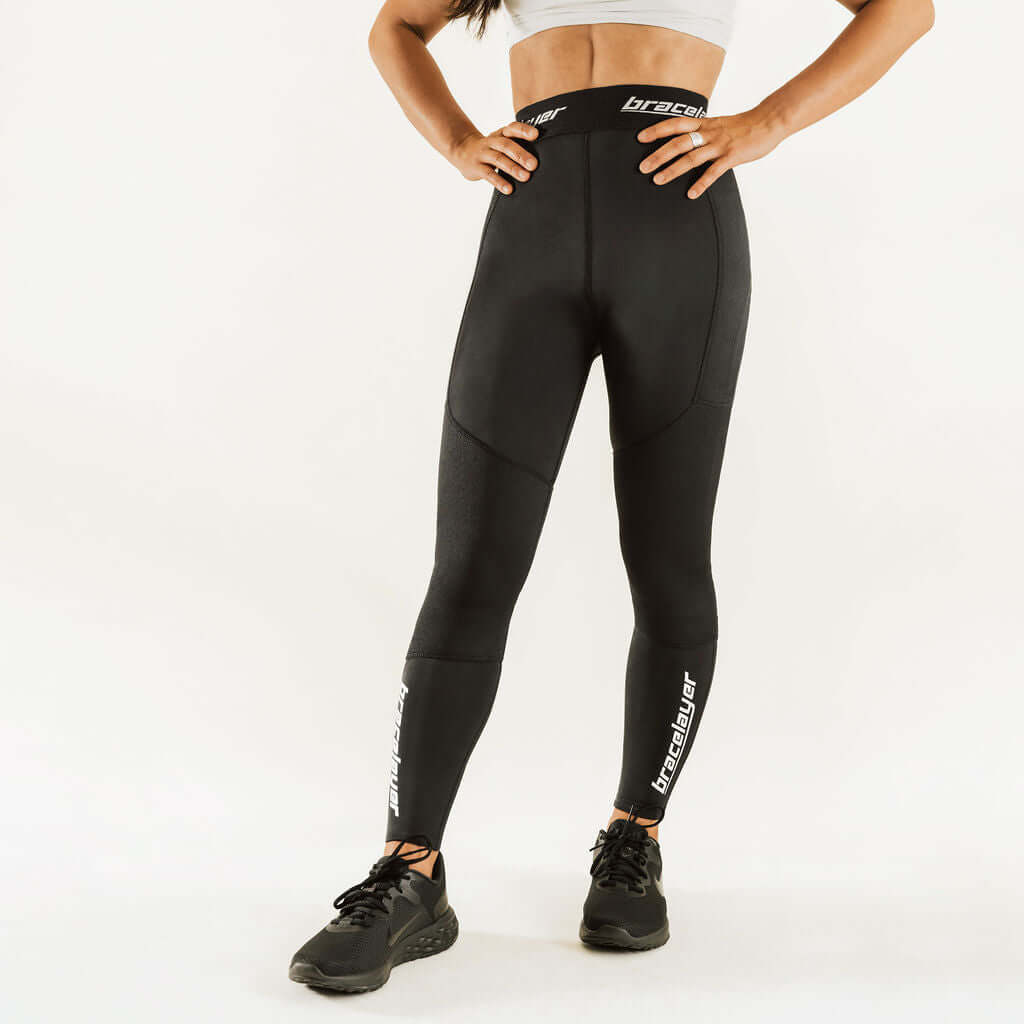
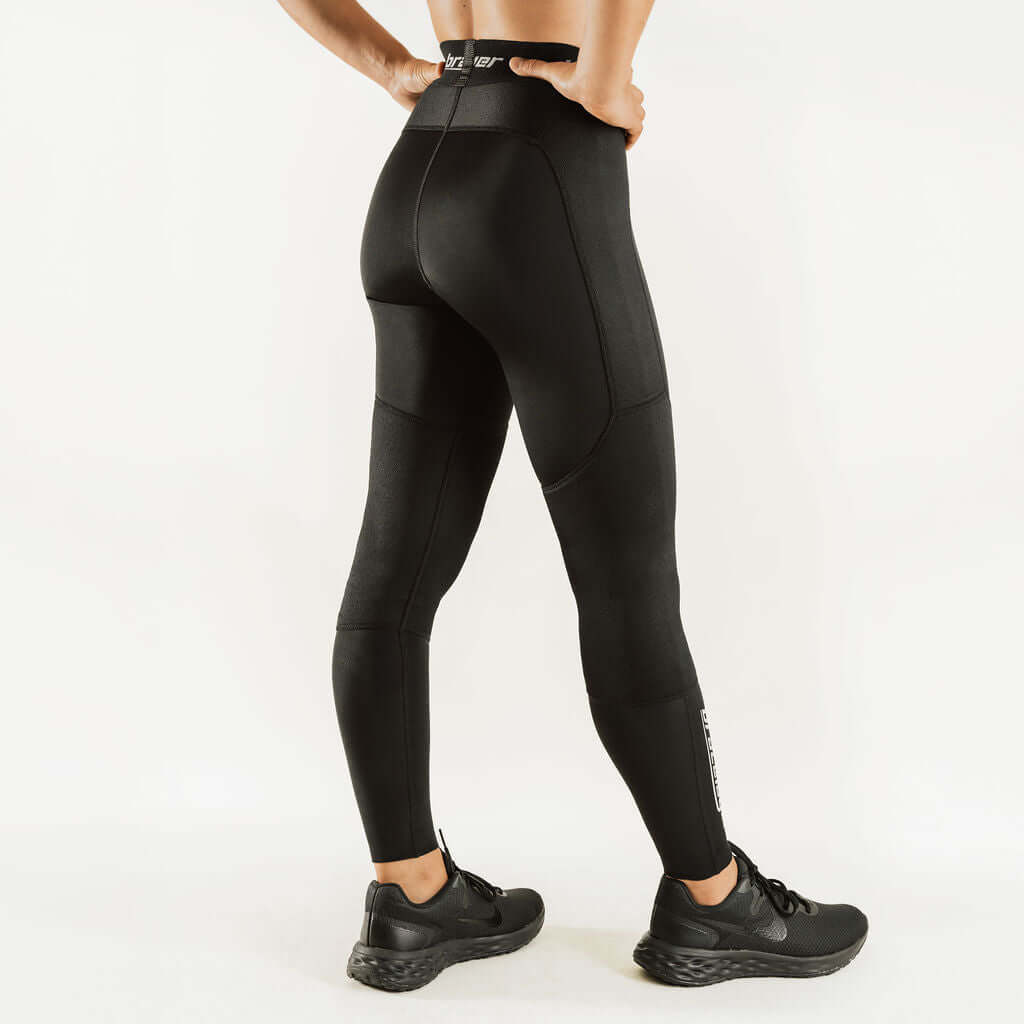
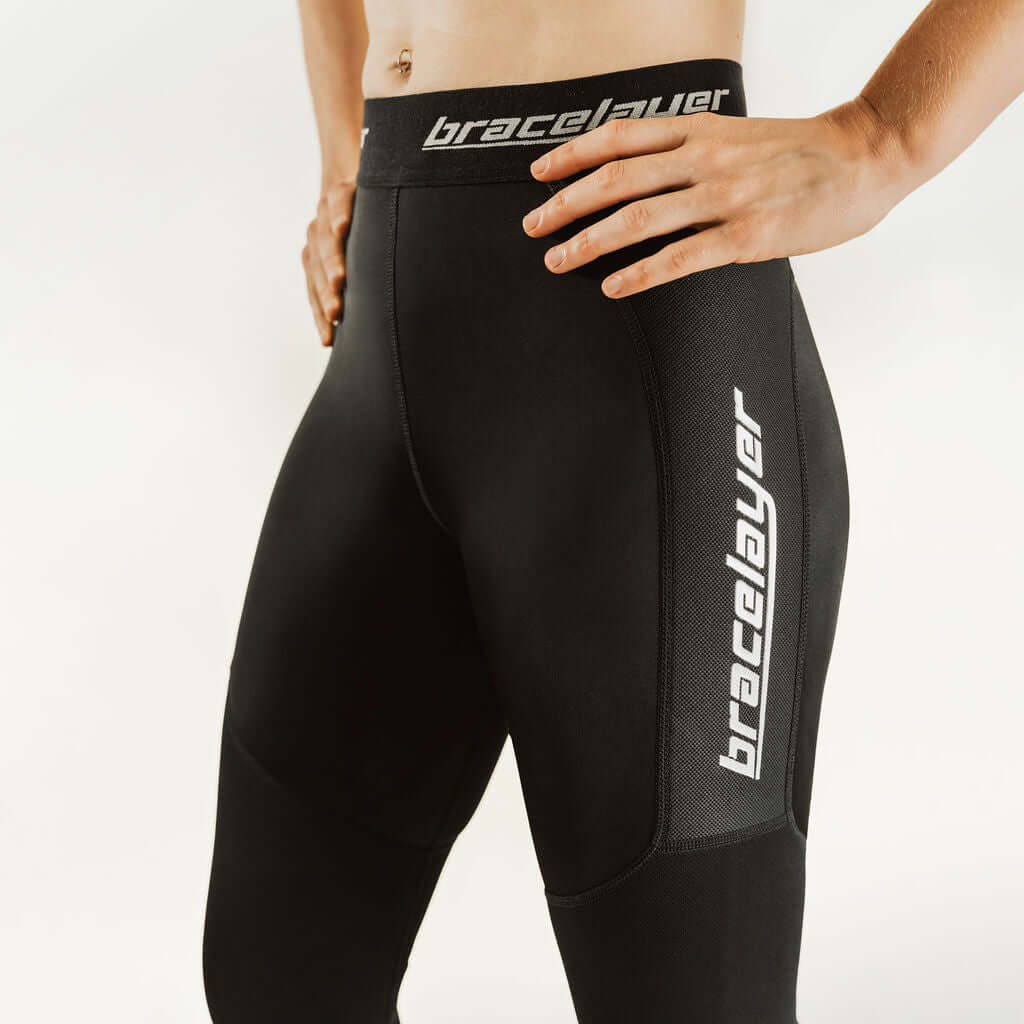
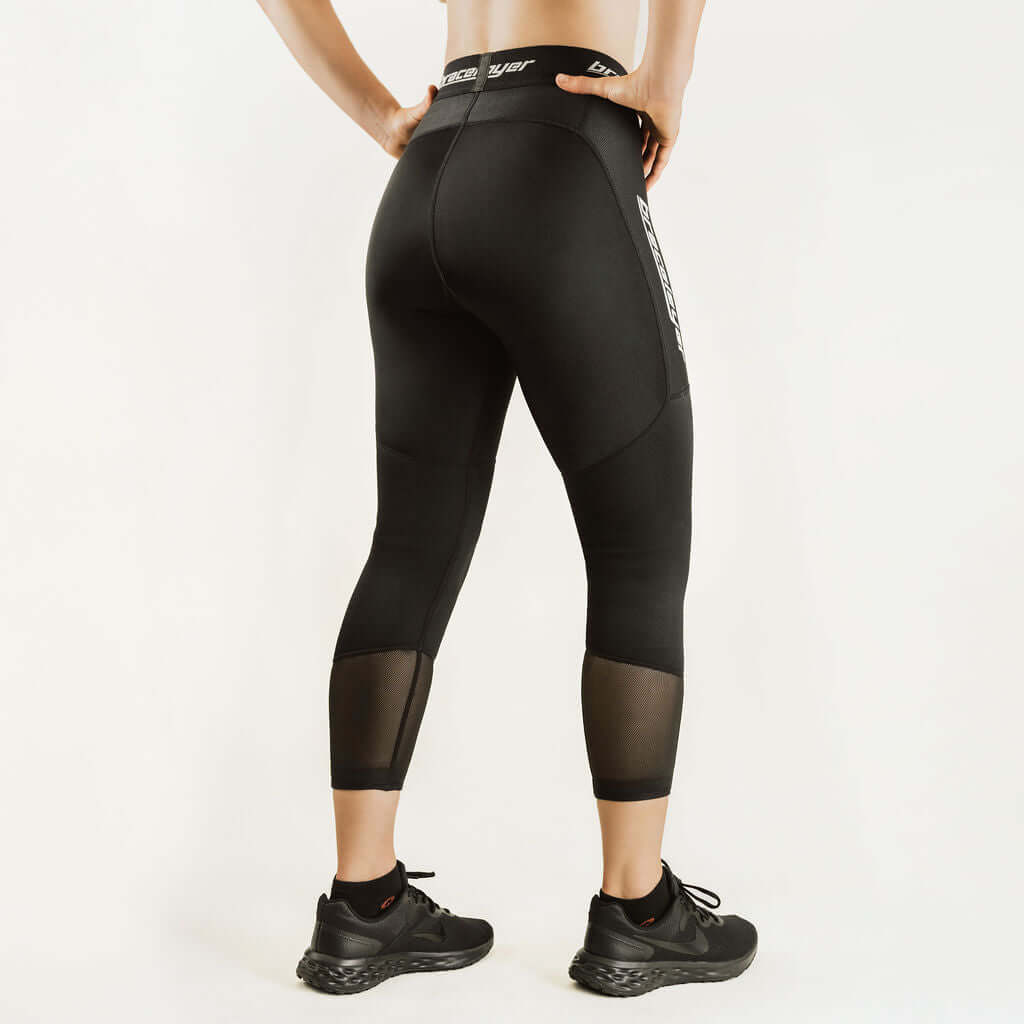
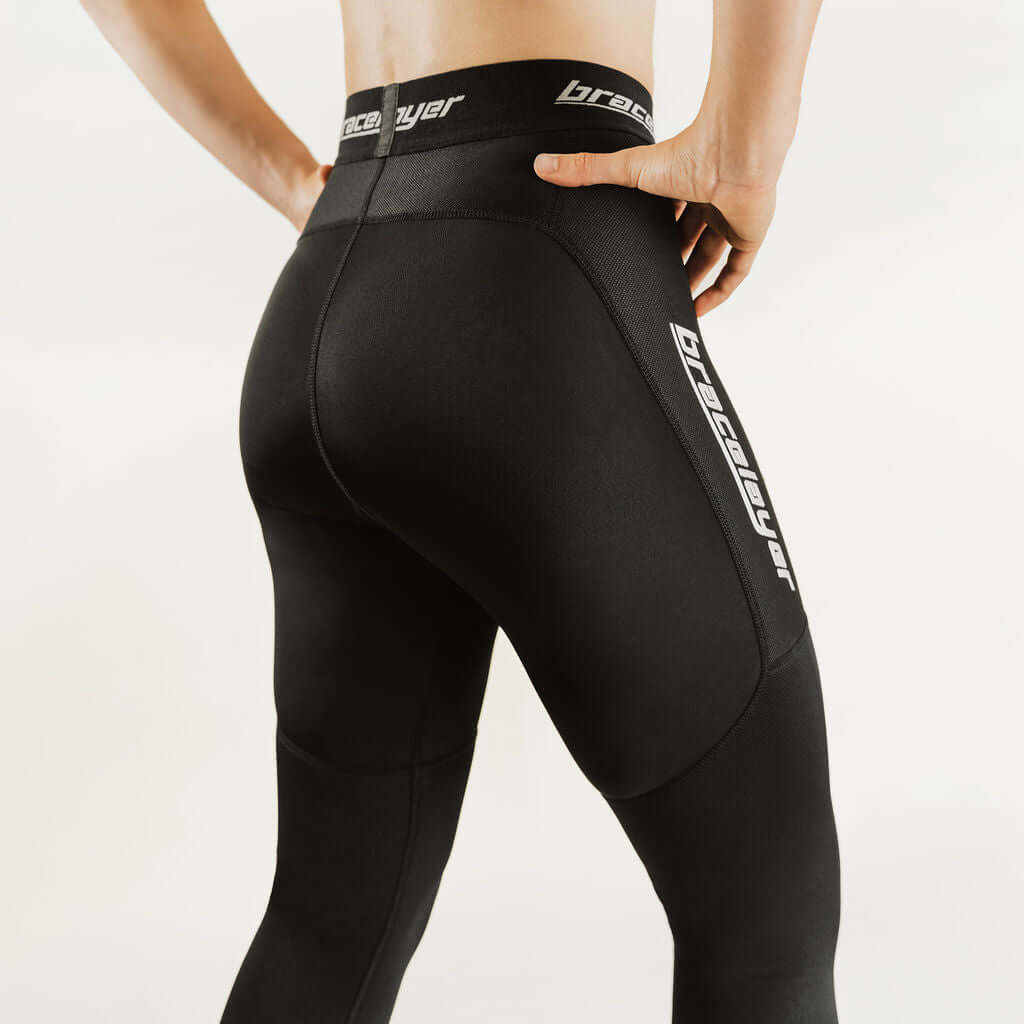
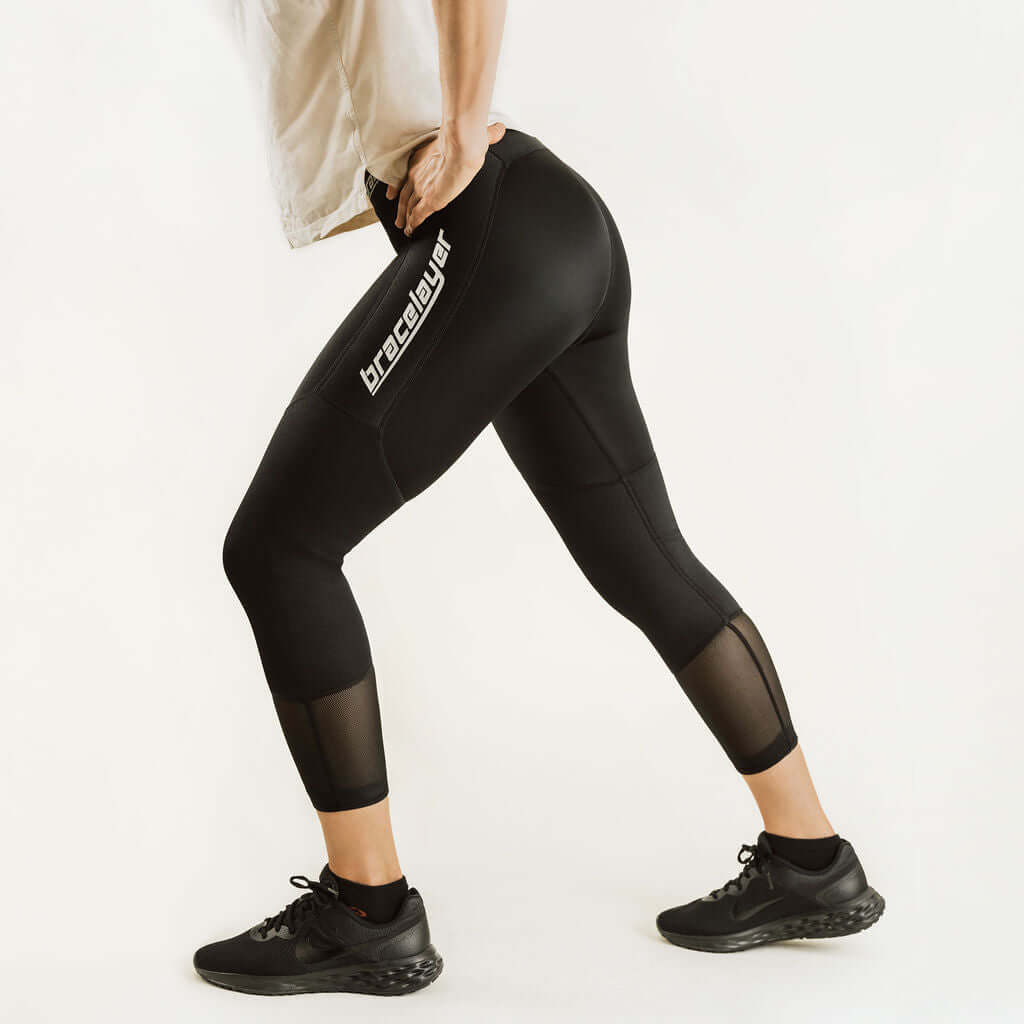
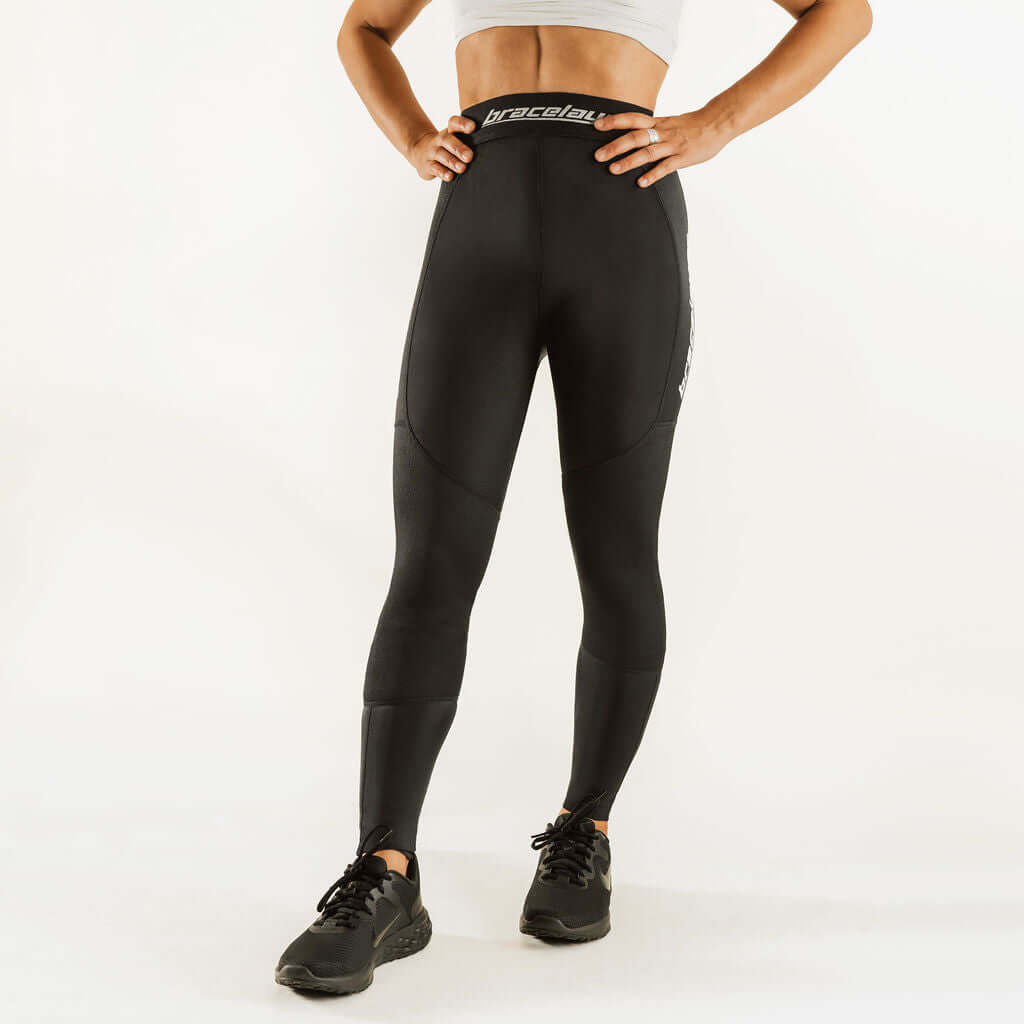
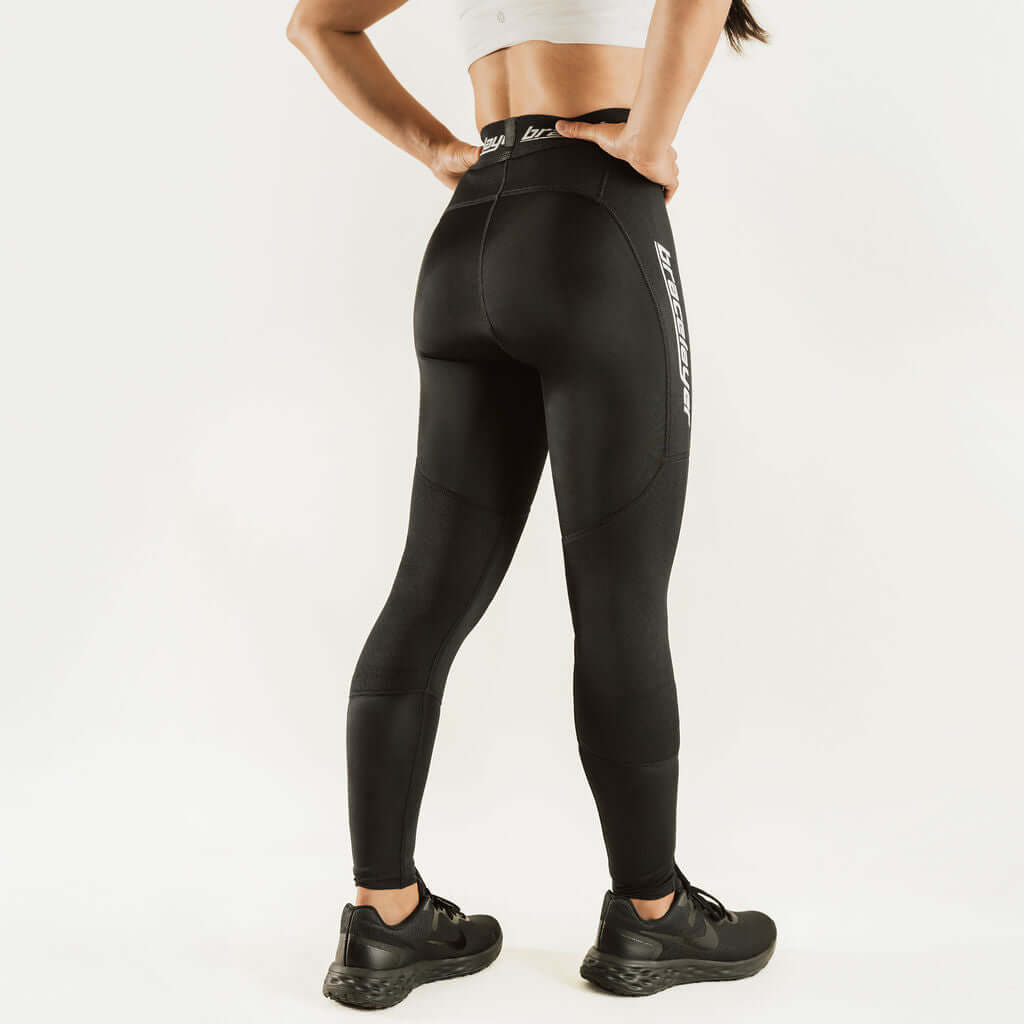
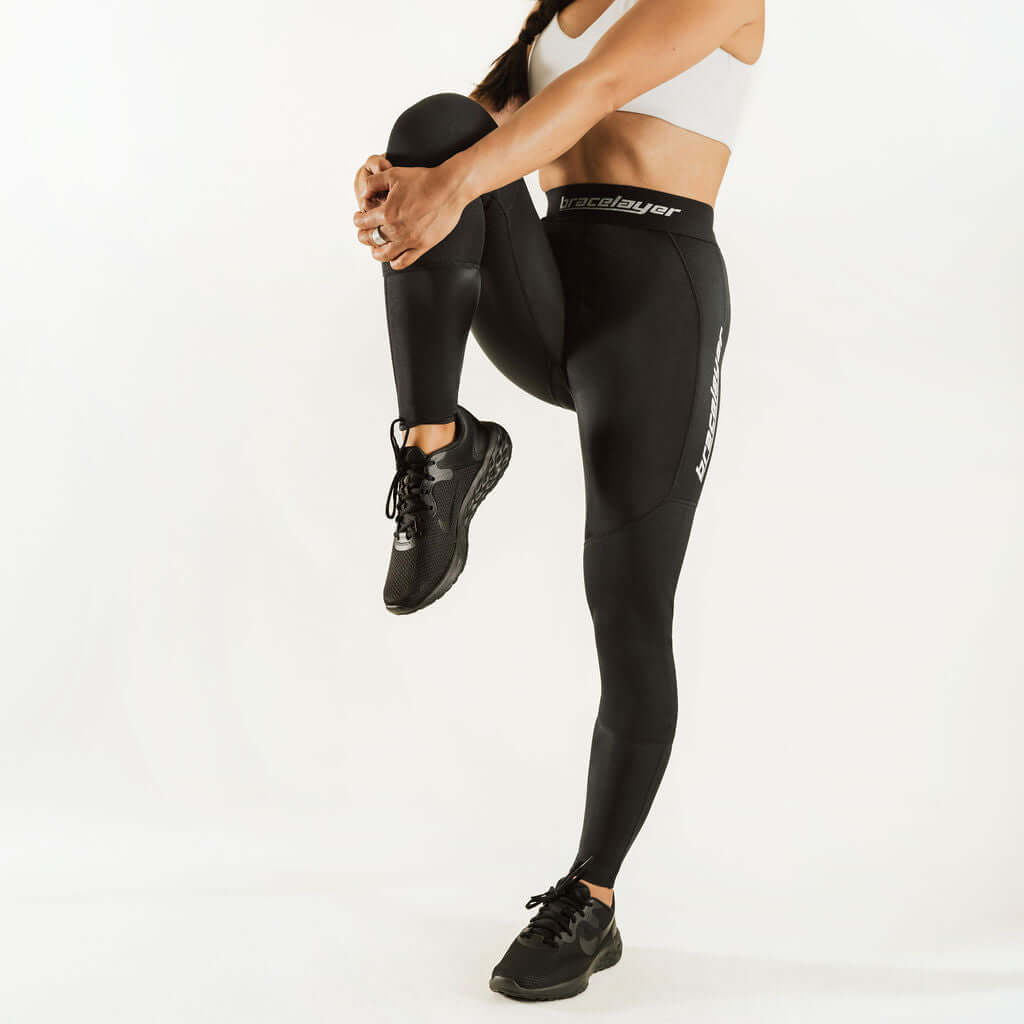
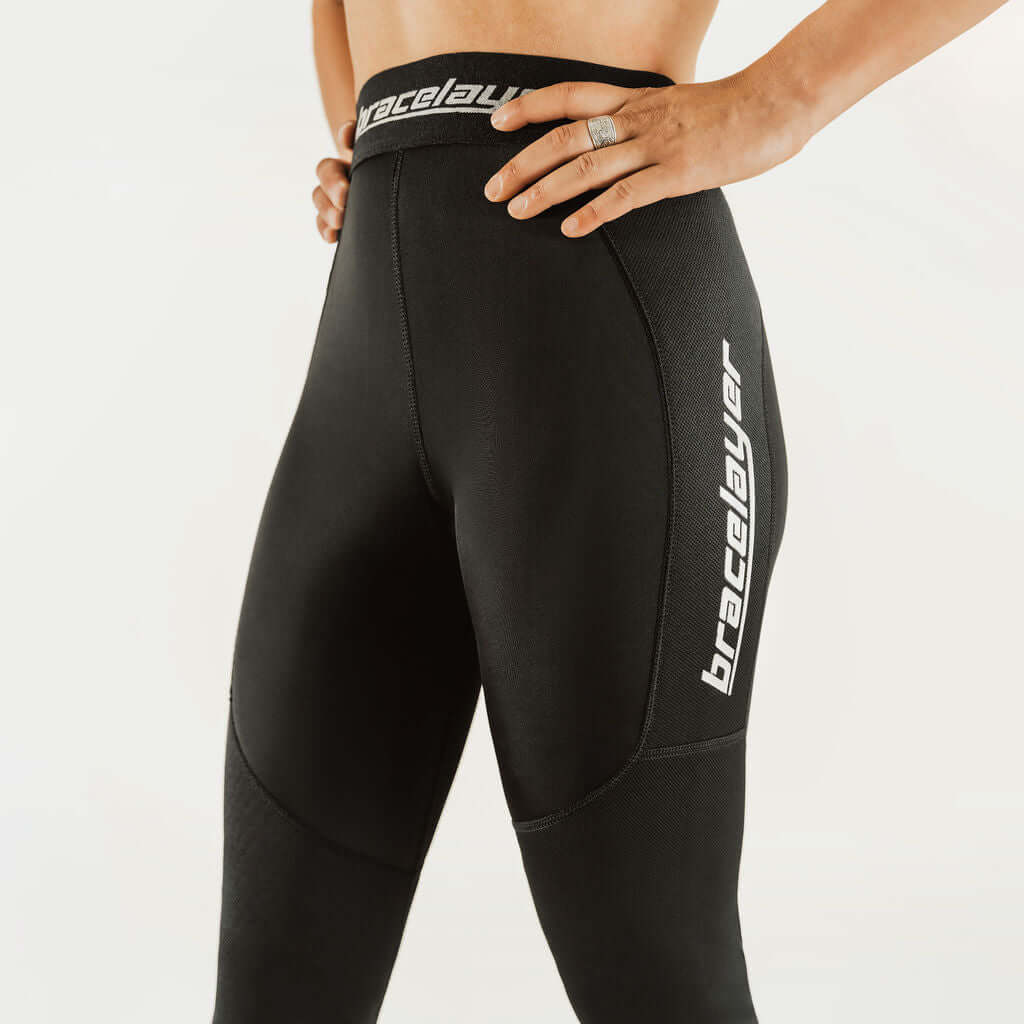
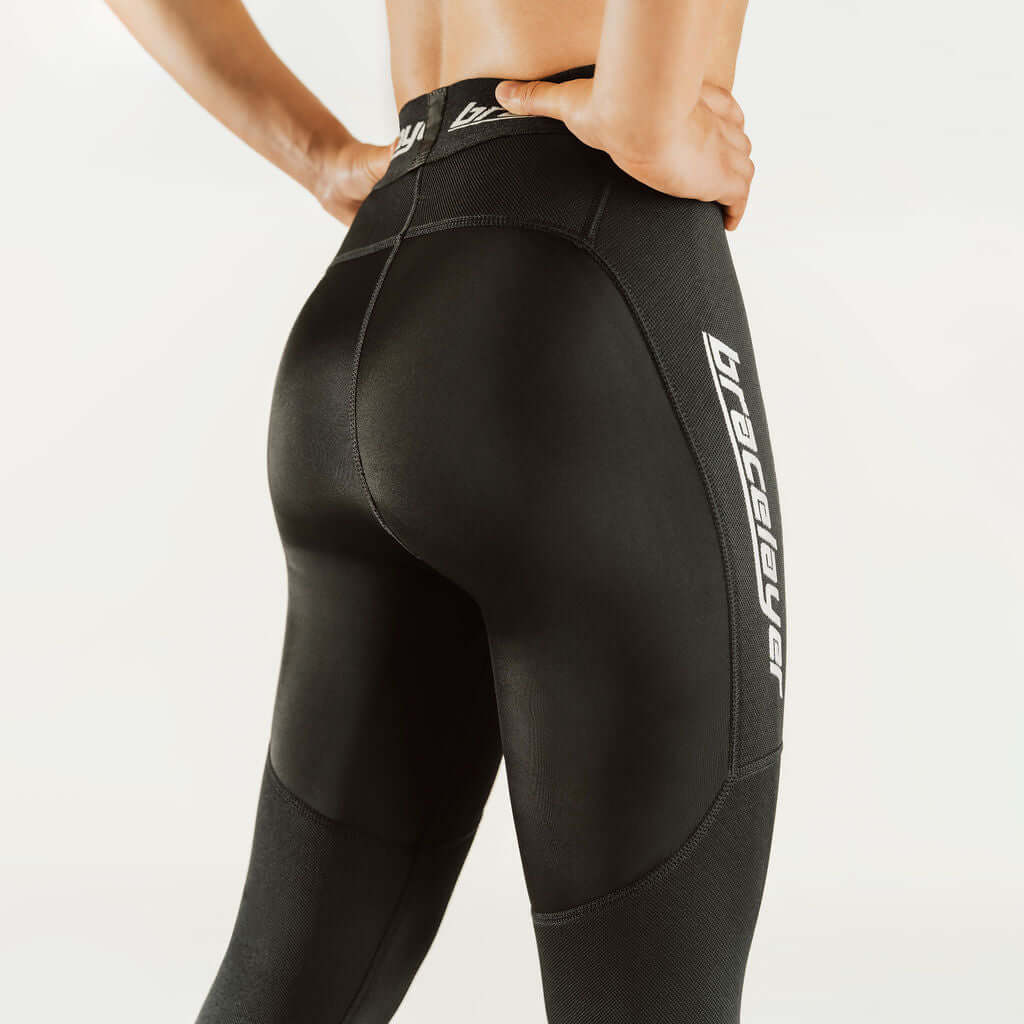
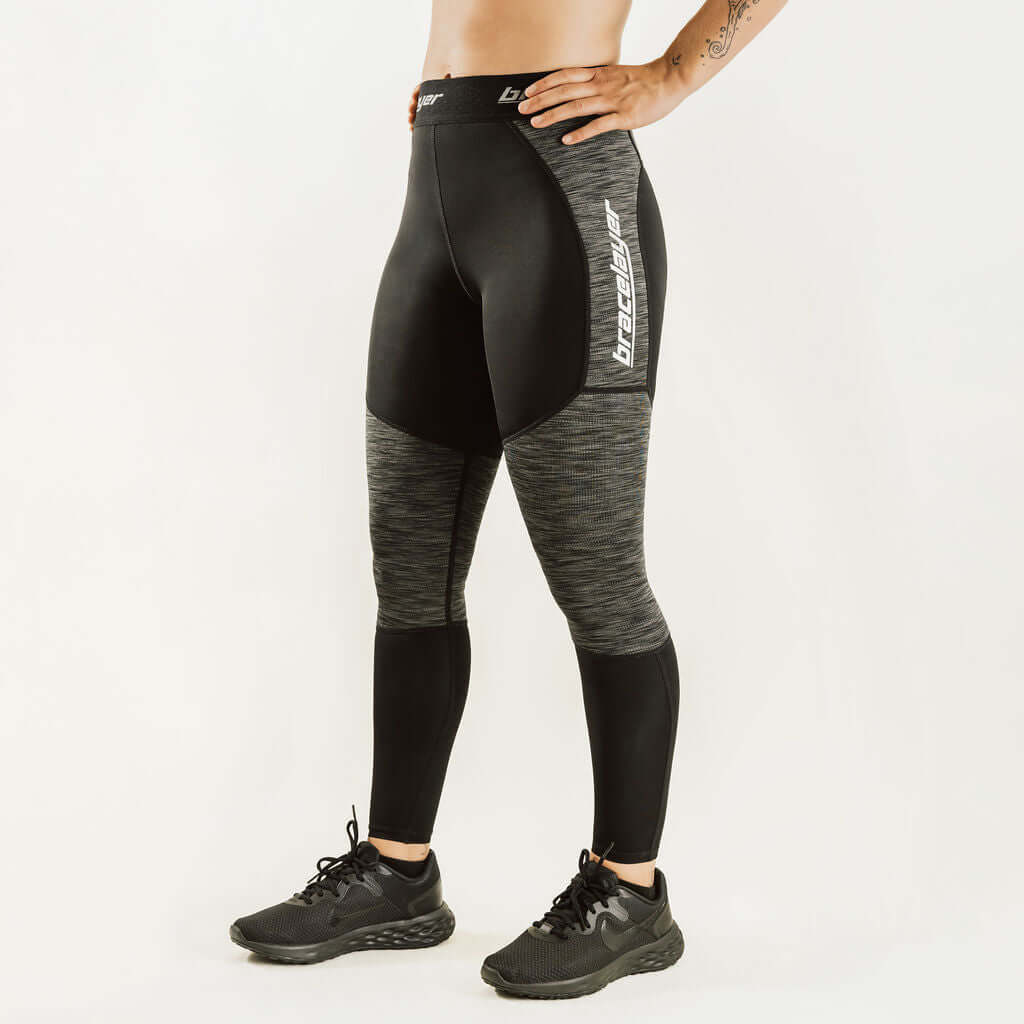
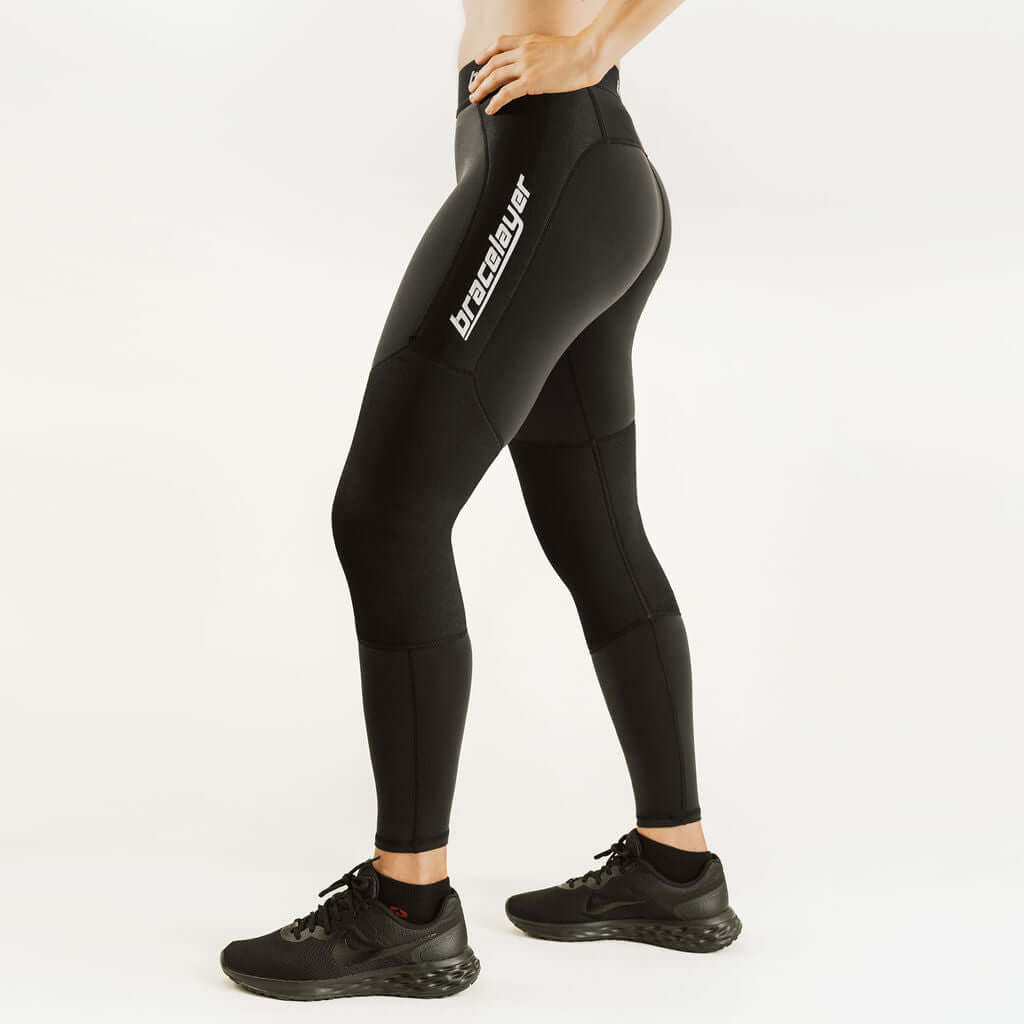
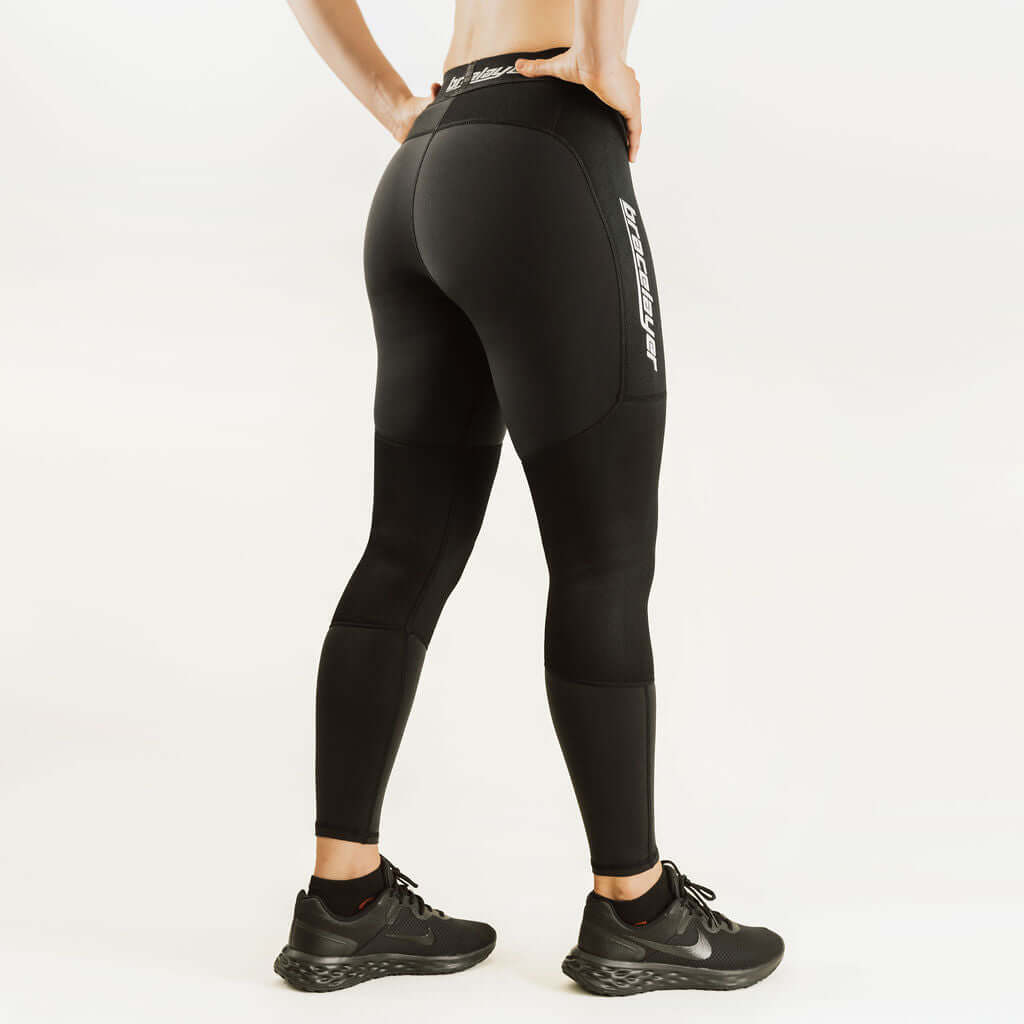
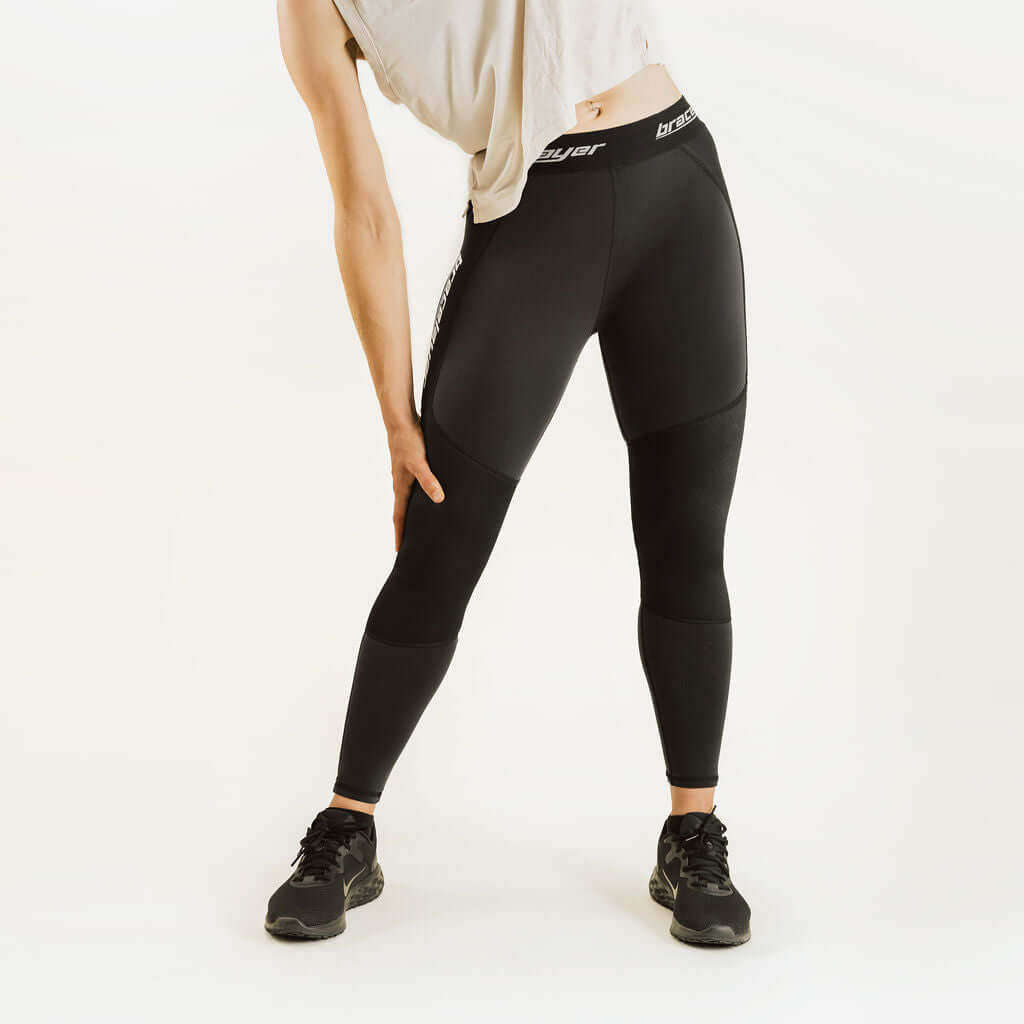
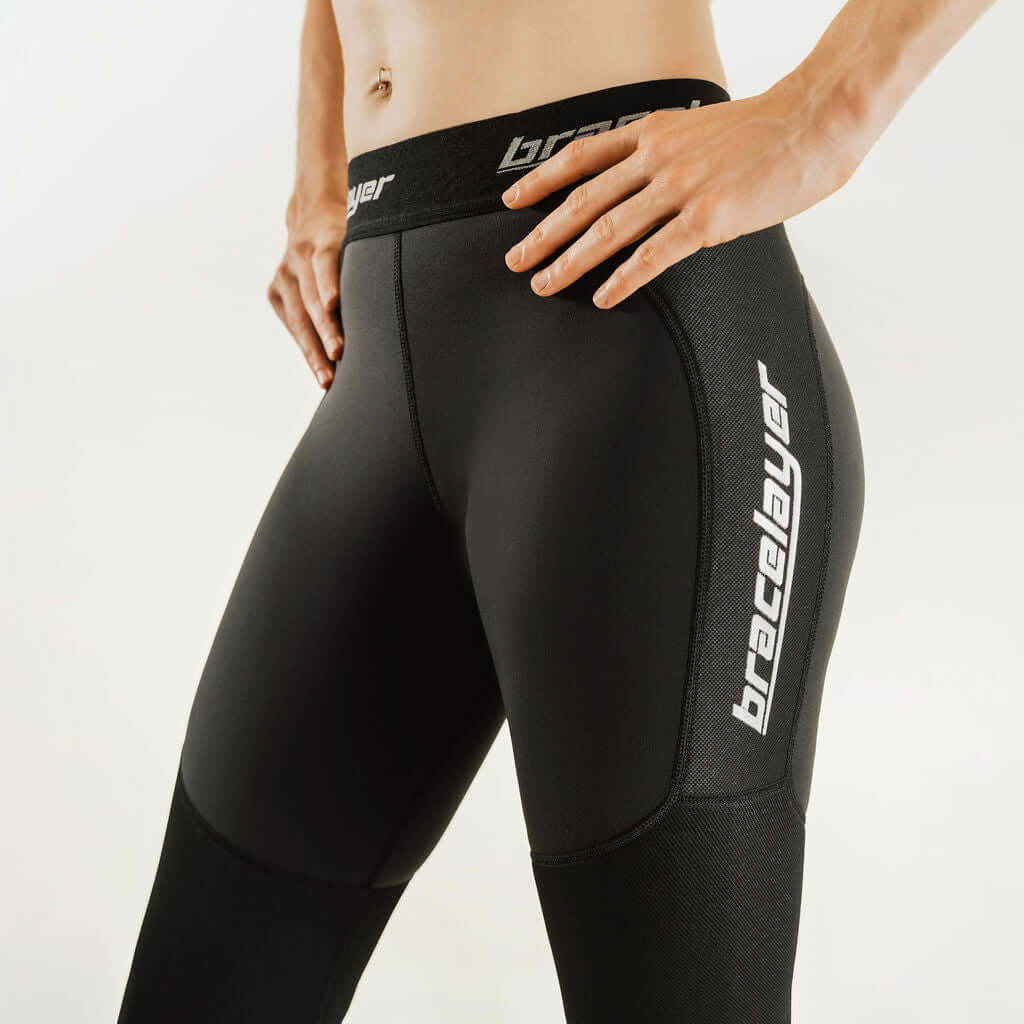
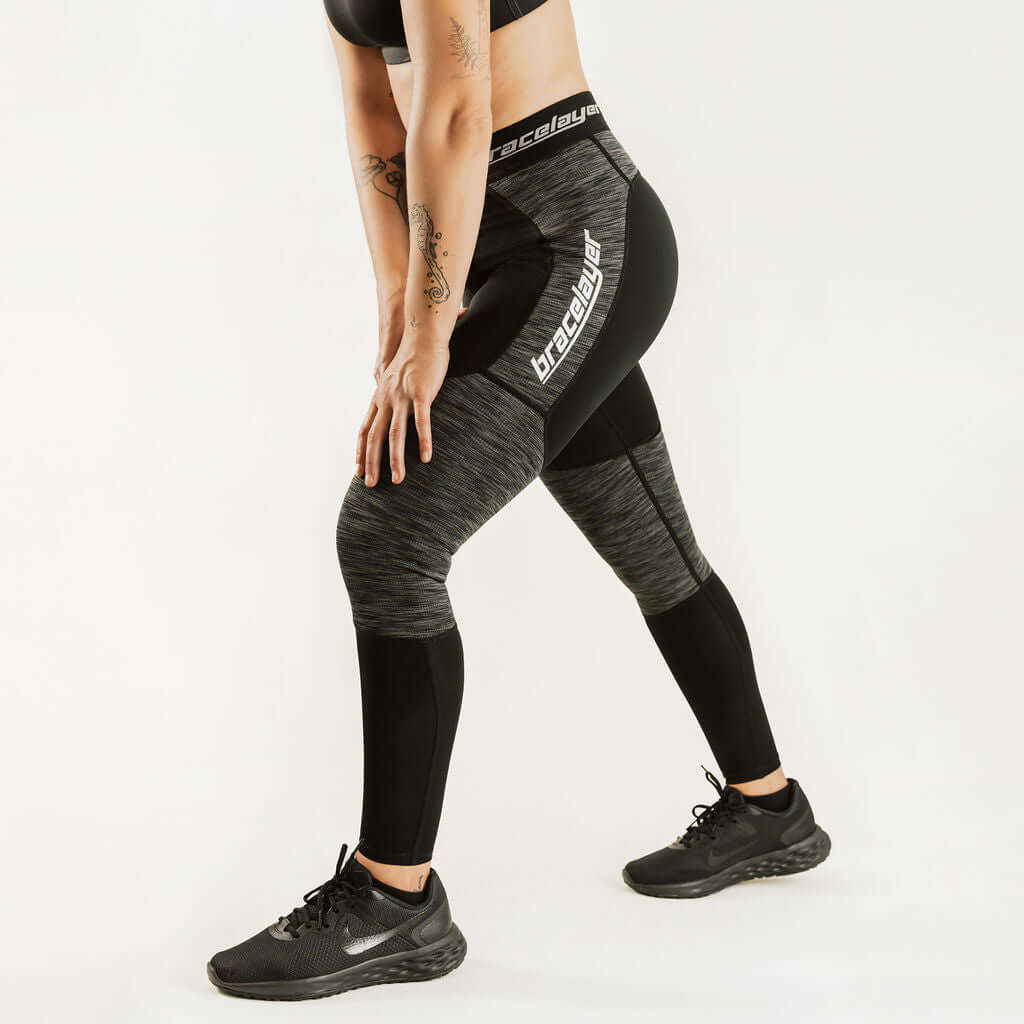
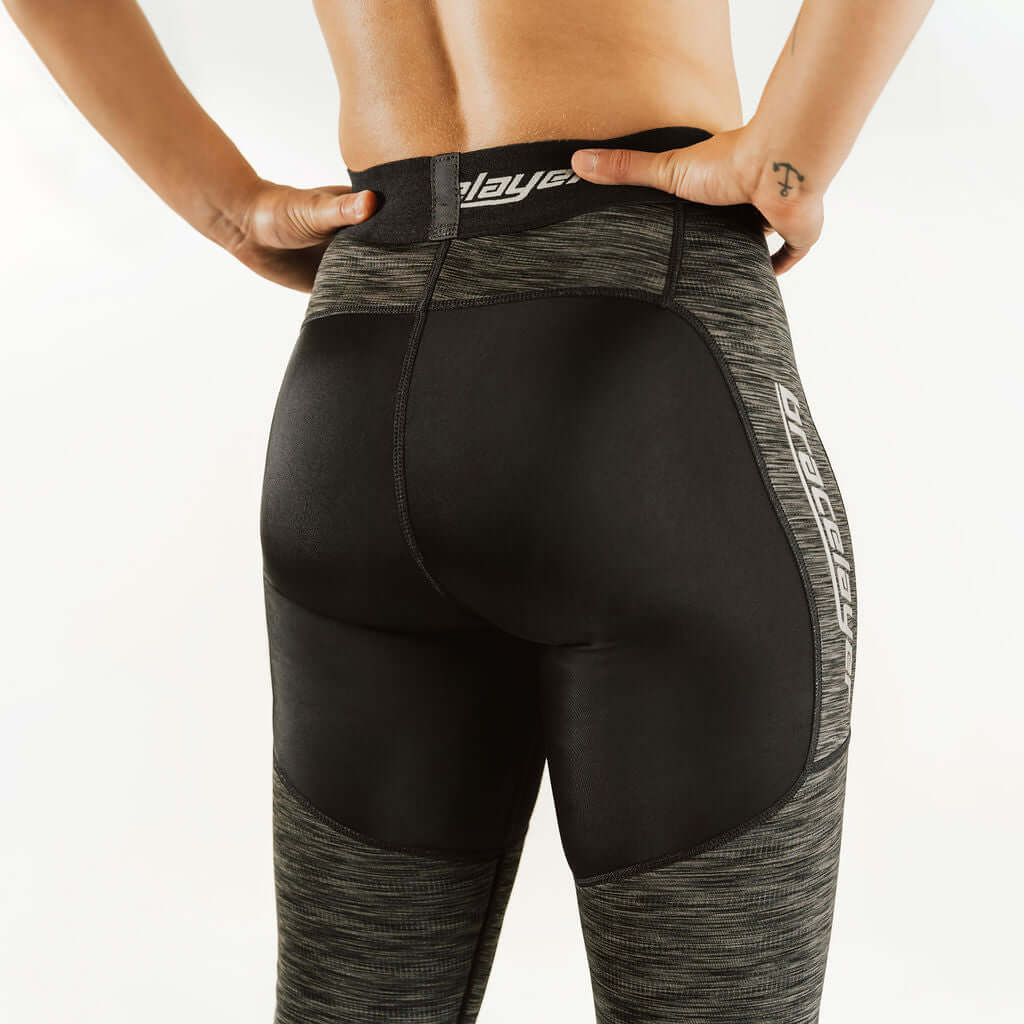
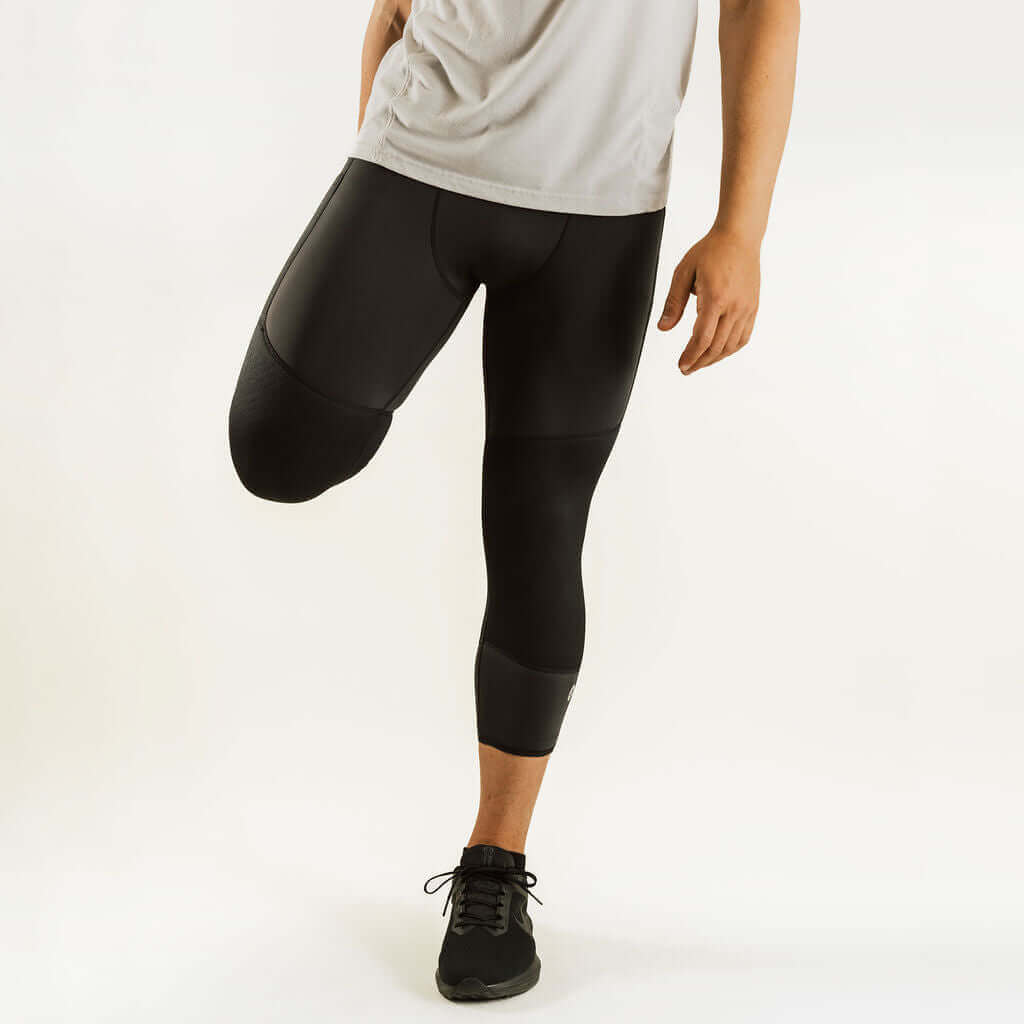
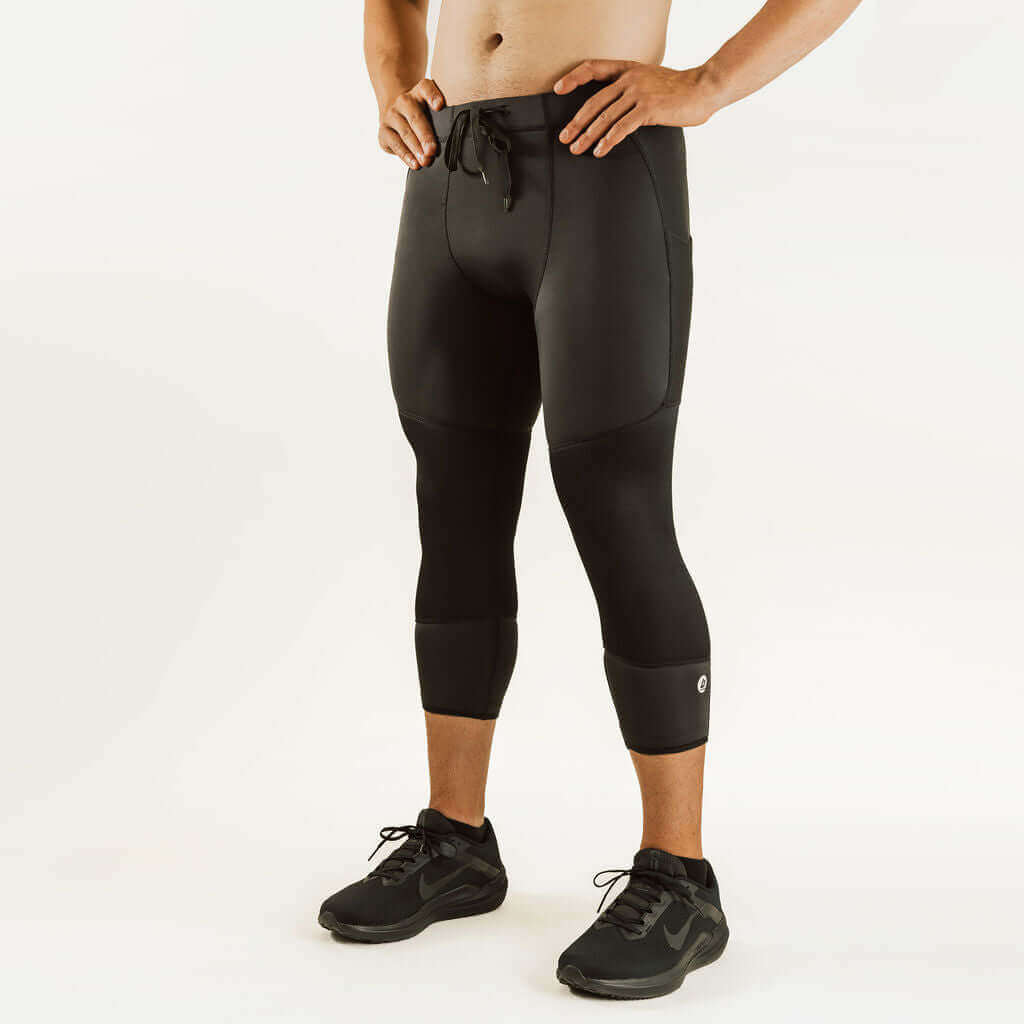
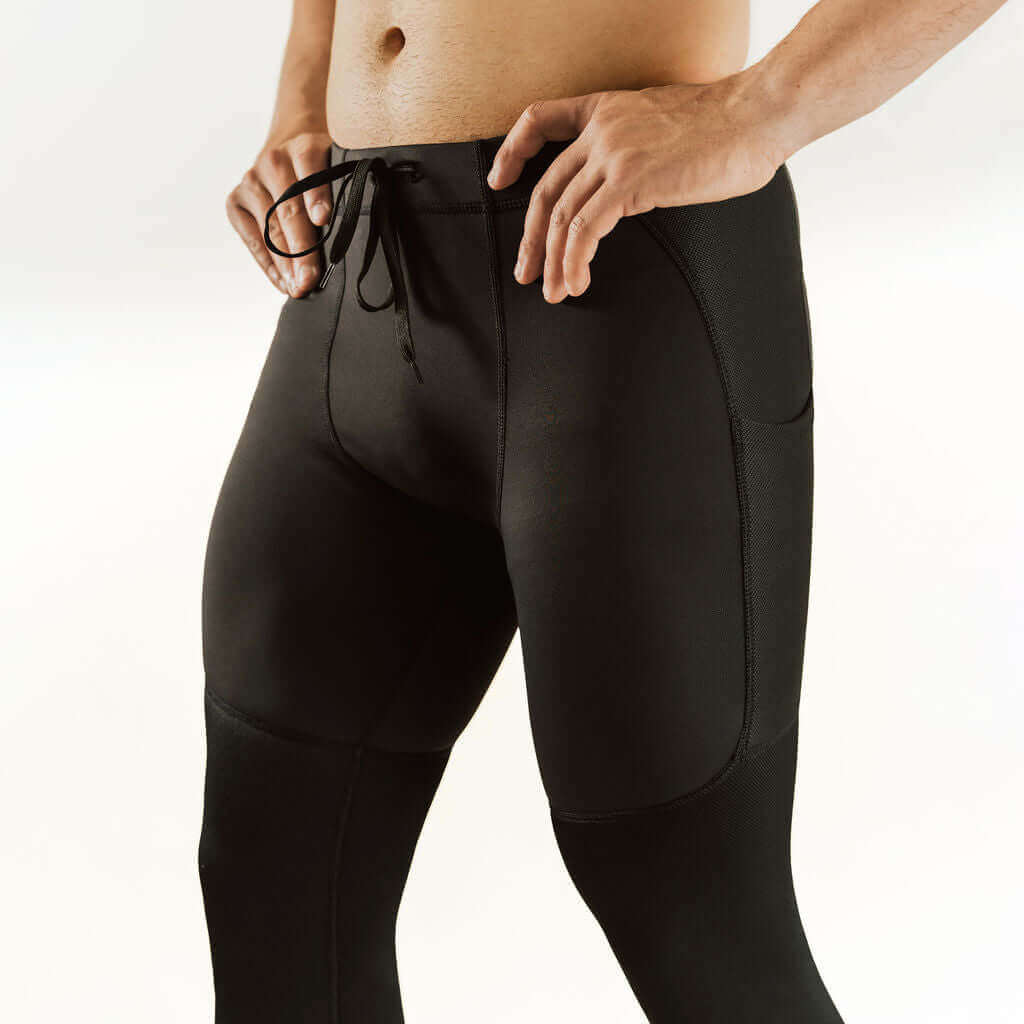
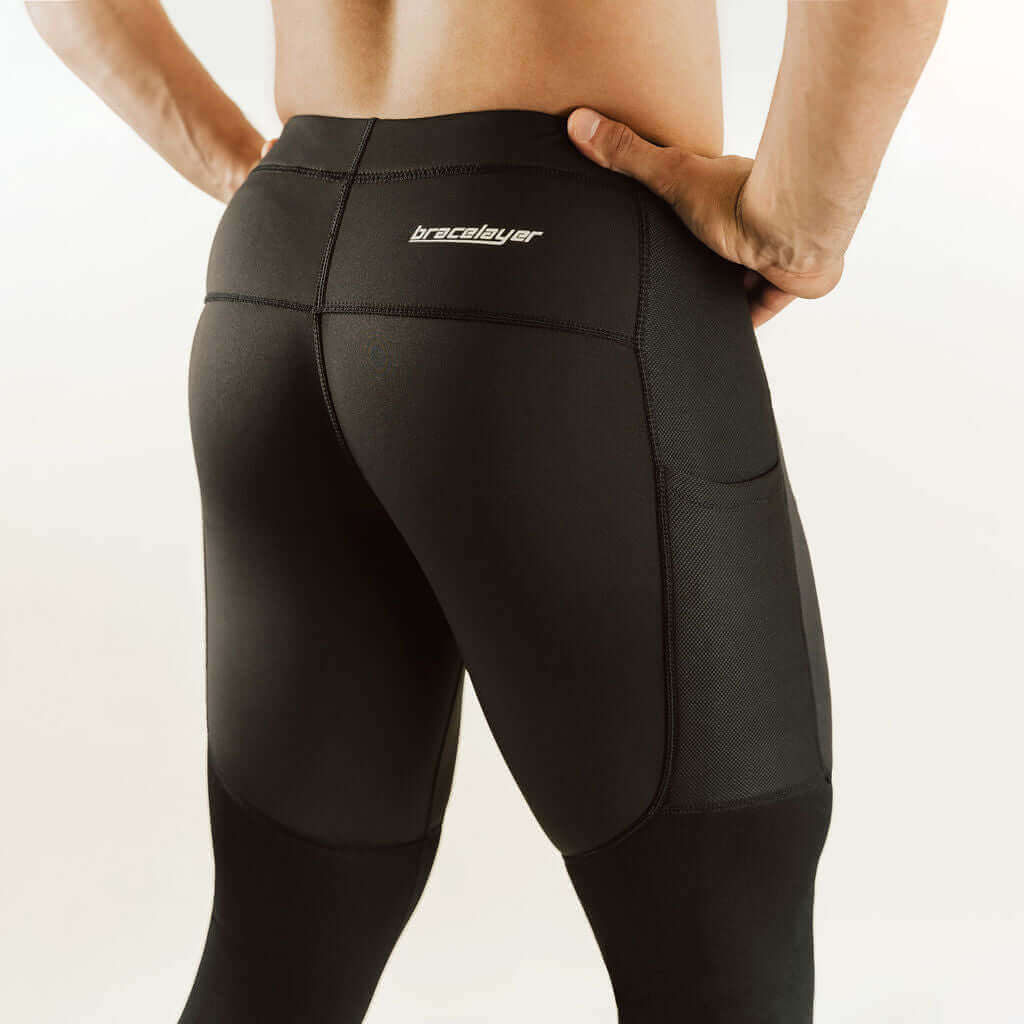
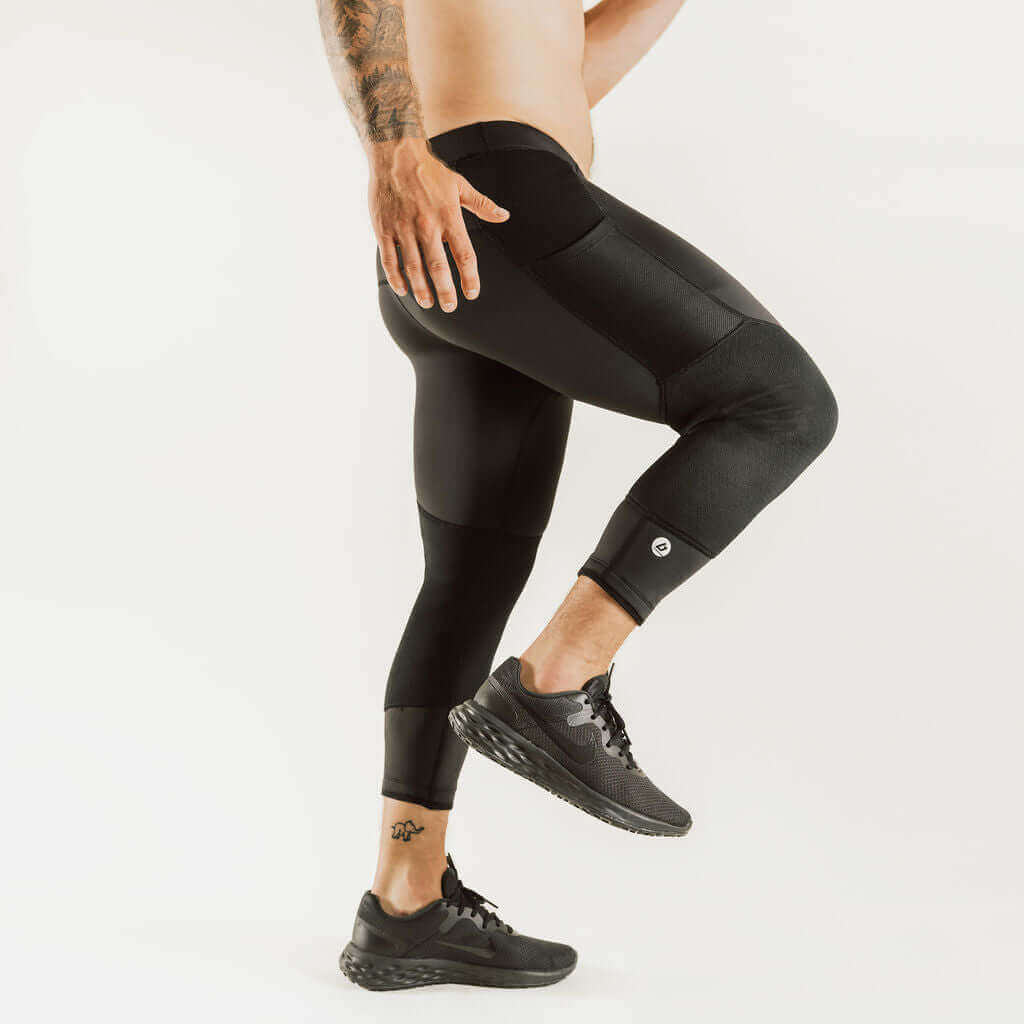
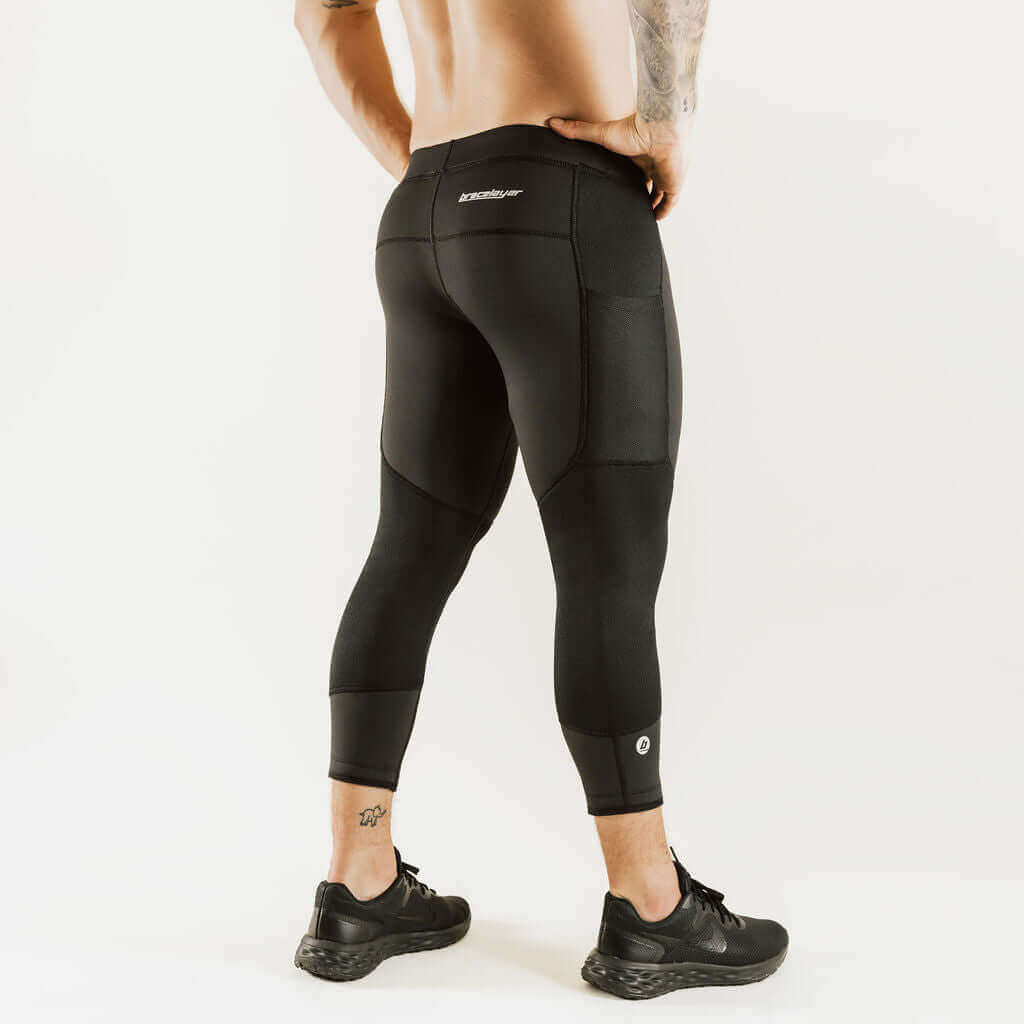
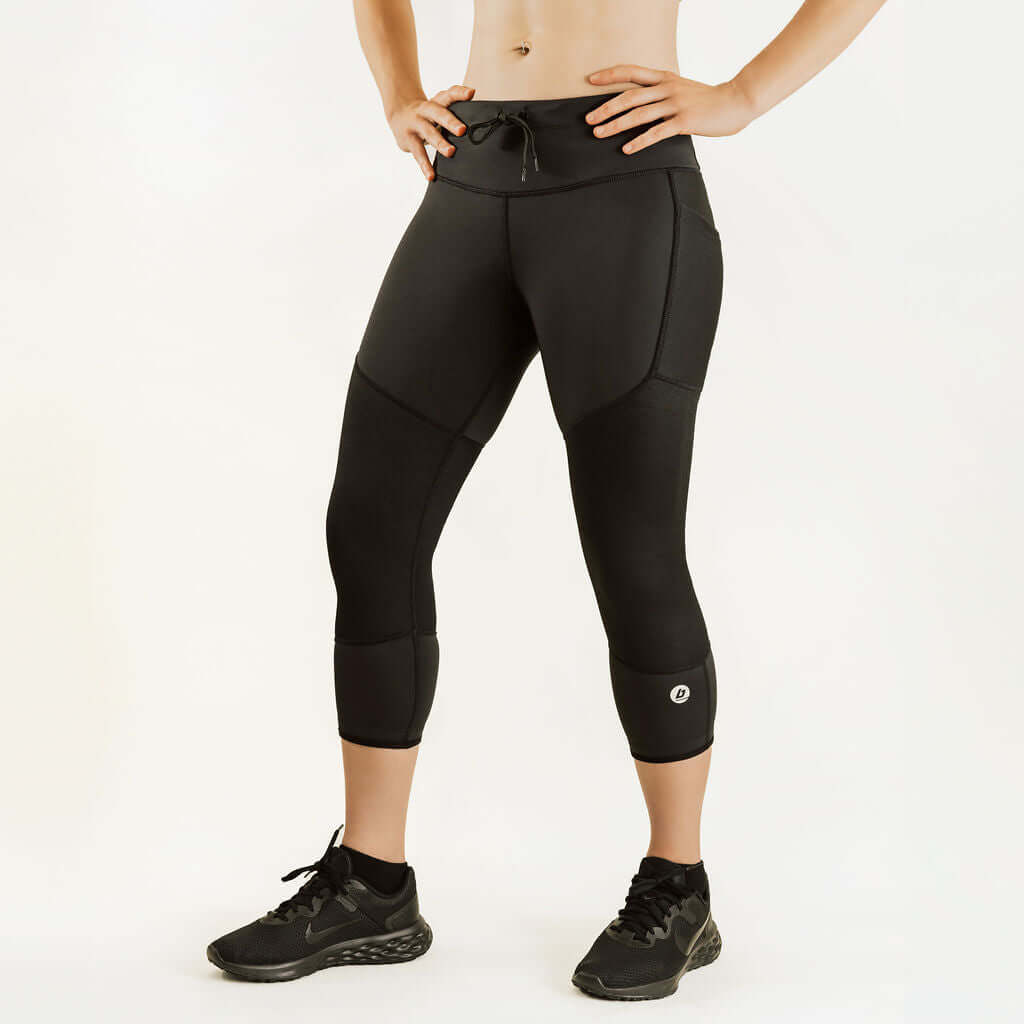
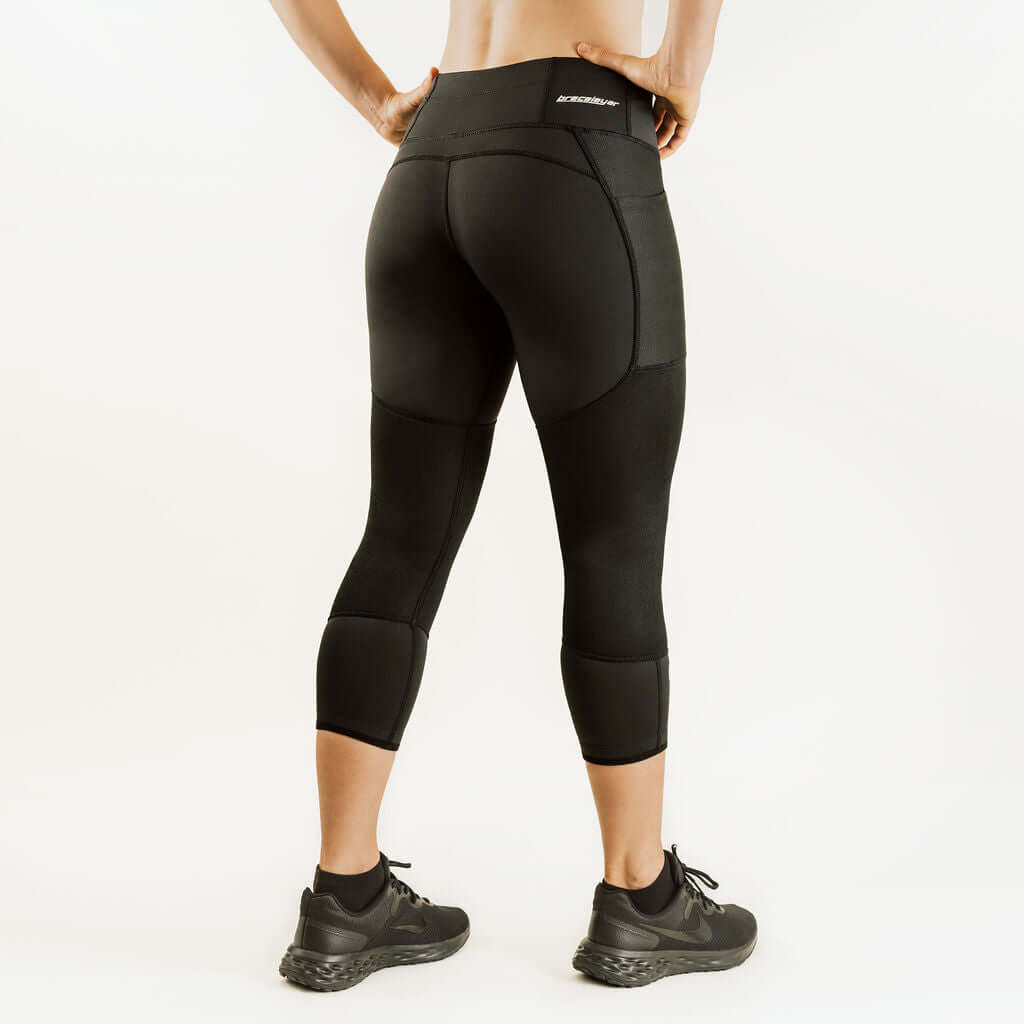
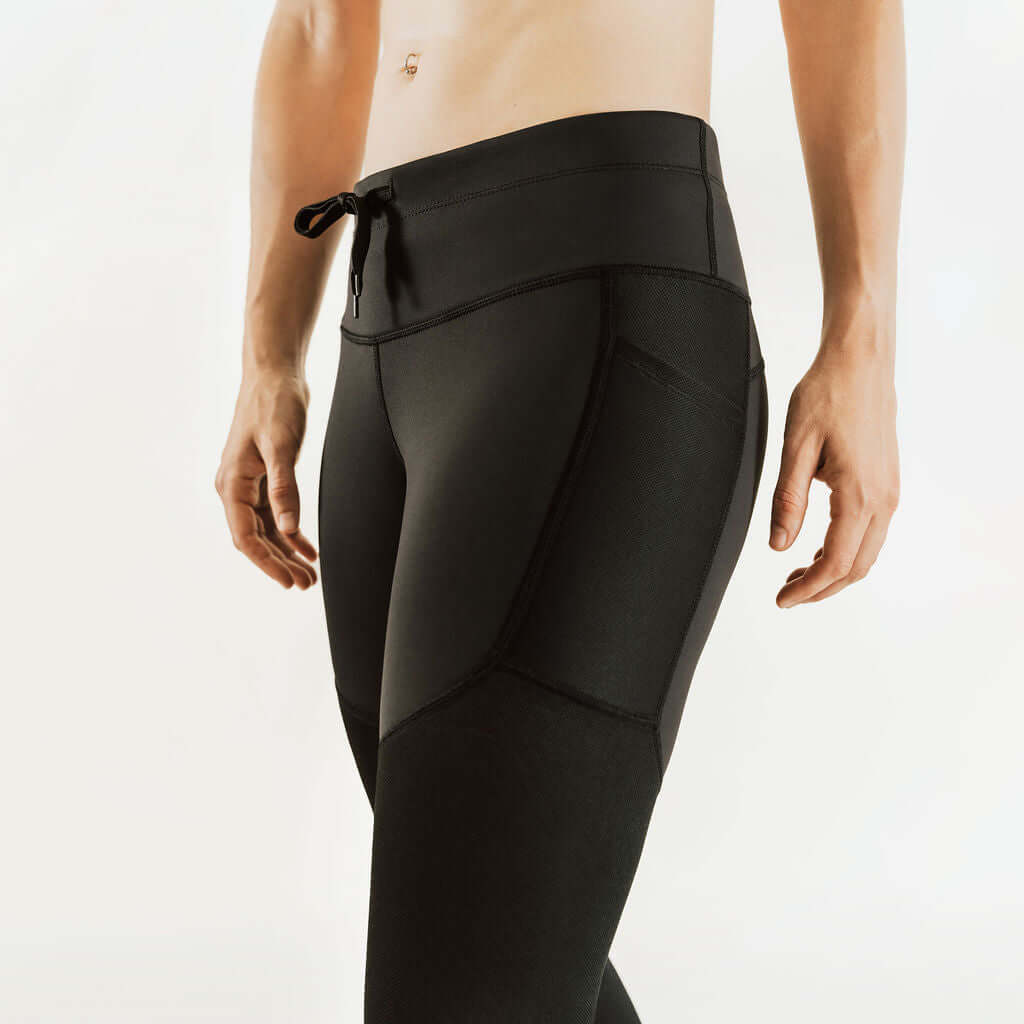
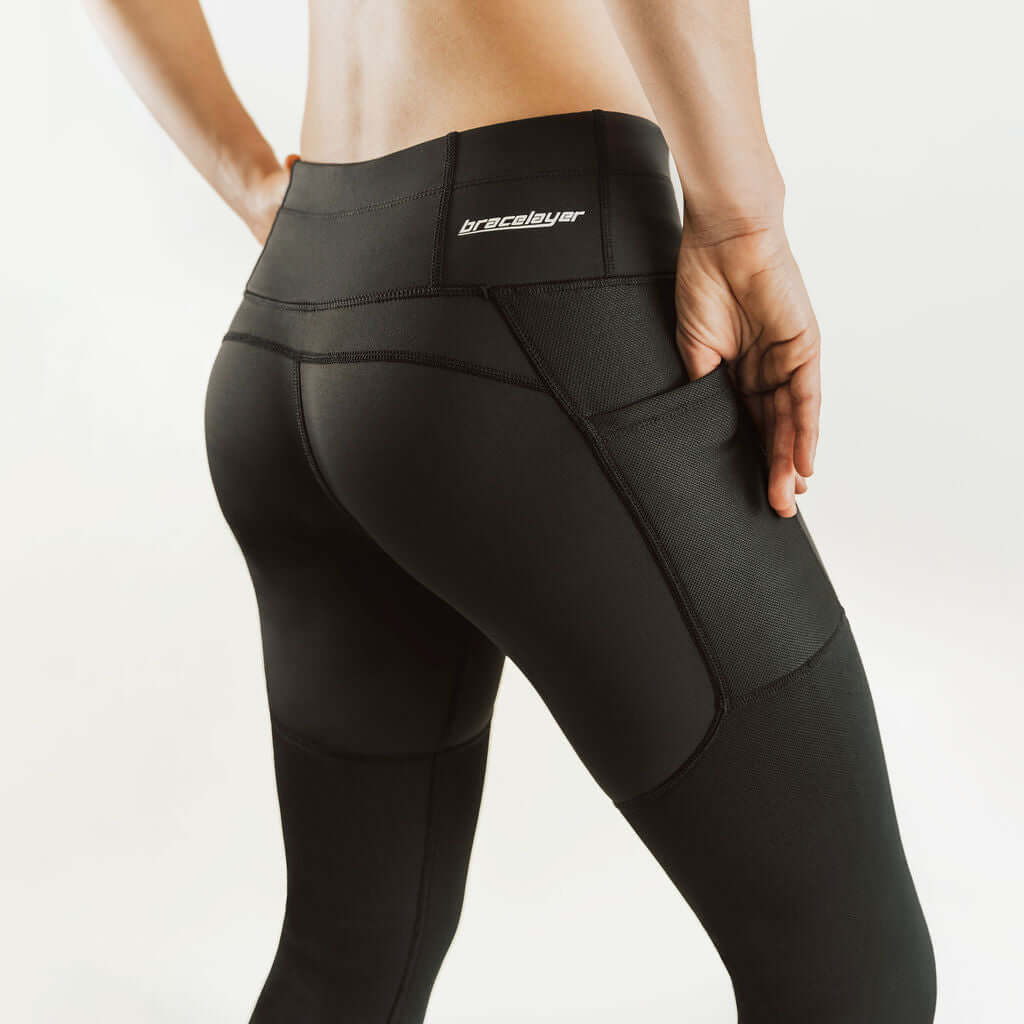
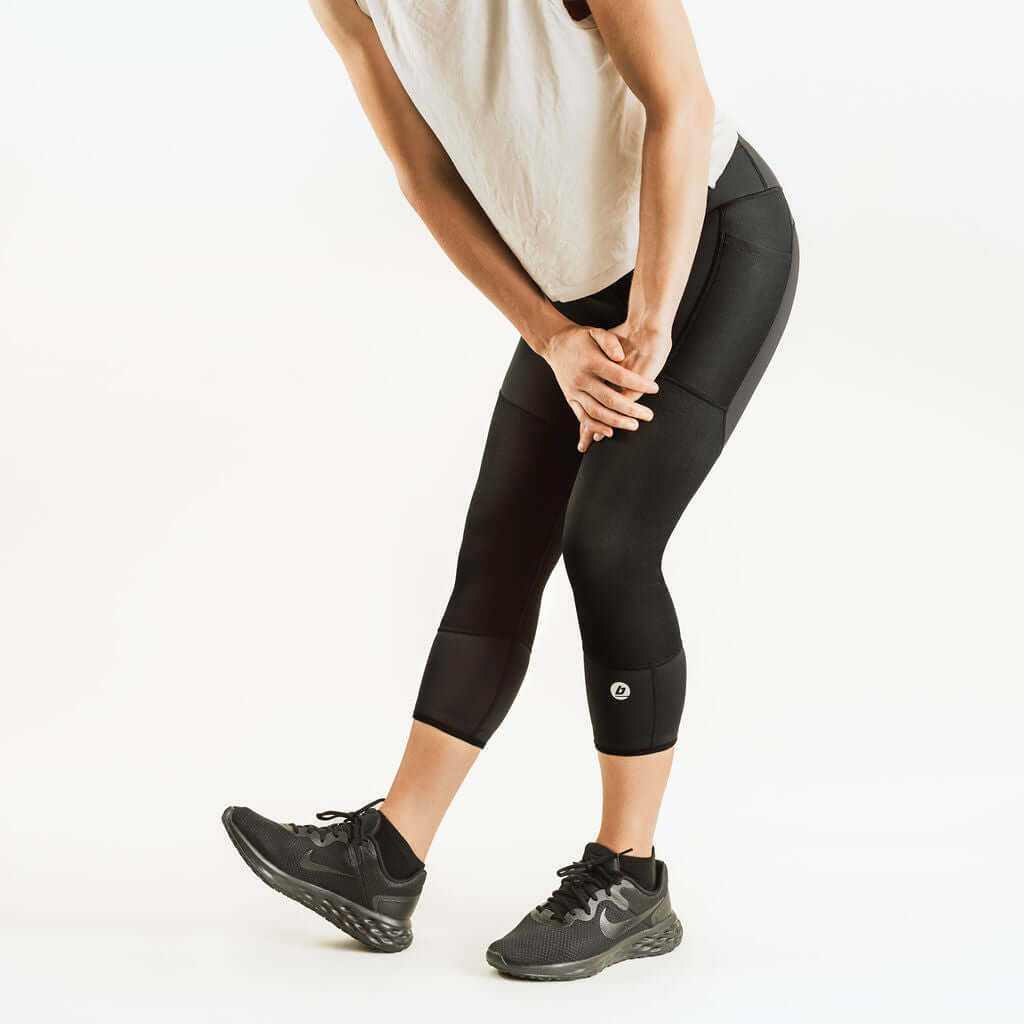
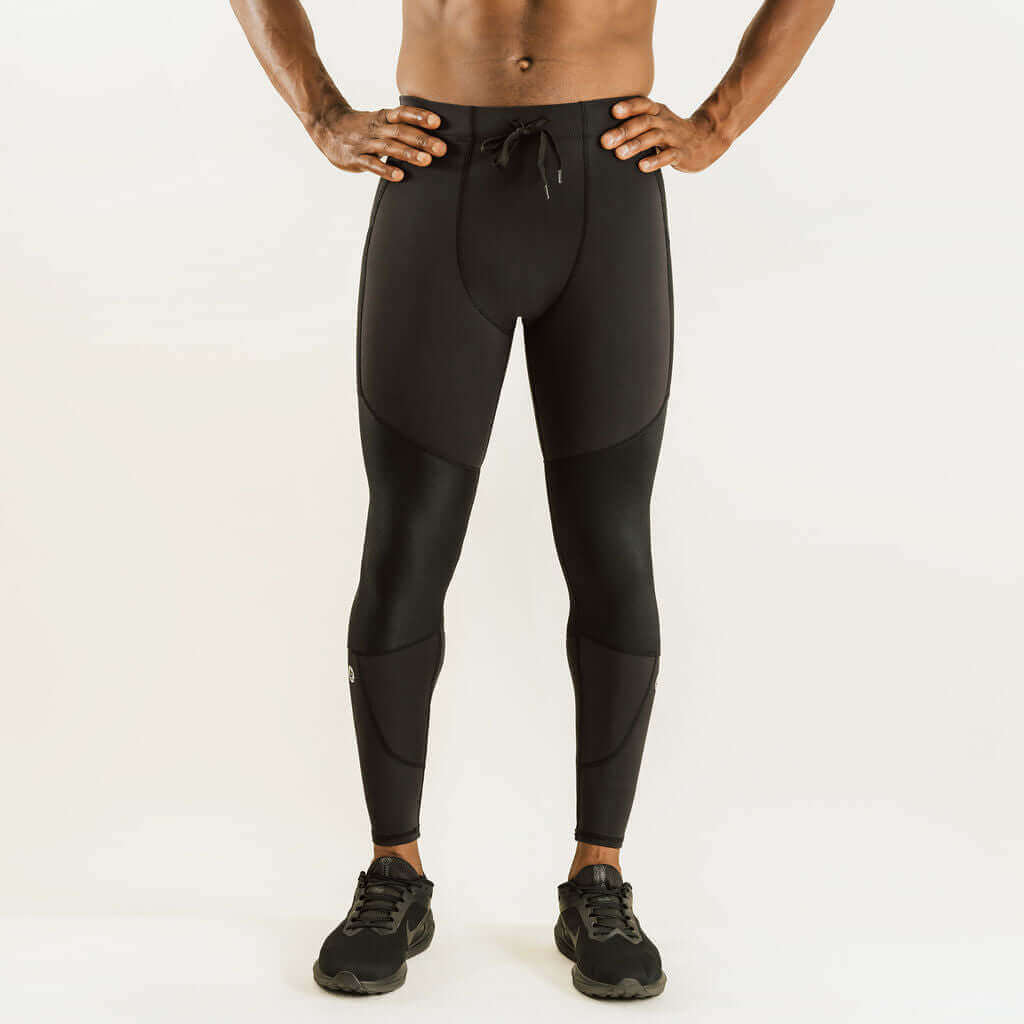
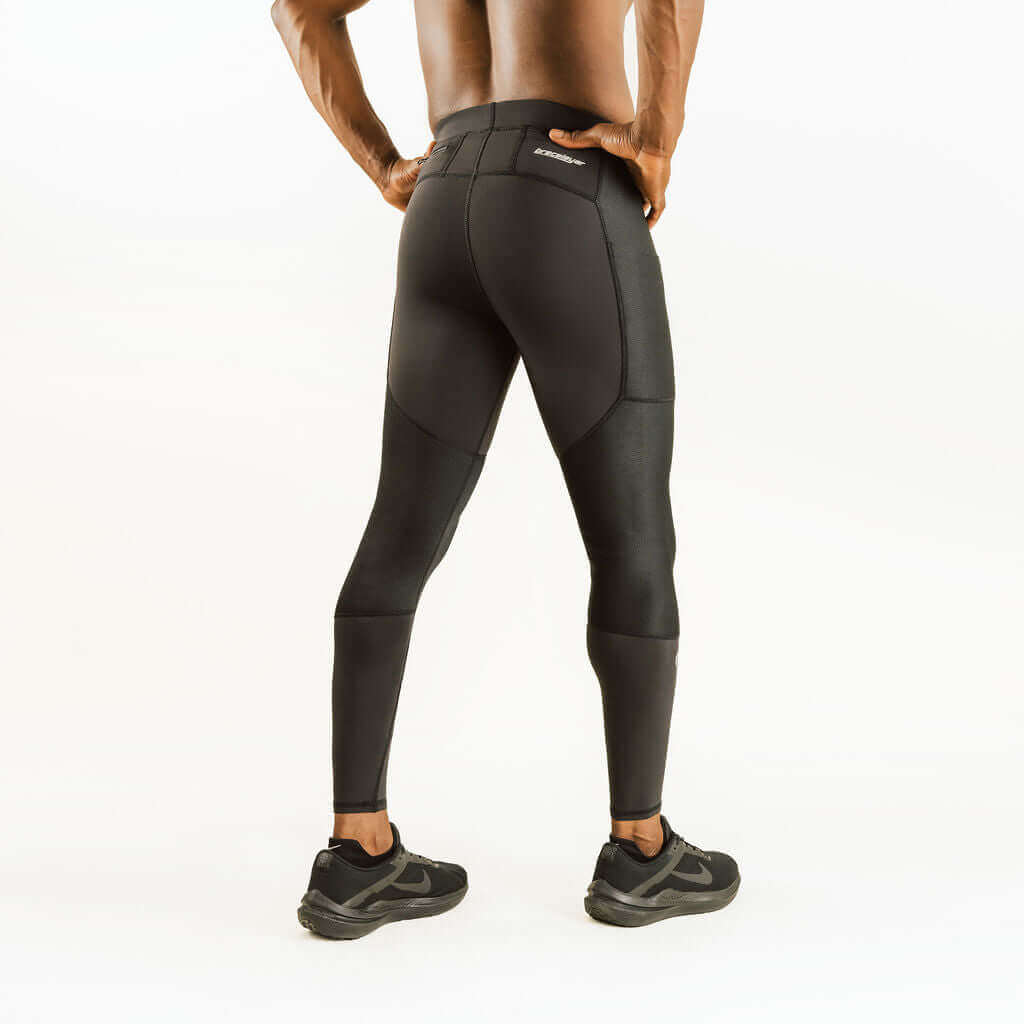
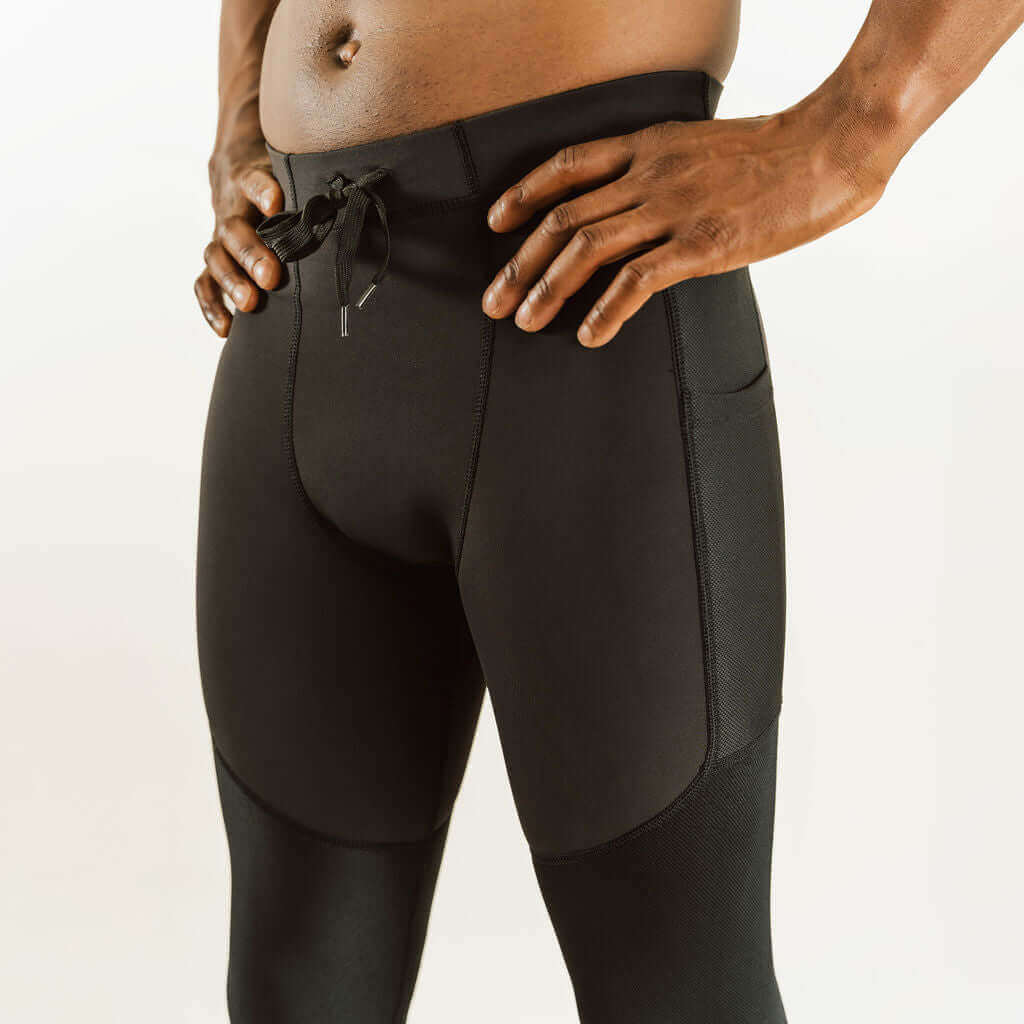
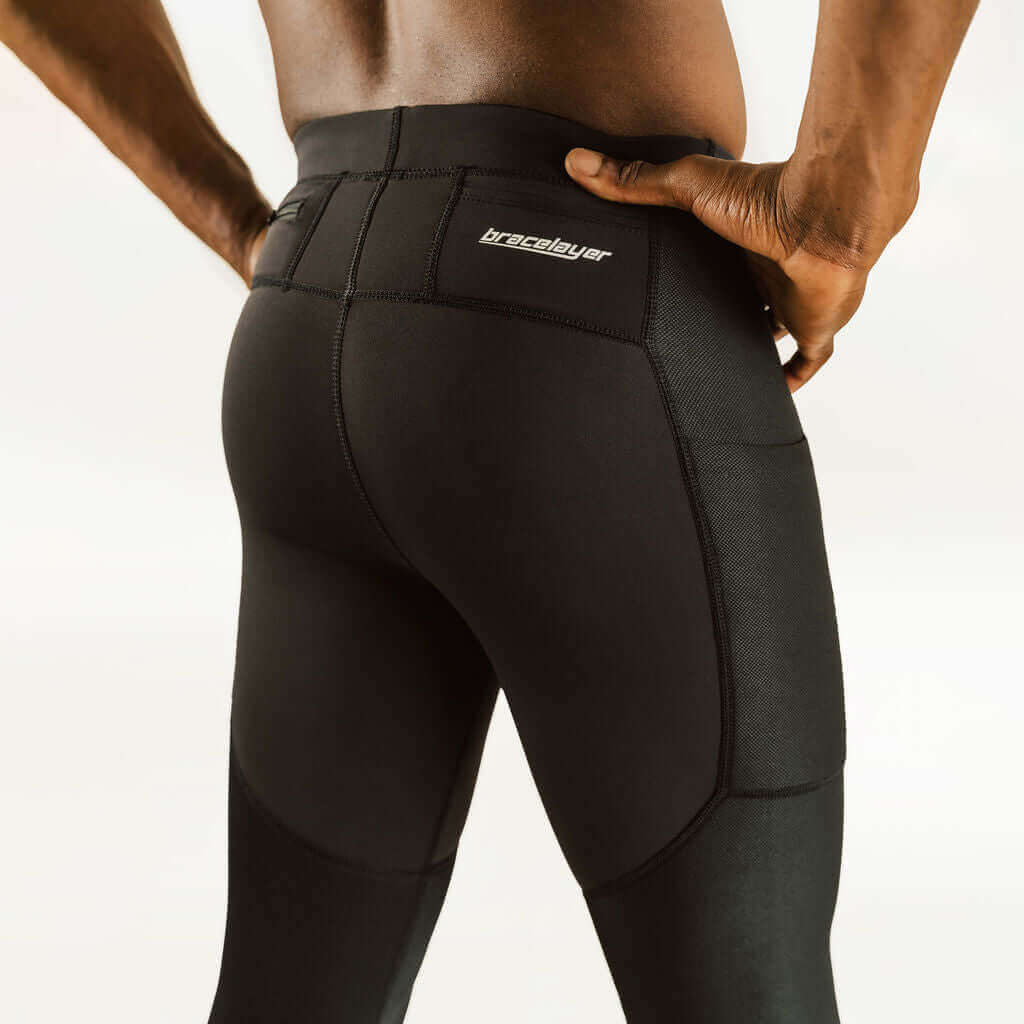
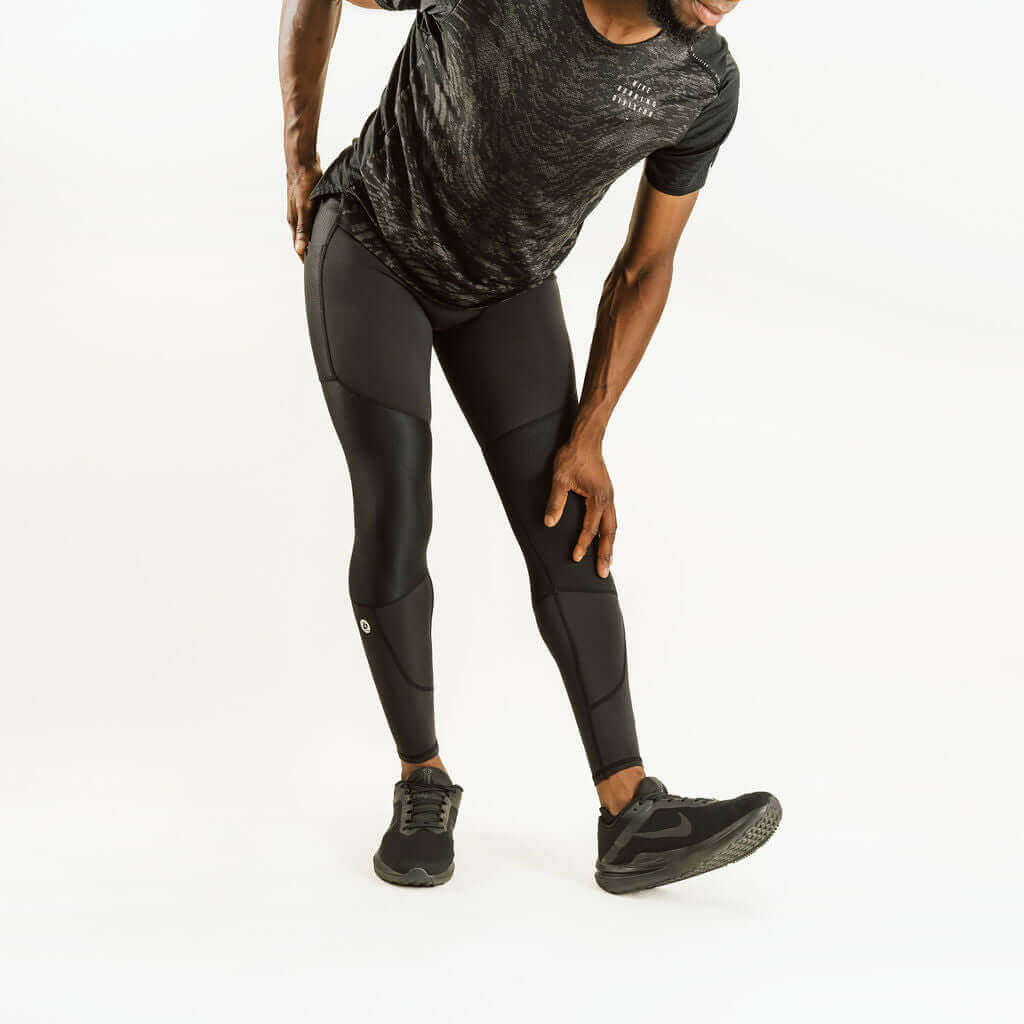
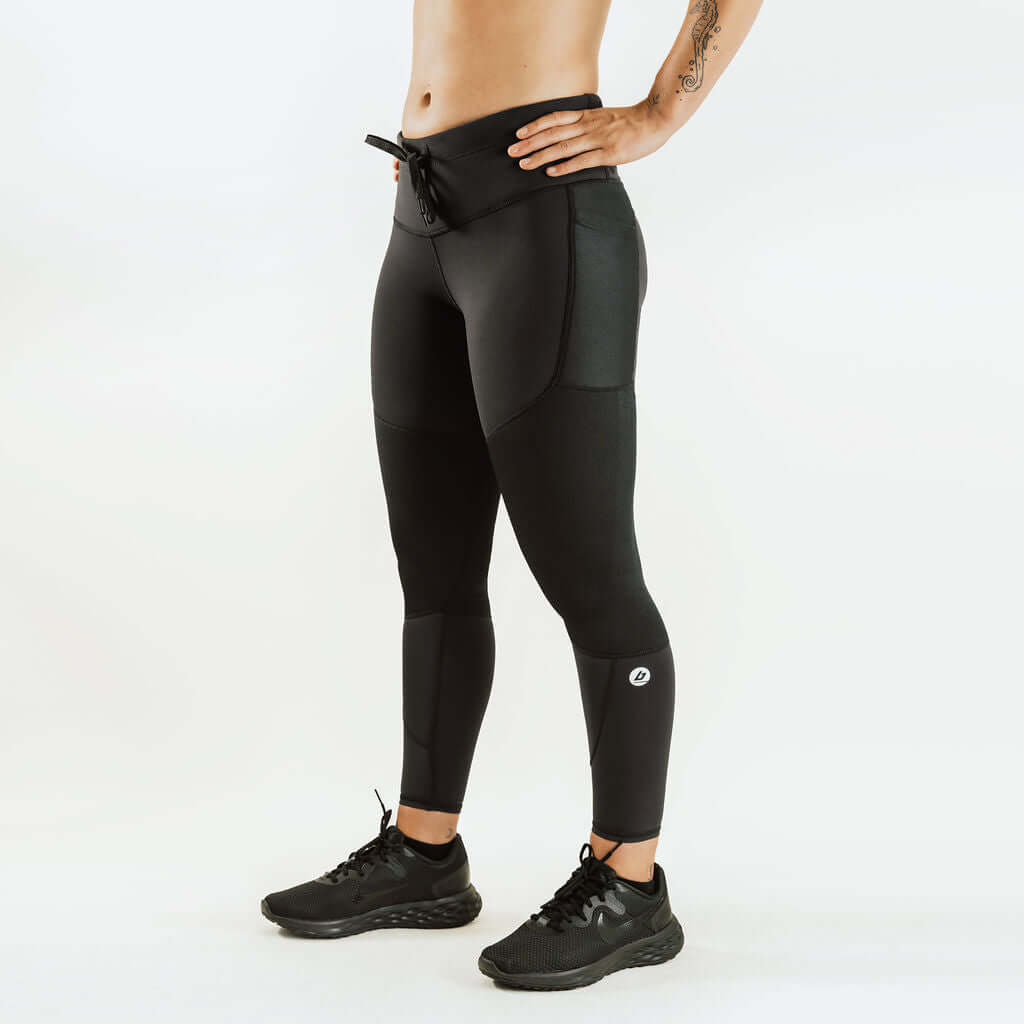
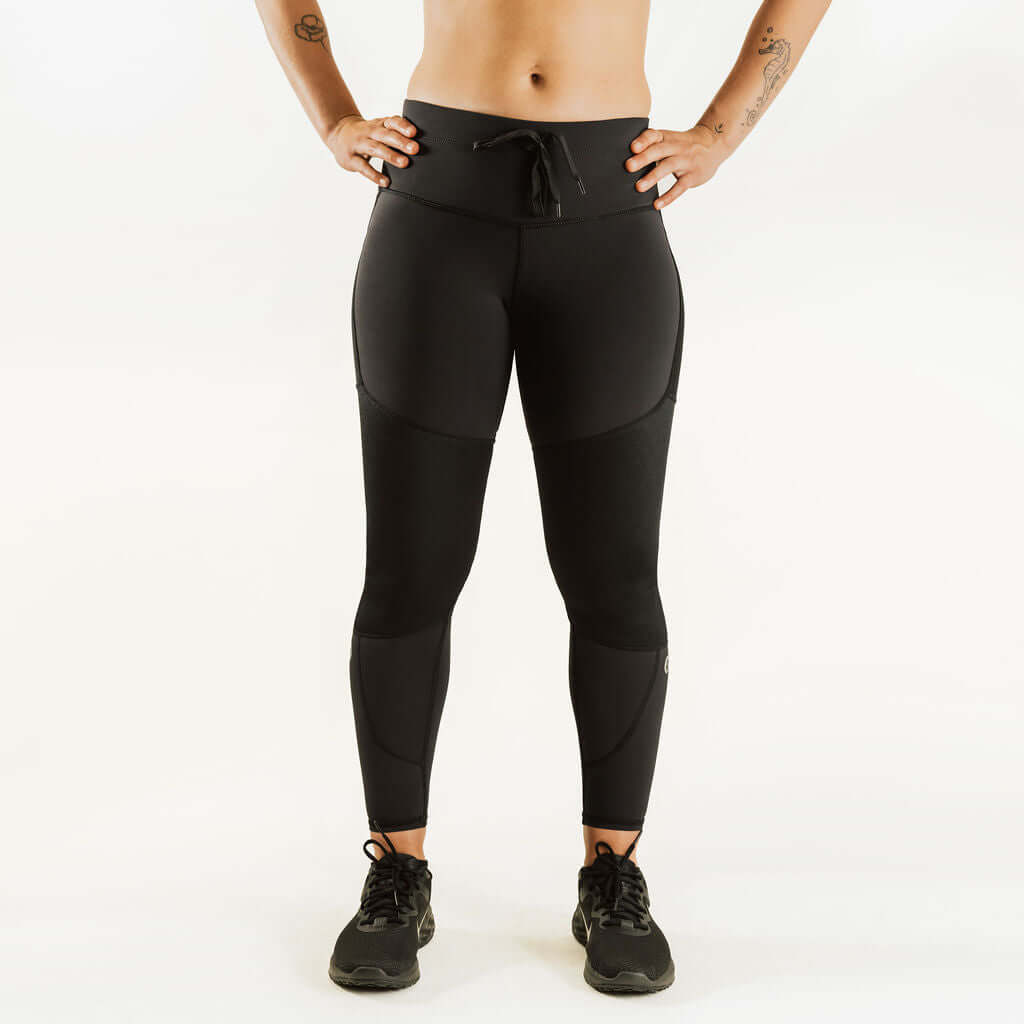
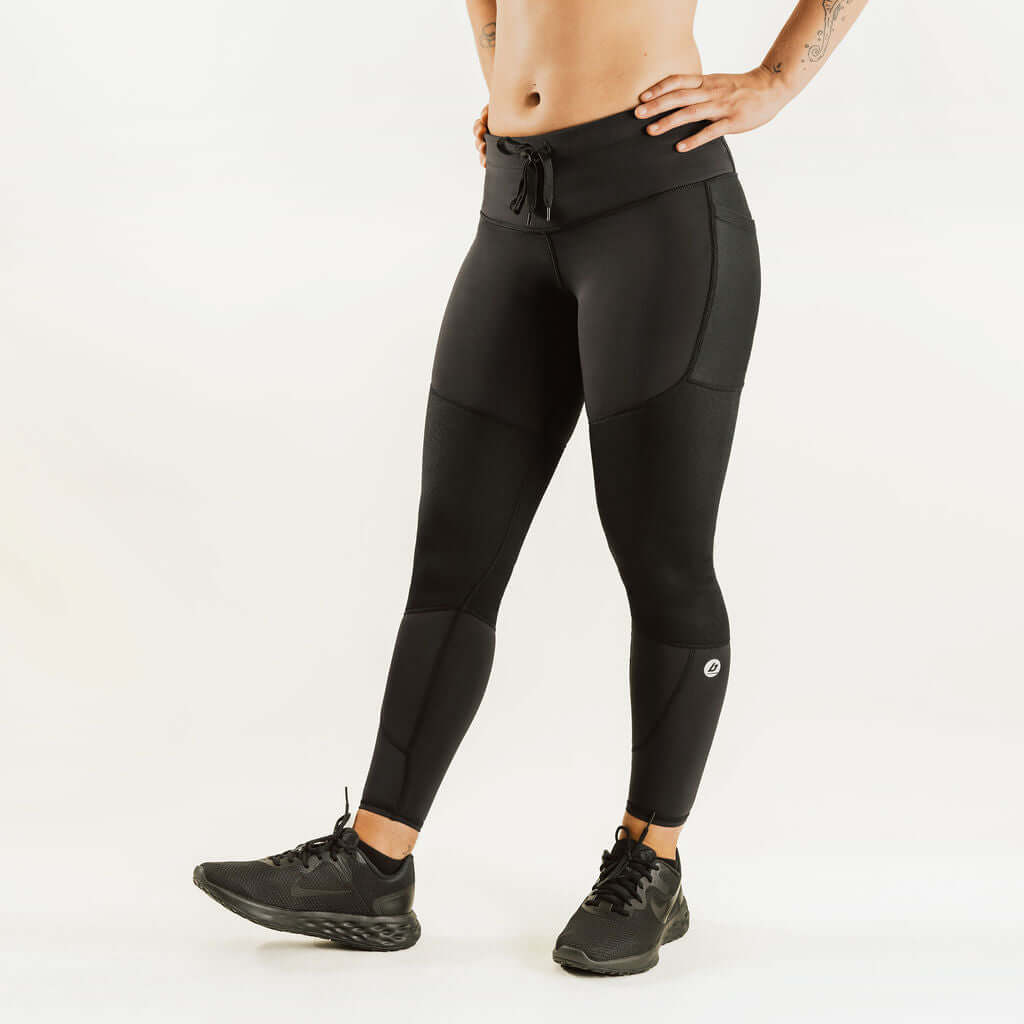
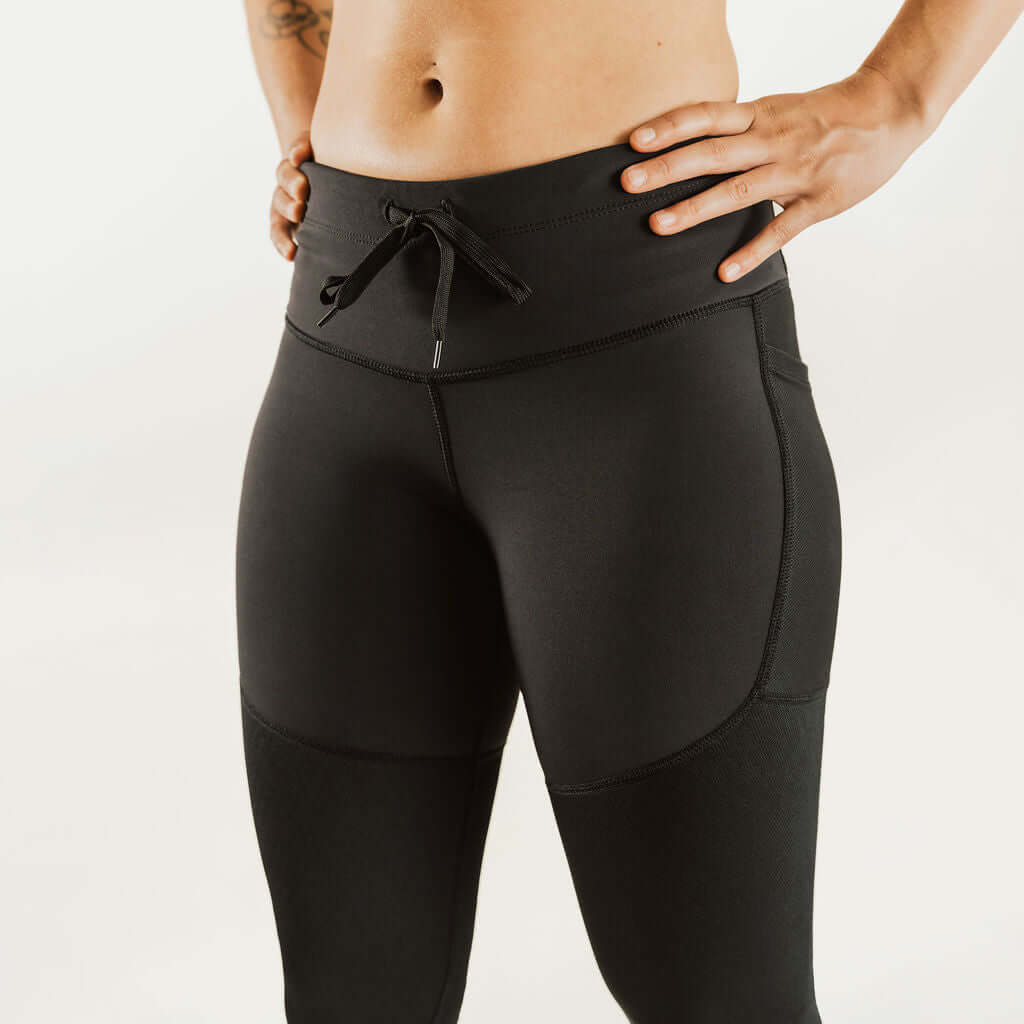
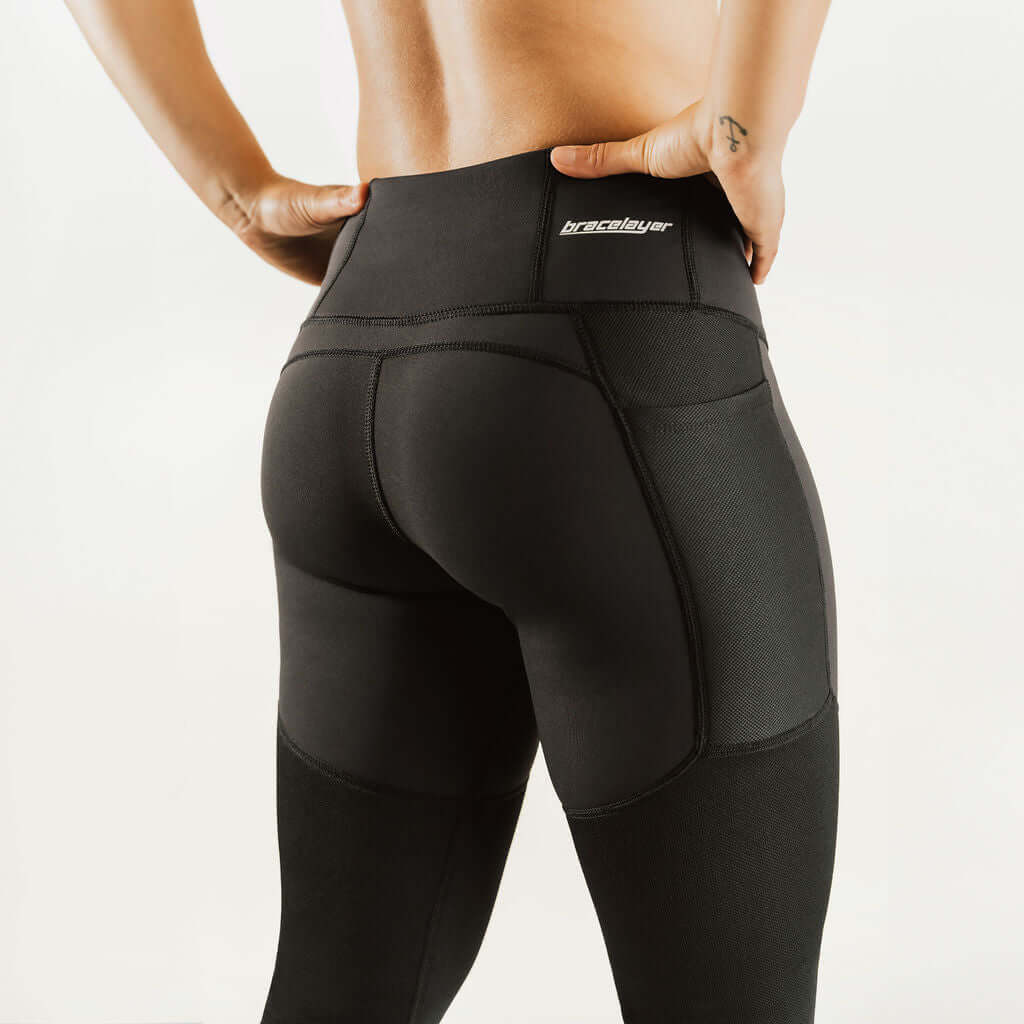
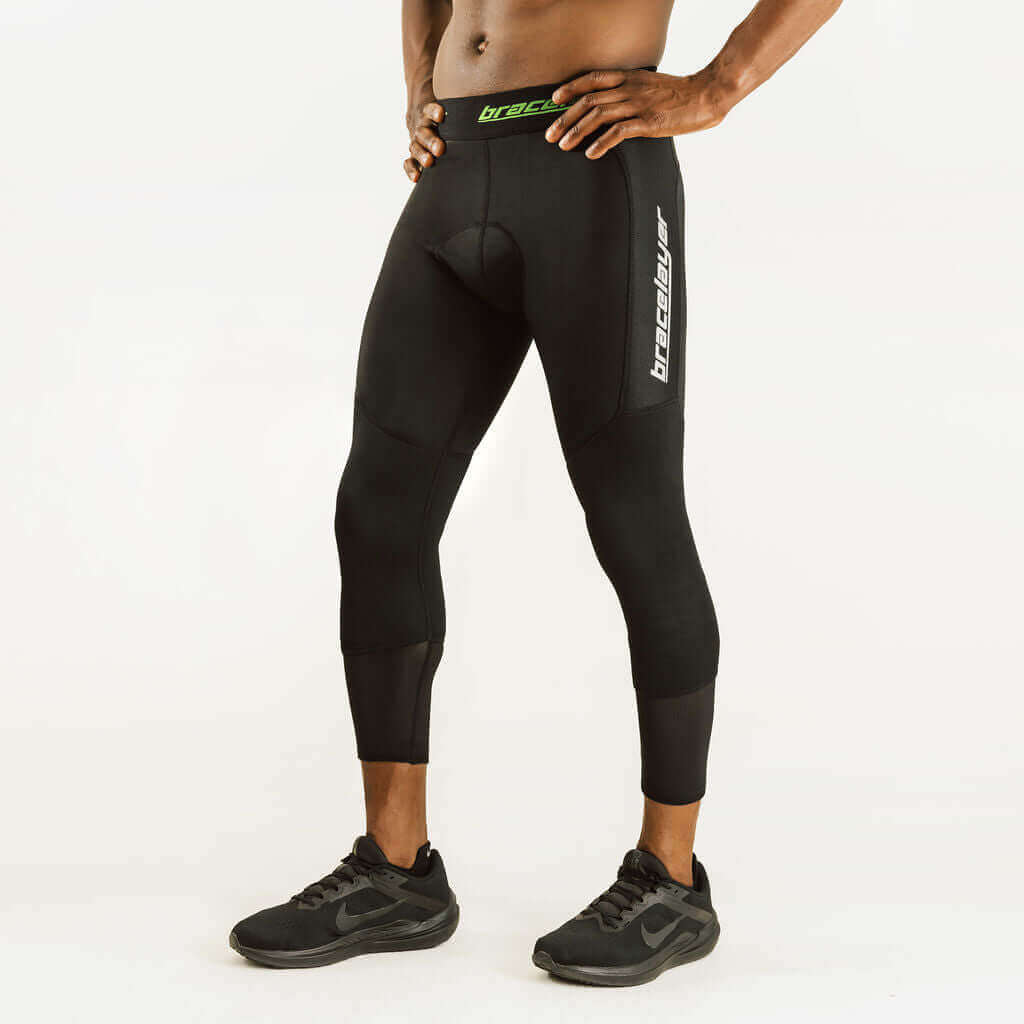
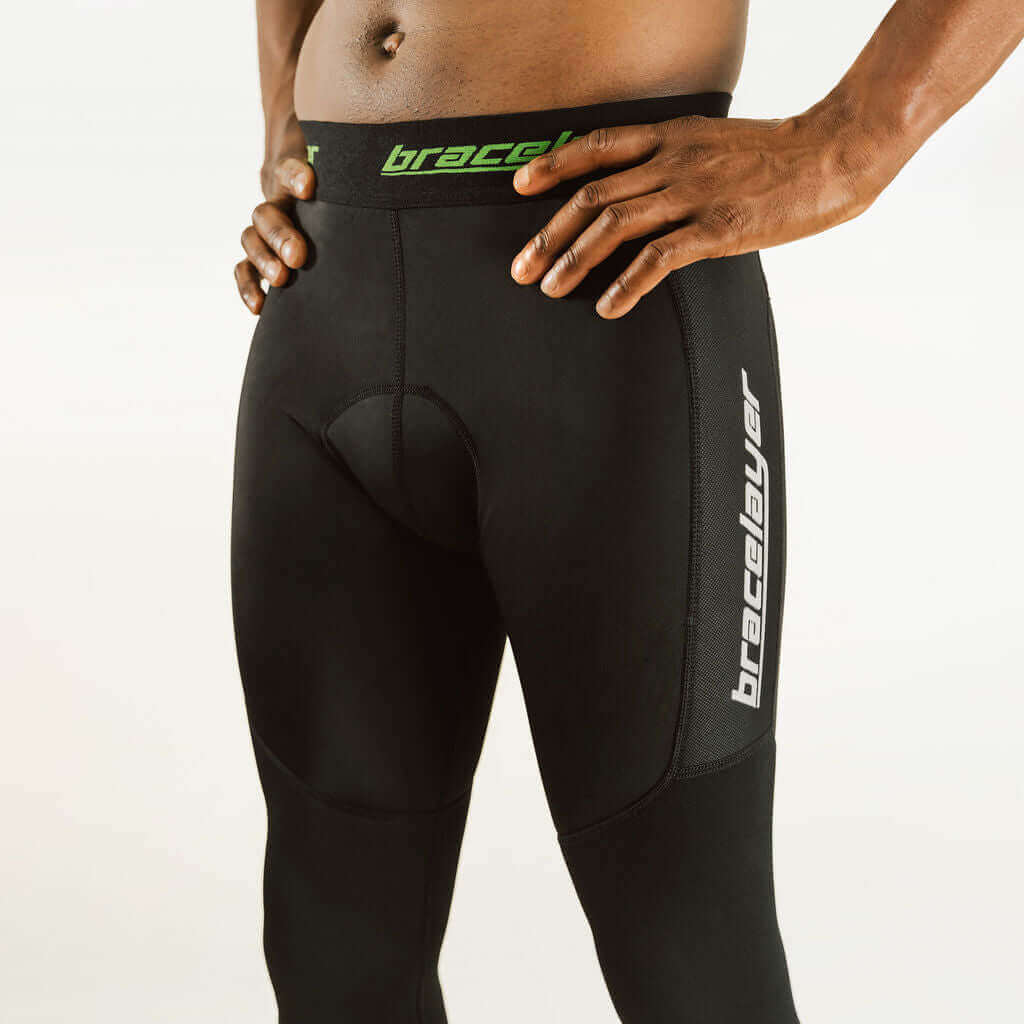
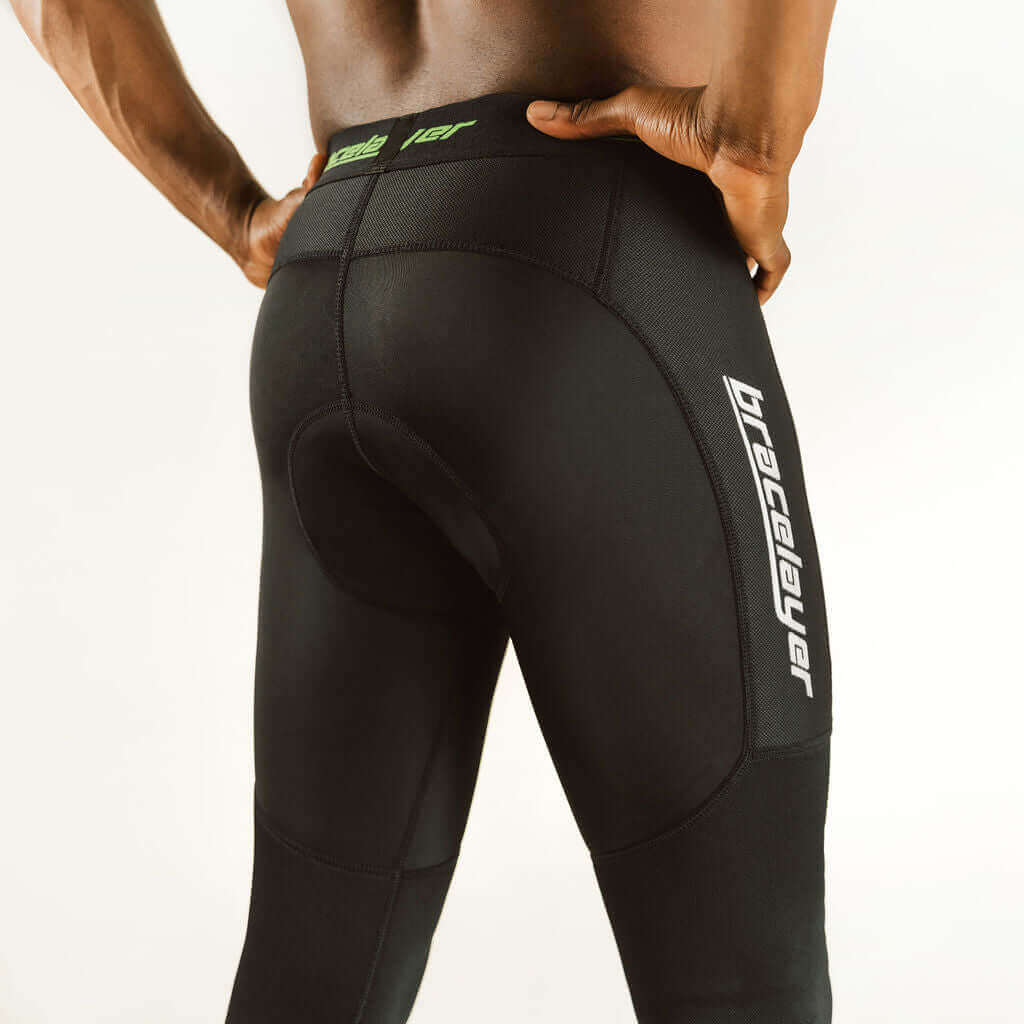
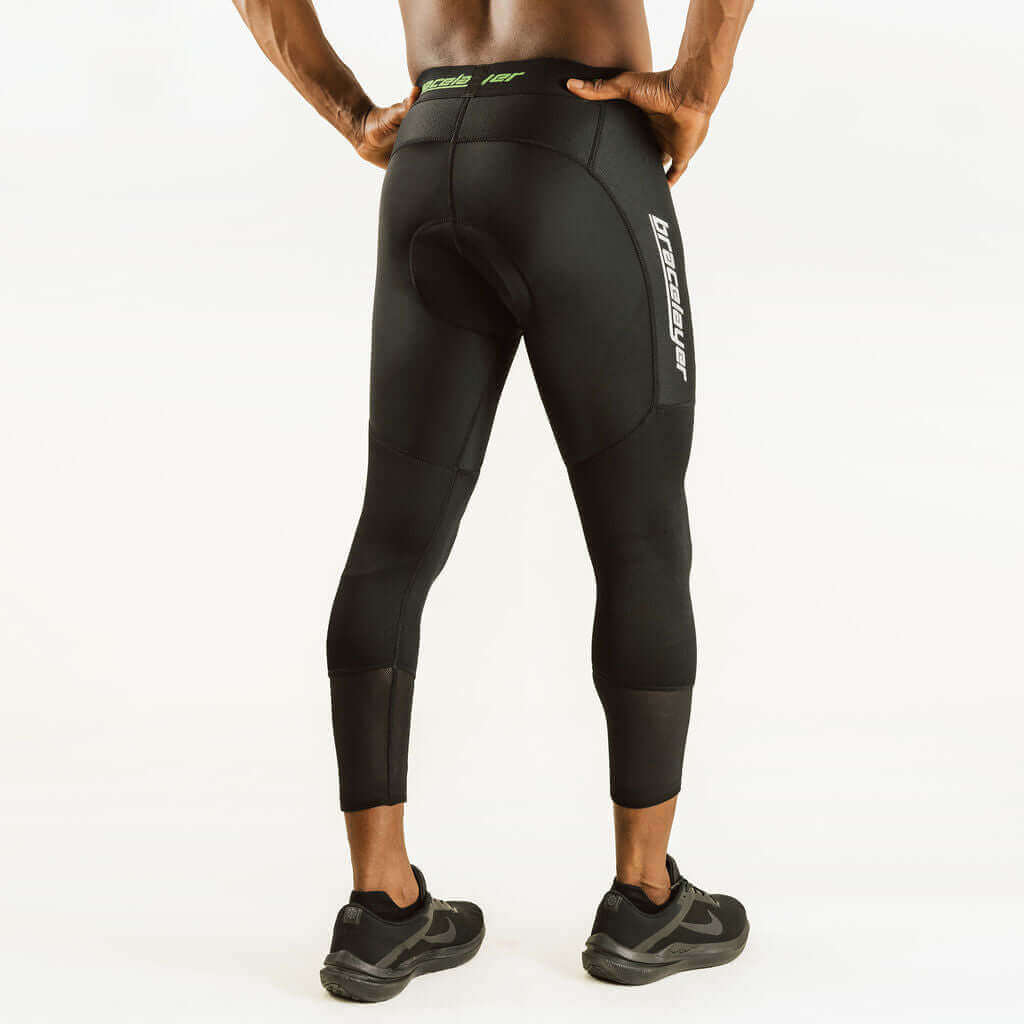
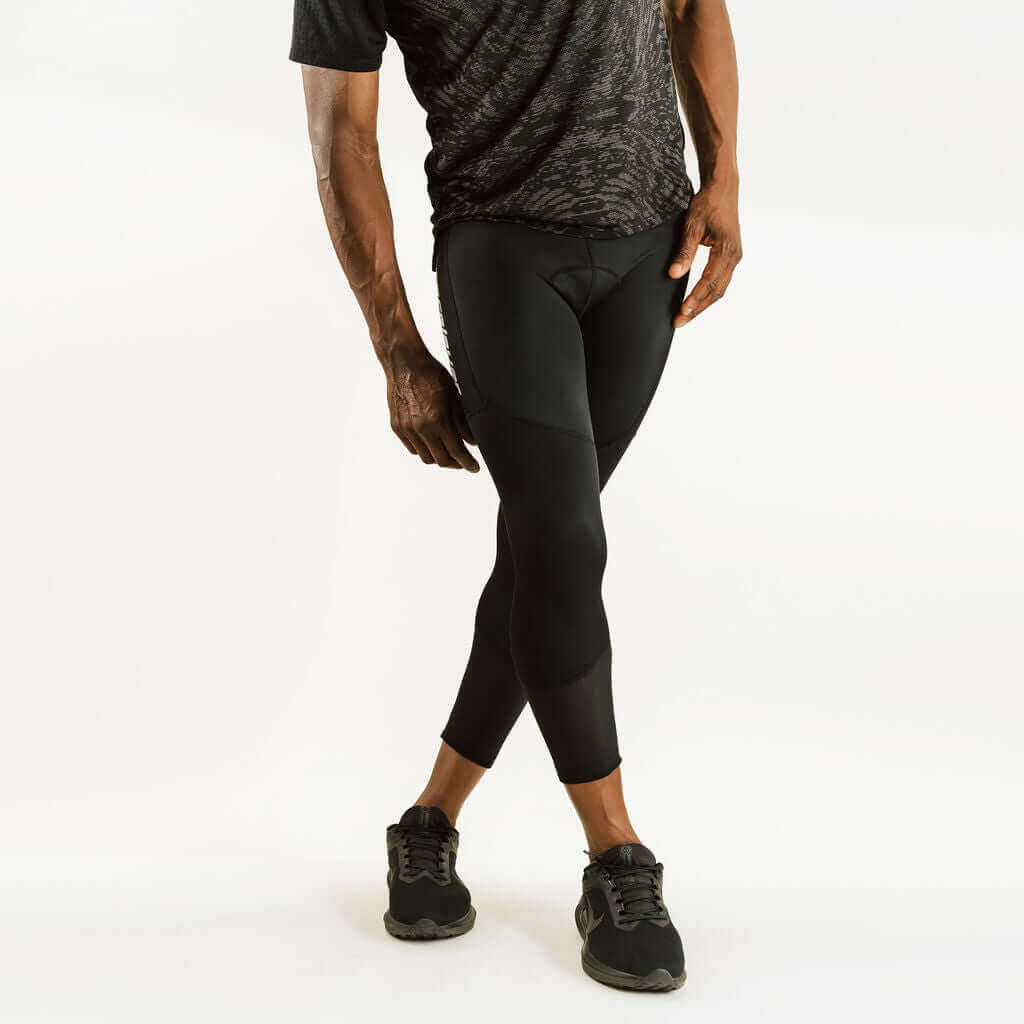
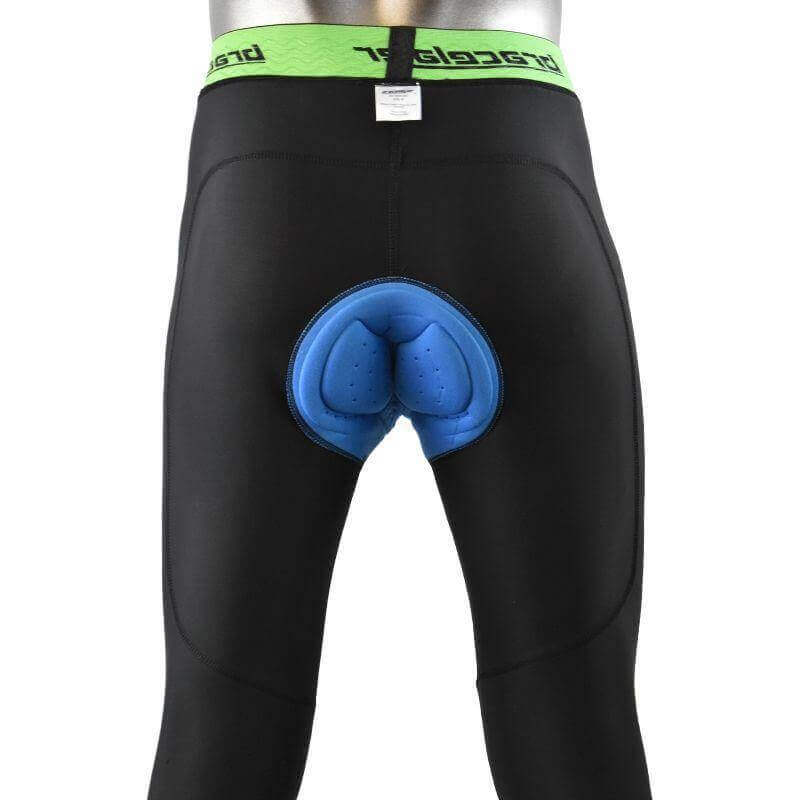
Bracelayer partnered with Canadian Sport Institute Pacific to investigate how its knee-stabilizing compression pants affect movement and performance in Masters-level athletes with a history of knee injury or pain.
In this study of 10 athletes, researchers measured improvements in knee proprioception, single-leg stability, injured-limb force contribution, and perceived knee pain while participants wore Bracelayer. The garment did not reduce jump height, power, or landing performance in the tests conducted.
Explore the key findings at a glance, followed by the complete research paper, including the study methods, results, figures, and references.
Key Findings at a Glance
In this study of 10 Masters-level athletes with a history of knee injury or pain, researchers compared performance while wearing Bracelayer with performance in regular athletic shorts.
~50%
Less joint position error
Knee proprioception improved: 4.3° of error with Bracelayer versus 8.4° in the control condition.
Improved single-leg stability
The injured limb showed less movement variability during the balance test.
Lower perceived knee pain
Participants reported lower pain scores while wearing Bracelayer (1.29 versus 2.20 in control).
Athletic performance maintained
No differences were found in jump height, power, or landing performance in the tests conducted; injured-limb force contribution increased.
These findings describe the participants and measures in this study; they do not establish injury prevention or treatment outcomes.
Full research paper
Study conducted with Canadian Sport Institute Pacific and the University of Victoria
The effect of a knee sleeve and compression garment on dynamic performance and knee pain in Masters athletes with a history of knee pathology
Mary Claire Geneau1,2, Luke Spagnuolo1,2, Dan Geneau1,2, Marc Klimstra1,2
1 University of Victoria, Victoria, BC, Canada
2 Canadian Sport Institute – Pacific, Victoria, BC, Canada
What do we know about knee sleeves and compression garments?
Knee sleeves and compression garments are frequently worn to support movement, improve comfort, and increase stability during sport and activity. Research shows that lower-body compression can reduce muscle oscillation, improve circulation, and increase mechanical efficiency during dynamic tasks such as running, jumping, and cycling. Research also supports the use of knee sleeves in clinical and athletic populations with a history of knee injury or instability, particularly in activities with high-intensity demands.
The compression, tactile feedback, joint support and warmth that knee sleeves provide, make them an effective aid for those with knee pain and/or injury. There is substantial evidence supporting the effectiveness of knee sleeves in improving joint position sense in individuals with knee pathology (Ghai et al., 2016; Dzidotor et al., 2024). Furthermore, knee sleeves have been effective in reducing knee pain (Mohd Sharif et al., 2019) and increasing balance in those with prior knee injury (Chuang et al., 2007) while being less restrictive than a full knee brace. Overall, knee sleeves are viewed as an effective means of supporting movement and activity in those who suffer from knee pathology.
Compression garments have also been found to be an effective aid in sport and exercise. There is research demonstrating compression garments reduce muscle oscillations (Broatch et al., 2019), suggesting they may help to improve exercise economy and reduce stress on the body. Additionally, compression garments have been found to improve joint proprioception and single leg balance (Hong et al., 2022), which may be particularly important for knee stability and protection against sport-related injury.
This research highlights a potential mechanism through which combined knee-sleeve compression garments may enhance sensory-motor control, performance and perceived pain, which may be particularly relevant for Master athletes with persistent knee pain from past injuries.
The possible benefits of a combined compression and knee sleeve garment for Master athletes with knee pain
Master-level athletes are more represented than ever in today’s sport and recreation landscape. Knee pathology is highly prevalent in aging athletes (Gouttebarge, et al., 2015). Since knee pathology can have a negative impact on sport and exercise participation levels (Cui et al., 2025), and regular physical activity is crucial for physical and mental health and wellbeing, it is valuable to explore approaches that may reduce knee pain and increase dynamic capacity.
Purpose
The purpose of this investigation was to explore the effectiveness of a combined knee-sleeve compression garment (Bracelayer) on:
1) Knee proprioception
2) Single leg balance
3) Landing quality
4) Vertical jump performance
5) Subjective knee pain
We further explored the impact of wearing this garment before and after a fatiguing task.
Methods
Participants
10 Masters-level athletes with chronic knee pain or past injury (Age (years) = 51.0 ± 15.6; Height (cm) = 173.4 ± 12.6; Body Mass (kg) = 75.3 ± 13.51; Males (n) = 6; Females (n) = 4; Meniscal Tear (n) = 6; Other Ligament (n) = 2; Unspecified Arthritic Pain (n) = 2). Each participant was fit to a KX2 Bracelayer (Bracelayer, Victoria, Canada) compression garment on the first visit. These were fit based on manufacturer recommendations, comfort, and compression level. Compression was measured using a medical-grade compression sensor device (Kikuhime, ZiboCare Denmark).
Testing Sessions
Participants attended two testing sessions 2-7 days apart. In a randomized order, participants were asked to wear a full length Bracelayer garment (Garment) in one of the conditions and regular athlete shorts (Control) in the other condition.
Tests
• Knee Proprioception (i.e., joint position sense): Knee proprioception was assessed using a joint position sense test (Riemann & Lephart, 2002), which involved participants extending and flexing their lower leg through a prescribed range of motion without the ability to visually monitor the movement (i.e., closed eyes), with the goal of moving through the prescribed range of motion without over-extending or flexing the knee joint (Fridén et al., 2001). The leg was then returned to the initial position (90°) and following a 5 second interval, participants attempted to reposition the leg to the same joint angle (120°). Knee joint angle was measured using the goniometer to the closest ± 0.2°. The absolute difference between knee position and the target position was recorded, where a smaller number represents more accurate joint reposition.
• Single Leg Balance (i.e., stability): On force platforms, participants were instructed to keep their hands on their hips, lift one leg off the ground, and close their eyes and try to balance for as long as possible. The timer was started at the time of eyes being closed and ended either at 60 seconds or when the participant opened their eyes, touched the ground with their raised foot, or removed their hands from their hips. This was then repeated on the other leg. The 3-second window with the least amount of mediolateral movement was recorded and compared across conditions. Lower movement variability and shorter time to achieve their lowest movement variability represents a better score on this test.
• Drop and Stick (i.e., landing quality): Participants were instructed to step forward off a 40 cm box and drop down onto force platforms in a partial squat. They were asked to land softly, yet to reach the position and hold for 5 seconds. This was repeated 3 times. Time to stabilization - calculated as time from touch down (force > 10 N) to the stabilization of body weight (within 95% of recorded body weight) for >0.5 seconds – was used to measure performance on this test. A lower time represents a better landing ability.
• Countermovement Jump: On force platforms, participants completed 3 maximal CMJs. For this test, participants held a dowel snug on their shoulders, dipped down to a self-selected depth, and jumped as high as they could. The mean values of the 3 jumps were used for analysis. Performance on the CMJ was characterised by 5 metrics: Jump height (calculated using the impulse momentum method), peak power, jump time, and left and right mean concentric force.
• Subjective Knee Pain: Upon arrival, and after each of the tasks, participants were asked to rank their pain in their injured and non-injured limb from 0-10 – 0 being no pain; 10 being the worst pain. Pain scores in the injured and non-injured limb were averages across all exercises in the fatigued and nonfatigued conditions. A lower pain score was considered a better score in this analysis.
Fatiguing Protocol
• To induce an acute lower body fatigue, participants completed a hex bar squat with a load of 50% body mass for 30 repetitions at the pace of 1 rep every 2 seconds.
• All of the above-mentioned tests were performed a second time immediately after the fatiguing protocol (i.e., post or fatigued condition).

Study timeline: Schematic of the testing timeline completed in each of the two testing sessions.
Statistical Analysis: A 2-way repeated measures analysis of variance was performed on each of the 4 tests and their outcome metrics on the injured and non-injured limbs. Level of significance was set to p < 0.05 and post hoc pairwise t-tests were performed when there was a main effect observed in the initial analysis.
Results
Knee Proprioception
• Participants demonstrated less knee joint position sense error when wearing Bracelayer (4.3°) versus control (8.4°) in both pre- and post-fatigue states (t = 3.98; p < 0.001).
• Better proprioception in the injured knee can indicate more protection against re-injury (Zazulak, 2007).

Figure 1 Box and whisker plot visualizing the differences in joint position error of the flexion proprioception task on the injured limb in the garment and control conditions.
Single Leg Balance
• Stability over a 1-second window was greater (movement was less variable) in the injured limb when wearing the garment (189 ± 302 mm2) versus control (438 ± 427 mm2) (t = 3.83; p = 0.004).
• Stability is often compromised after knee injury (Lehmann et al., 2017) and may be related to reinjury (Dingenen et al., 2016).
• Better single leg stability in the injured limb when wearing the Bracelayer garment may help to protect against re-injury.

Figure 2 Box and whisker plot visualizing the differences in (a) best 1-second window of stability and (b) the time to stability.
Landing Quality
• No differences were found in time-to-stabilization between garment and control conditions.
Jump Force Production
• Injured-limb relative force was greater when wearing Bracelayer (0.98 ± 0.19 N/N) vs. control (0.94 ± 0.18 N/N), which was maintained after fatigue (F = 10.3; p = 0.013).
• There was no difference in jump height or power between conditions, suggesting there were no functional restrictions when wearing the garment.
• Increased force production in an injured limb can promote more symmetrical movement patterning which is important for long term health, performance and risk of re-injury (Fousekis et al., 2010).

Figure 3 Box and whisker plot visualizing the differences in relative force production of the injured limb during the garment pre and post the fatiguing protocol.
Subjective Knee Pain
• Participants reported significantly lower knee pain when wearing Bracelayer (1.29 ± 0.97 au) vs. control (2.20 ± 1.16 au) t = 3.16; p = 0.005.
• Reduced pain during exercise may increase participation rates and enjoyment of exercise.

Figure 4 Box and whisker plot visualizing the differences in self-reported pain in the injured knee during the garment and control conditions pre and post the fatiguing protocol.
Summary of Key Findings
• Knee proprioception was significantly better when wearing Bracelayer, with joint position error reduced by ~50% compared to control conditions.
• Single-leg balance and stability were better in the injured limb when wearing Bracelayer, with movement variability over a 1-second window being less than in the control condition.
• Relative force production of the injured limb during jumping was greater when wearing Bracelayer. This greater force production was maintained even after a fatiguing task.
• Participants reported significantly lower knee pain while wearing the Bracelayer garment.
• There were no differences in jump height, power, or landing performance, indicating the garment did not restrict natural or maximal movement.
Overall, wearing the Bracelayer garment resulted in measurable improvements in knee proprioception, balance, injured-limb force contribution, and perceived pain in Masters athletes with knee pathology. These findings are consistent with other literature evaluating the effectiveness of knee sleeves and compression garments independently and support the use of this garment for Master-level athletes with knee pathology.
Practical Applications & Meaning
The benefits of the Bracelayer garment, such as enhanced stability, greater force production, and reduced pain, may help Master‑level athletes with knee pain continue to participate in regular physical activity.
Overall, wearing Bracelayer may help:
• Improve training quality by improving stability and increasing force production in the injured limb.
• Increase confidence during training and daily activity by reducing knee pain and enhancing knee proprioception.
• Maintain natural movement and performance by not interfering with dynamic tasks such as jumping.
• Provide knee support in activities with high single leg stability and movement demands.
References
Ageberg, E., Roberts, D., Holmström, E., & Fridén, T. (2005). Balance in single-limb stance in patients with anterior cruciate ligament injury: relation to knee laxity, proprioception, muscle strength, and subjective function. The American Journal of Sports Medicine, 33(10), 1527-1537.
Chuang, S. H., Huang, M. H., Chen, T. W., Weng, M. C., Liu, C. W., & Chen, C. H. (2007). Effect of knee sleeve on static and dynamic balance in patients with knee osteoarthritis. The Kaohsiung Journal of Medical Sciences, 23(8), 405-411.
Cui, X., Xie, F., Cui, J., Tian, Y., Bai, X., Guo, L., ... & Yao, F. (2025). Association between physical activity and knee osteoarthritis: a comprehensive systematic review and meta-analysis. Journal of Global Health, 15, 04173.
Dingenen, B., Malfait, B., Nijs, S., Peers, K. H., Vereecken, S., Verschueren, S., ... & Staes, F. F. (2016). Postural stability during single-leg stance: A preliminary evaluation of noncontact lower extremity injury risk. Journal of Orthopaedic and Sports Physical Therapy, 46(8), 650-657.
Fousekis, K., Tsepis, E., & Vagenas, G. (2010). Lower limb strength in professional soccer players: profile, asymmetry, and training age. Journal of Sports Science and Medicine, 9(3), 364.
Galloway, M. T., & Jokl, P. (2000). Aging successfully: the importance of physical activity in maintaining health and function. Journal of the American Academy of Orthopaedic Surgeons, 8(1), 37-44.
Ghai, S., Nilson, F., Gustavsson, J., & Ghai, I. (2024). Influence of compression garments on proprioception: A systematic review and meta‐analysis. Annals of the New York Academy of Sciences, 1536(1), 60-81.
Gouttebarge, V., Inklaar, H., Backx, F., & Kerkhoffs, G. (2015). Prevalence of osteoarthritis in former elite athletes: a systematic overview of the recent literature. Rheumatology International, 35(3), 405-418.
Hong, W. H., Lo, S. F., Wu, H. C., & Chiu, M. C. (2022). Effects of compression garment on muscular efficacy, proprioception, and recovery after exercise-induced muscle fatigue onset for people who exercise regularly. PlosOne, 17(2), e0264569.
Lehmann, T., Paschen, L., & Baumeister, J. (2017). Single-leg assessment of postural stability after anterior cruciate ligament injury: a systematic review and meta-analysis. Sports Medicine-Open, 3(1), 32.
Mohd Sharif, N. A., Usman, J., Wan Safwani, W. K. Z., Siew Li, G., Abdul Karim, S., Mohamed, N. A., ... & Khan, S. J. (2019). Effects of simple knee sleeves on pain and knee adduction moment in early unilateral knee osteoarthritis. Proceedings of the Institution of Mechanical Engineers, Part H: Journal of Engineering in Medicine, 233(11), 1132-1140.
Trappe, S. (2001). Master athletes. International Journal of Sport Nutrition and Exercise Metabolism, 11(s1), S196-S207.
Zazulak, B. T., Hewett, T. E., Reeves, N. P., Goldberg, B., & Cholewicki, J. (2007). The effects of core proprioception on knee injury: a prospective biomechanical-epidemiological study. The American Journal of Sports Medicine, 35(3), 368-373.
What This Research Means for Bracelayer
The study provides independent evidence of improvements in several measured aspects of knee stability, proprioception, injured-limb force contribution, and perceived pain among the Masters-level athletes tested. The performance measures assessed were not negatively affected.
These findings help explain how Bracelayer’s built-in knee support performed in the specific movement and pain measures assessed. As with any small study, the findings should be understood in the context of the participants and tests described above.
Download the Full Research Report (PDF) Explore Bracelayer Products